

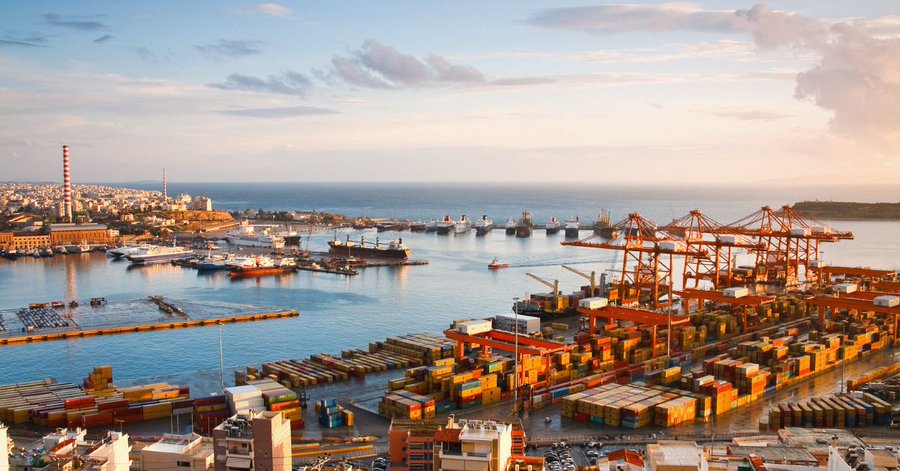
The recent discovery of 38 kilograms of cocaine concealed in a shipping container of bananas at Piraeus Port underscores the continuing vulnerability of global maritime supply chains to organized crime. As one of the busiest ports in the Mediterranean, Piraeus serves as a vital gateway for trade between Europe, Africa, and Asia — and that same connectivity makes it an attractive target for traffickers seeking to exploit the vast flow of legitimate cargo.
This incident is emblematic of a wider trend: the increasing sophistication of drug smuggling networks that infiltrate commercial logistics systems. Concealment within perishable goods, particularly fruit shipments, has become a favored method due to the frequency of such cargoes and the difficulty of inspecting all containers in high-volume ports.
For customs and port authorities, the case reinforces the urgent need for intelligence-driven inspections, interagency cooperation, and enhanced cargo screening technologies. Traditional random checks are no longer sufficient against well-funded trafficking organizations that operate across multiple jurisdictions.
Moreover, the seizure at Piraeus raises questions about supply chain integrity and traceability. From the country of origin to the consignee, every handoff presents an opportunity for tampering. Strengthening port security protocols and sharing real-time data between customs, shipping lines, and terminal operators could prove decisive in curbing illicit activity.
Beyond enforcement, the episode is a stark reminder that the maritime industry sits at the crossroads of global commerce and transnational crime. Addressing this challenge requires a balance between trade facilitation and security, where efficient port operations go hand in hand with rigorous monitoring and compliance systems.
Ultimately, the Piraeus seizure is not an isolated event but part of a growing pattern — one that demands sustained vigilance, regional collaboration, and the integration of technology to protect legitimate trade from criminal exploitation.
Tell us What is Happening in Your Area: Contact Maritime Context at: news@maritimecontext.com
