

NEW DELHI — Prime Minister Narendra Modi has reaffirmed India’s commitment to building a robust blue economy, describing it as “central to India’s growth story” and a key pillar of the country’s ambitions to become a $5 trillion economy.
Modi said India is targeting a $100 billion ocean-based economy, leveraging initiatives like Sagarmala, Maritime India Vision 2030, and the Deep Ocean Mission to unlock new opportunities while ensuring sustainability of marine resources.
“The blue economy is not just about harnessing resources from the sea,” Modi said in his address. “It is about creating sustainable livelihoods, protecting ecosystems, and positioning India as a leading maritime nation.”
Aims and Initiatives
India’s blue economy framework encompasses shipping, fisheries, offshore energy, coastal tourism, seabed mining, and marine biotechnology. The government’s strategy includes:
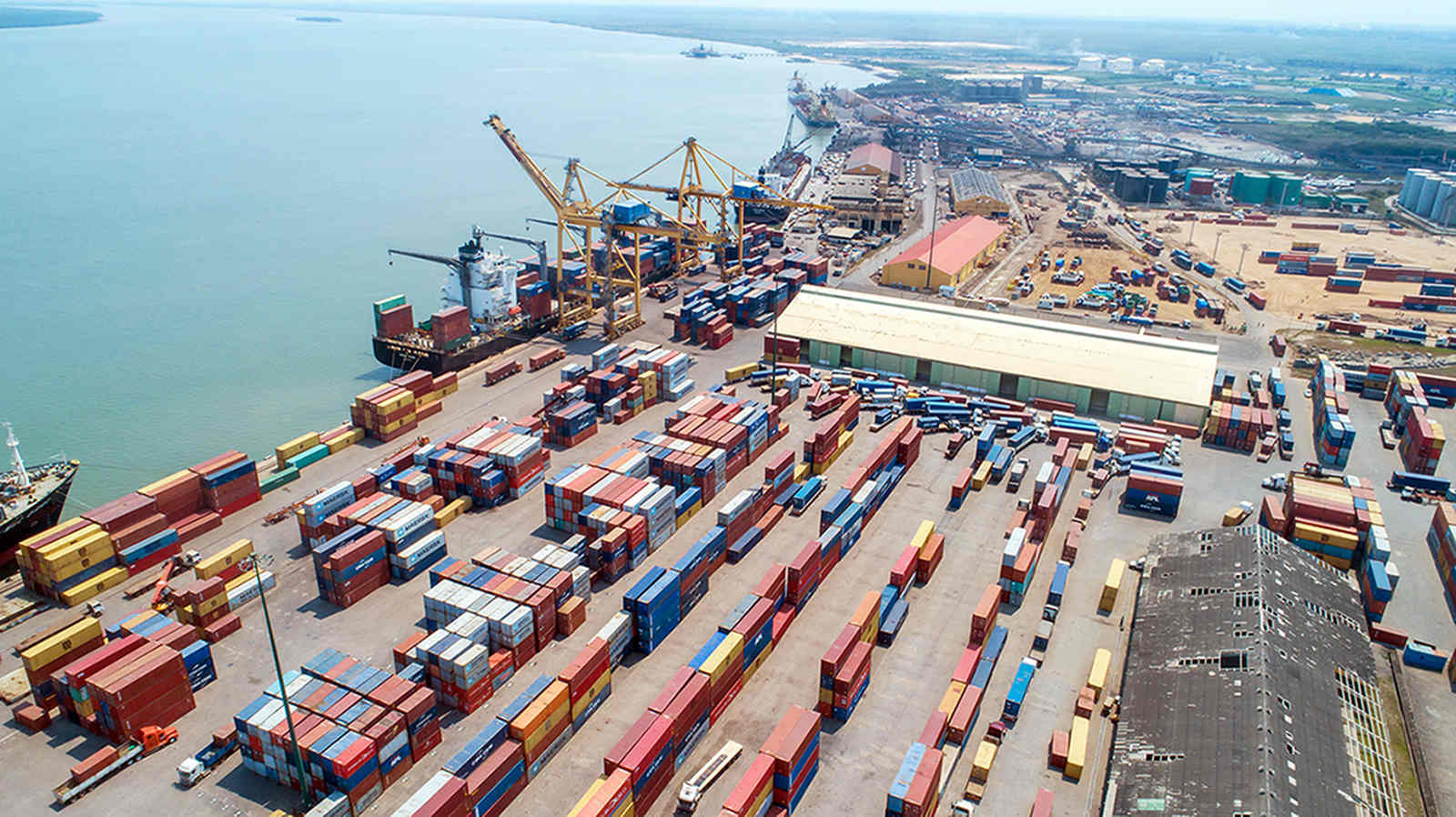
- Sagarmala Programme: Modernising port infrastructure, improving logistics efficiency, and cutting transport costs to make Indian ports globally competitive.
- Deep Ocean Mission: Advancing seabed exploration, deep-sea mining technology, and climate research to tap strategic minerals and boost ocean science capabilities.
- Maritime India Vision 2030: A blueprint to attract over $80 billion in investment into port-led development, shipbuilding, and green shipping corridors.
- Fisheries and Coastal Development: Expanding sustainable aquaculture and empowering coastal communities with infrastructure and market access.
Why It Matters
India’s 7,500-km coastline, 200 major and minor ports, and exclusive economic zone covering 2.37 million sq. km give it a natural maritime advantage. The blue economy contributes nearly 4% of India’s GDP, but policymakers see significant headroom to scale this up.
Modernising ports and reducing logistics bottlenecks is expected to lower export costs, attract manufacturing investment, and strengthen India’s role in global supply chains. The push toward renewable ocean energy, including offshore wind and tidal power, also ties into India’s net-zero commitments for 2070.
Global and Regional Context
India’s focus on the blue economy comes amid rising competition for marine resources and shipping routes, particularly in the Indian Ocean Region. Maritime security, climate resilience, and regional connectivity are increasingly seen as intertwined issues.
The government has stepped up its participation in international frameworks such as the Indian Ocean Rim Association (IORA) and partnered with countries including Japan, France, and Australia to develop sustainable maritime infrastructure and combat illegal, unreported, and unregulated (IUU) fishing.
Expert Perspective
Analysts say the emphasis on sustainability is critical. Overfishing, plastic pollution, and coastal erosion are significant threats to livelihoods and ecosystems. Balancing economic exploitation with conservation will determine whether the blue economy becomes a growth engine or a source of future crises.
Maritime economists also point to the importance of capacity-building — from training deep-sea engineers and marine scientists to upgrading shipyards and fisheries — to ensure India can capture value across the full spectrum of ocean-based industries.
Challenges and Risks
Delivering on the $100 billion goal will require:
- Large-Scale Investment: Mobilising public and private capital for port modernisation, research, and technology deployment.
- Regulatory Coherence: Streamlining approvals across ministries dealing with shipping, environment, energy, and fisheries.
- Sustainability Oversight: Ensuring that projects meet environmental safeguards, particularly for seabed mining and coastal development.
- Community Inclusion: Building buy-in from coastal populations whose livelihoods are directly impacted by new policies and infrastructure.
Outlook
India’s blue economy strategy is ambitious but seen as essential to achieving higher growth rates in the coming decade. The government’s integrated approach — combining infrastructure, innovation, and sustainability — is intended to make India a global maritime power and a model for ocean stewardship.
As Modi put it, the ocean will be “the next frontier of India’s prosperity.” The coming years will reveal whether India can strike the delicate balance between economic ambition and ecological responsibility, setting a precedent for other emerging maritime nations.
About Maritime Context News
Maritime Context News (MCN) is your trusted source for authoritative maritime, shipping, and logistics news across Africa and beyond. We bring you verified, industry-backed reporting, expert commentary, and analysis that matters to shipowners, charterers, insurers, and port stakeholders.
For news tips, collaborations, and advertising:
Maritime Context News (MCN)
Mombasa, Dar es Salaam, Dakar, Durban, Dubai, Singapore
newsroom@maritimecontext.com
www.maritimecontext.com
