

By All in Maritime News | Dar es Salaam, Tanzania
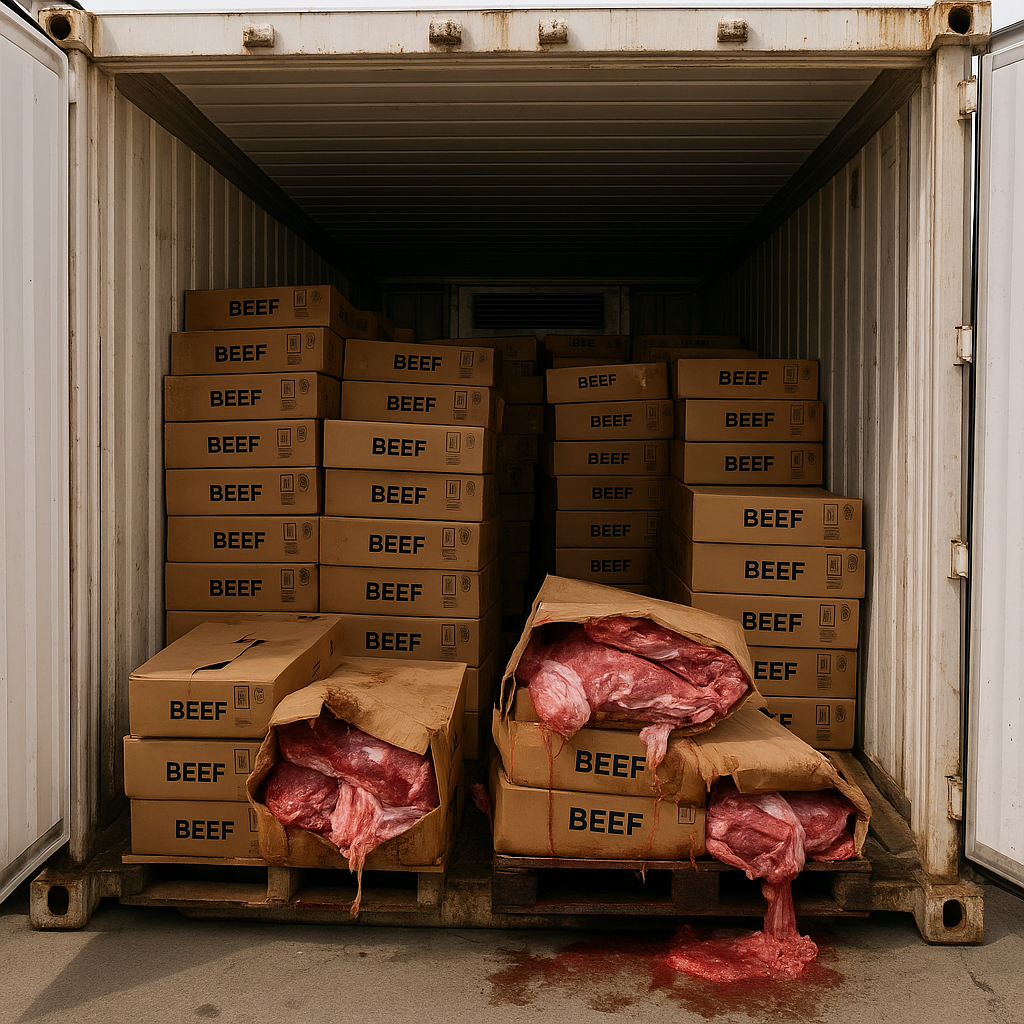
Marine cargo disputes are rising sharply across Africa, as trade volumes increase and insurance awareness grows. While many exporters believe that damage or delay automatically guarantees compensation, claims are often denied due to poor documentation, procedural lapses, or unclear liability.
According to the African Shippers’ Council, more than 18,000 cargo-related disputes were filed across Africa’s top ten ports in 2024—up 23% from 2023. The majority involved issues around partial damage, moisture deterioration, delays, and container seal breaches.
1. Common Causes of Disputes
Marine cargo insurance disputes typically arise from:
- Inadequate pre-shipment inspections or surveys.
- Absence of condition reports at discharge.
- Conflicting documentation between shippers, carriers, and receivers.
- Use of unbonded or informal transporters.
- Failure to file protest letters or damage notices on time.
“Many traders wrongly assume that photos of damage are enough. But without a timeline, surveyor’s report, or chain-of-custody verification, insurers often reject or scale down claims,” explains Fatima Bello, Claims Executive at Marine Mutual Nigeria.
2. Legal and Policy Gaps
Legal frameworks vary across the continent:
- Kenya and South Africa require written protest or notice of claim within 3–7 days of discharge.
- In Nigeria, under the proposed 2025 Marine Insurance Bill, insured parties must prove due diligence in handling the cargo.
- Some Francophone African countries rely on older CIMA codes that lack specifics on container-era risks.
Disputes are complicated when:
- The bill of lading is unclear on cargo condition.
- Carriers use ‘no responsibility’ clauses.
- Customs inspections interfere with seal integrity.
3. Insights from Observater
To understand what’s driving many of these disputes, All in Maritime News contacted Eng. Daniel Esilaba, Managing Director and Marine Claims Expert at Observater Surveys and Services Ltd.
“We’ve seen cases where cargo was clearly damaged mid-transit, but the lack of an intermediate survey or custody chain invalidated the claim,” Esilaba said. “We also see confusion between marine and inland clauses—many traders assume warehouse-to-warehouse cover, when in fact the risk ended at port discharge.”
Observater regularly assists by:
- Conducting neutral discharge condition surveys.
- Issuing Letters of Protest against carriers or terminals.
- Verifying seal integrity, weighbridge records, and custody logs.
- Supporting legal teams with structured reports and photographic evidence.
“Insurers are not always the problem—it’s usually the missing proof,” Esilaba added. “Our goal is to ensure facts are clear before lawyers, courts or arbitration teams come in.”
4. How Traders Can Strengthen Their Cases
To minimize disputes and ensure fair settlements:
- Always request or commission third-party cargo surveys.
- Demand and preserve weighment and inspection reports.
- File Letter of Protest within hours of discovering damage.
- Retain all photographic evidence with time and location stamps.
- Understand where your policy begins and ends (port-to-port vs. warehouse-to-warehouse).
5. Courts, Arbitration and the Role of Technology
Disputes are increasingly going to:
- Maritime arbitration centers in Lagos, Nairobi, and Cape Town.
- Alternative Dispute Resolution (ADR) panels under regional trade bodies.
- National courts, where maritime law is unevenly interpreted.
Emerging tools:
- Use of blockchain-backed shipping documents.
- GPS-linked tamper-evident seals.
- Digital condition logs linked to Internet of Things (IoT) devices.
These technologies can reduce ambiguities and speed up settlements.
Conclusion: Proactive Proof Wins Claims
Cargo disputes will continue to rise as Africa’s trade expands. But with clearer contracts, stronger documentation, and third-party oversight, traders can significantly improve their success in marine insurance claims.
Observater Surveys and Services Ltd remains at the forefront of this shift, offering impartial inspections, structured evidence, and strategic advice to shippers, underwriters, and legal counsel across East, Central, Western and Southern Africa.
Contact Observater at: ops@obsevater.com or www.observater.com
Contact: news@allinmaritime.com
Tel: +27 063 069 1191
Offices: Durban | Dar es Salaam | Nairobi | Dubai
Website: www.allinmaritime.com
All in Maritime News — Your Source for Global Maritime Intelligence
