

By All in Maritime News | Lagos, Nigeria
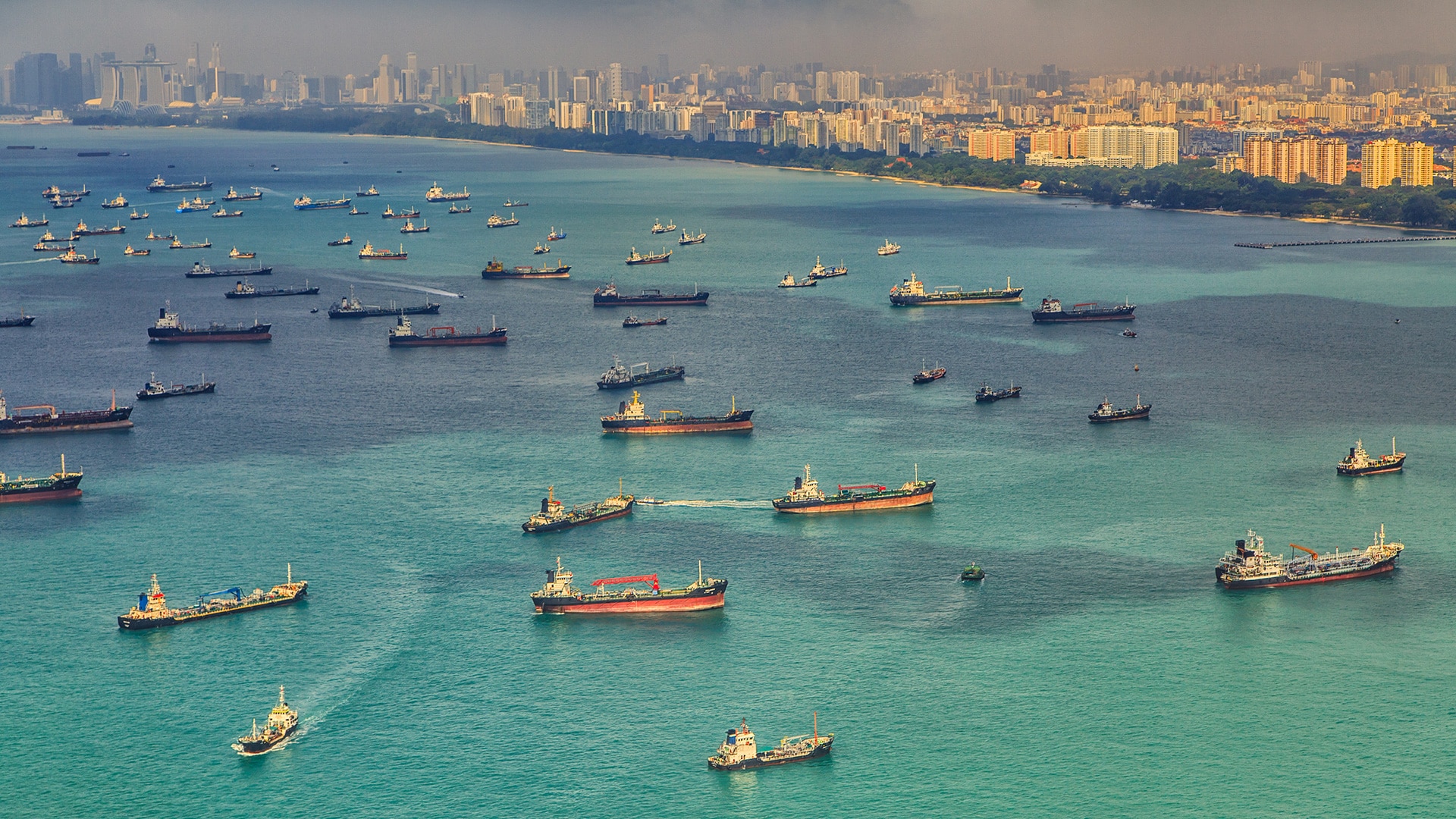
As African ports modernize and expand, congestion remains a persistent challenge—causing significant delays, especially at major terminals in Lagos, Mombasa, Dar es Salaam, and Durban. These delays don’t just impact shipping schedules—they directly affect cargo condition, trade costs, and most importantly, marine insurance claims.
For cargo owners, the result can be devastating: missed markets, spoiled perishables, legal battles over liability, and uncertain settlements.
1. The Congestion-Cargo Claims Nexus
Port delays trigger a complex set of potential losses:
- Spoilage of perishable cargo (fruits, flowers, fish, vaccines).
- Moisture or mold damage in containers held too long without ventilation.
- Stock devaluation from missed sales windows.
- Demurrage and detention charges passed to cargo owners.
According to the Africa Ports Performance Index (APPI) 2025, Lagos (Apapa) and Dar es Salaam rank among the bottom 20 globally in vessel turnaround time, with averages exceeding 6–8 days.
In marine insurance terms, such losses may or may not be covered, depending on the exact policy wording, cause of delay, and level of documentation.
2. What Insurers Look For
For a claim to succeed under most cargo insurance policies, the following must be established:
- A proximate cause linked to physical damage (e.g., mold from excessive moisture).
- Evidence the damage occurred within the covered voyage or while in custody of a named party (carrier, port, warehouse).
- Documentation that shows timeline, condition, and handling procedures.
Delays alone—without physical damage—usually do not trigger a payout. However, if delay leads to spoilage or contamination, and if well documented, insurers may honor the claim.
3. When Delays Become Legal Disputes
Complexities often arise around:
- Whether the delay was force majeure (e.g., strike, congestion beyond control).
- If port or shipping line is liable.
- Whether cargo was inspected before offloading.
- If appropriate mitigation steps were taken.
“We’re seeing a rise in claims where traders allege loss due to ‘terminal inefficiency’, but without solid timestamped proof, insurers push back,” says Dr. Andrew Kinyua, Claims Advocate at PanAfrica Underwriters.
4. The Role of Independent Surveyors
To resolve congestion-linked claims, third-party inspection becomes crucial.
Firms like Observater Surveys and Services Ltd are often called to:
- Conduct arrival condition surveys at congested ports.
- Monitor unloading or stripping delays.
- Document signs of deterioration (temperature logs, mold, leakage).
- Issue independent certificates of delay-linked damage.
When All in Maritime News reached out to Observater for remarks, the team highlighted their involvement in recent high-profile congestion claims in Beira and Dar es Salaam.
“We’ve inspected over 200 containers this year that suffered losses due to delayed port clearance and warehouse overflow,” said Dickens Ouma, Senior Claims Handler at Observater. “By capturing condition on arrival and tracing timelines with EDI data and photos, we help underwriters separate legitimate claims from avoidable delays.”
5. Practical Risk Mitigation Steps for Traders
To reduce risk or strengthen claims:
- Use IoT sensors for real-time container tracking and temperature.
- Request joint surveys at discharge when delay is expected.
- Ensure clear Incoterms (CIF, FOB) and delivery instructions.
- Partner with surveyors who can document chain-of-custody timelines.
- Negotiate policies with explicit delay-related endorsements.
6. Insurance Policy Trends
Some insurers are now offering:
- Delay in Start-Up (DSU) extensions.
- Specific “perishable cargo delay” clauses.
- Parametric-style endorsements based on port turnaround times.
These are still emerging and often require higher premiums, but provide predictability for traders moving sensitive goods.
Conclusion: Proof Wins Claims
In an age of digital cargo, documentation is king. Port congestion will continue to challenge African trade corridors, but smart preparation, strategic partnerships, and credible third-party verification can turn a denied claim into a successful payout.
As All in Maritime News continues its marine insurance series, one message stands clear as shared by Observater Managing Director and Loss Adjuster, Eng. Daniel Esilaba: When the claim is the delay, only solid evidence—collected in real time—can turn disruption into recovery.
Contact Observater at: ops@obsevater.com or www.observater.com
Contact: news@allinmaritime.com
Tel: +27 063 069 1191
Offices: Durban | Dar es Salaam | Nairobi | Dubai
Website: www.allinmaritime.com
All in Maritime News — Your Source for Global Maritime Intelligence
