

By All in Maritime News | Nairobi, Kenya
The global shift toward Environmental, Social, and Governance (ESG) compliance is no longer limited to public companies and institutional investors. Today, ESG benchmarks are being hardwired into maritime finance, insurance, and chartering—creating a new playing field for African cargo owners. As carbon accountability, ethical sourcing, and sustainable logistics become boardroom priorities worldwide, Africa must confront a pressing question:
Are African exporters and importers ready to meet ESG-driven maritime requirements—or risk being shut out of premium freight networks and green investment flows?
1. ESG in Maritime: The Investment Reality
Over $2.5 trillion in global trade finance is now influenced by ESG-screening. Major shipping lenders, including signatories to the Poseidon Principles, assess vessel emissions when determining access to capital. The same metrics increasingly apply to cargo owners—particularly those tied to consumer brands and regulated industries.
“Carbon transparency, labor standards, and environmental traceability are now part of freight procurement decisions,” says Clara Mensah, ESG & Trade Policy Advisor, Ghana Shippers’ Authority. “Cargo owners who lack data or sustainability plans are already being priced out.”
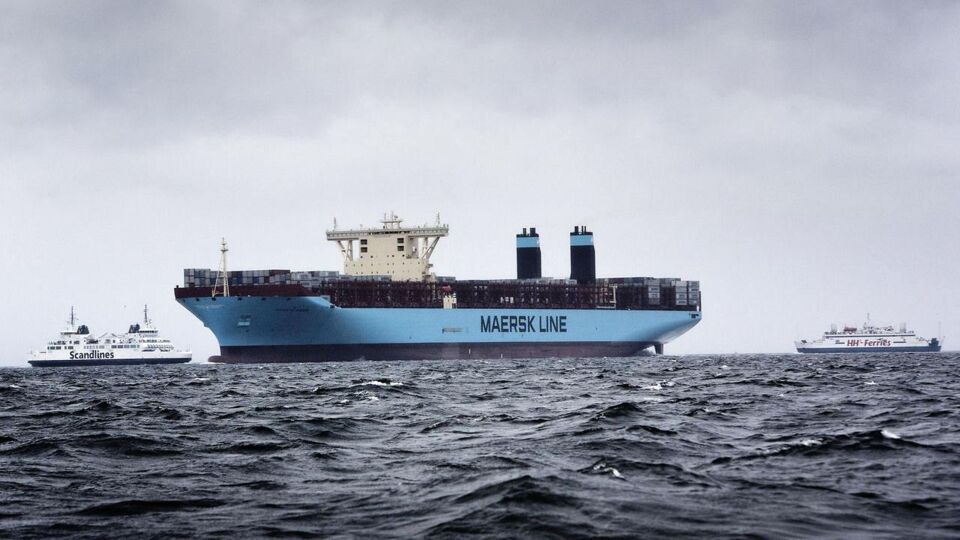
Shipping lines, led by Maersk, MSC, and CMA CGM, now offer ESG-aligned shipping options, including biofuel blends, low-emission routing, and carbon offsetting—all priced at a premium.
2. African Cargo Owners: Gaps in Readiness
While large agribusinesses and mining firms in South Africa, Morocco, and Egypt have begun ESG reporting, many exporters across Eastern and Sub-Saharan Africa still operate with:
- No emissions tracking or carbon footprint data.
- Limited awareness of vessel carbon intensity scores (CII).
- No policy for engaging green corridors or low-emission vessels.
In interviews conducted by All in Maritime News, over 60% of surveyed mid-size exporters in Kenya, Tanzania, and Nigeria were unaware that shipping emissions are being linked to cargo-level ESG scoring by global buyers.
“We simply rely on freight forwarders. We’ve never been asked about carbon data until now,” said a coffee exporter based in Nairobi.
3. The Cost of Inaction: Market Access and Financing
The consequences of ESG non-alignment are already manifesting:
- Exporters are losing access to green credit lines (e.g., AfDB, IFC, Proparco) due to poor environmental disclosures.
- Retail buyers in Europe are refusing CIF deliveries unless the shipping route meets Scope 3 emission targets.
- Insurers are tightening terms on bulk cargoes (coal, minerals, agri-commodities) not tied to ESG-aligned logistics chains.
“Lenders now ask if the cargo is traveling via a green corridor. If not, interest rates are higher,” confirms Grace Okello, maritime finance officer with a Nairobi-based trade bank.
4. Observater Weighs In: Inspection and Compliance Support
To understand how inspection and logistics firms are helping cargo owners navigate this transition, All in Maritime News reached out to Observater Surveys and Services Ltd, which has operations across Eastern and Southern Africa.
“We are increasingly supporting exporters with cargo traceability audits, ESG transport certificates, and bunker emission records,” says Eng. Daniel Esilaba, Managing Director at Observater.
Observater’s ESG-aligned services include:
- Pre-shipment GHG audit trails.
- Certified green logistics routing declarations.
- Bunker emissions reports linked to vessel CII profiles.
- Inspection protocols that account for labor, environmental, and packaging risks.
“Cargo owners must realize that ESG isn’t a Western compliance agenda—it’s the price of admission into modern trade. We make that entry point practical and measurable,” Eng. Esilaba explains.
5. A Regional Roadmap for ESG Adaptation
To ensure readiness, industry experts recommend the following steps for African cargo owners:
- Start with carbon accounting: Even basic Excel-based tracking of shipment emissions builds credibility.
- Engage your freight partner: Ensure your logistics chain understands CII ratings and green vessel options.
- Obtain certification: Work with firms like Observater to document environmental, labor, and chain-of-custody compliance.
- Advocate regionally: Push trade associations and export boards to provide ESG reporting templates and finance access.
“We need a unified ESG dashboard for African trade—not 54 fragmented interpretations,” says Lydia Mulenga, ESG and Sustainability Lead, Zambia Export Council.
Conclusion: ESG as Competitive Differentiator, Not Just Obligation
Africa’s cargo owners are at a crossroads. ESG adoption is no longer a future aspiration—it’s a present condition for competitiveness. Those who act now will benefit from premium buyers, green financing, and early access to digital supply chain networks. Those who delay will be marginalized.
As ESG frameworks become embedded in every bill of lading and bunker receipt, firms like Observater Surveys and Services Ltd are essential allies—not just in compliance, but in unlocking new value.
Reach out to Eng. Daniel Esilaba at: daniel.n@obsevater.com or www.observater.com
Contact: news@allinmaritime.com
Tel: +27 063 069 1191
Offices: Durban | Dar es Salaam | Nairobi | Dubai
Website: www.allinmaritime.com
All in Maritime News — Your Source for Global Maritime Intelligence
