

The Port of Kingston, Jamaica’s primary maritime hub and one of the busiest transshipment ports in the Caribbean, has suffered significant disruption and suspected infrastructure damage following the devastating passage of Hurricane Melissa — a Category 5 storm that made landfall on the island on October 28, 2025.
The hurricane, which struck with sustained winds exceeding 185 mph (295 kph) and storm surges reaching up to 13 feet (4 metres) along the southern coast, unleashed severe flooding, power outages, and extensive coastal destruction across Kingston and its surrounding parishes. Authorities ordered the full closure of all seaports, including Kingston, as the nation braced for what Prime Minister Andrew Holness described as “the most powerful hurricane in Jamaica’s recorded history.”
Operations Halted, Facilities Flooded
According to officials from the Port Authority of Jamaica, all port and shipping operations were suspended ahead of Melissa’s landfall. Cargo vessels were diverted to deeper waters, while terminal equipment and container stacks were secured. Despite these precautions, early assessments indicate widespread flooding in low-lying port areas, with reports of quay wall overtopping, submerged storage yards, and power supply interruptions to key terminals.
Storm surge and wave action battered the Kingston Harbour, scattering debris and causing sedimentation in access channels. Maritime sources said that some mooring dolphins and fenders were torn loose, while minor vessel damage was reported among smaller craft docked near Rae Town and Port Royal.
“Our priority now is safety and assessment,” said a senior official with the Port Authority who requested anonymity as evaluations continue. “We are working to inspect berths, navigation aids, and container terminals to determine the structural integrity before reopening for commercial traffic.”
Kingston Freeport Terminal Leads Recovery
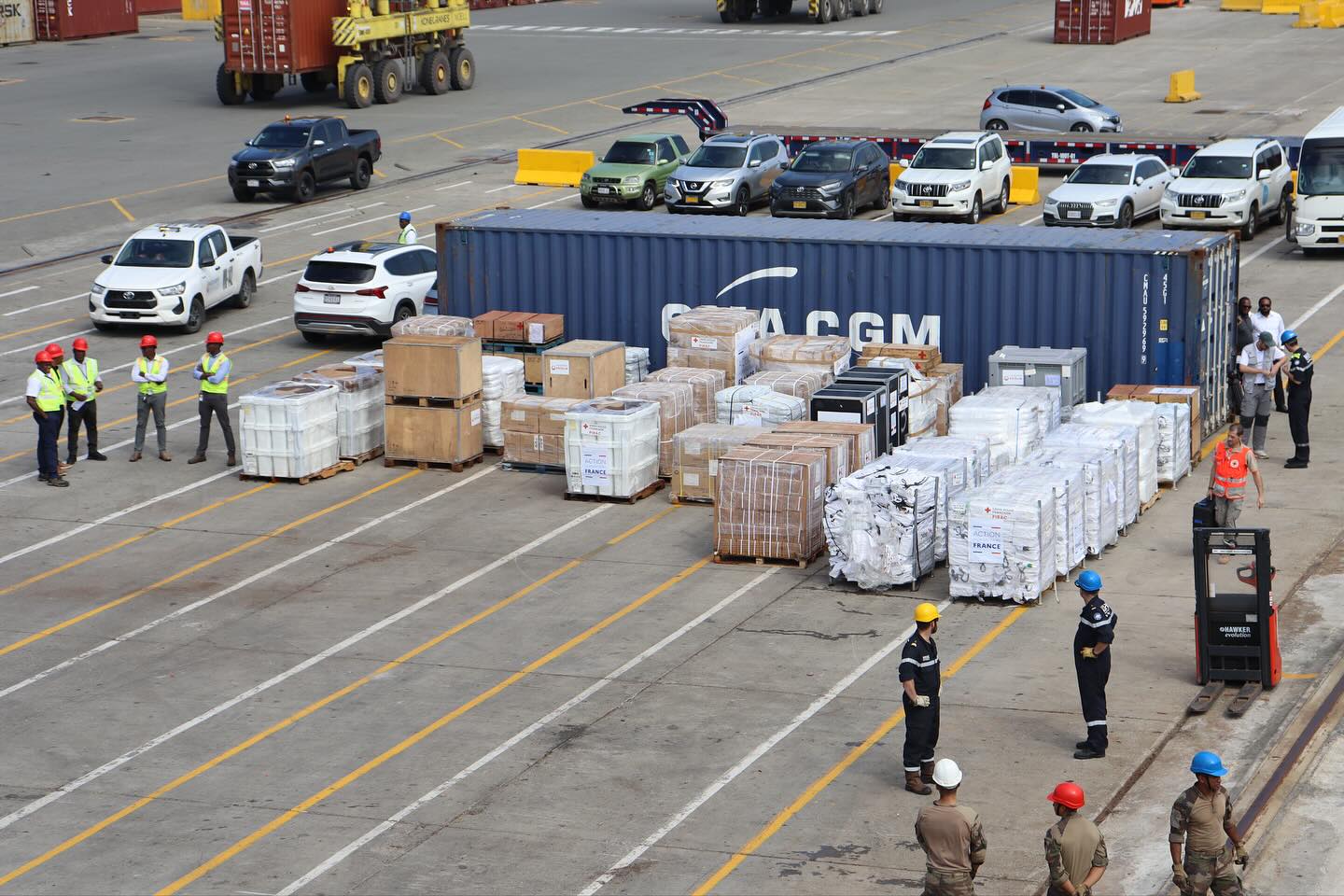
Despite the widespread devastation, Kingston Freeport Terminal Limited (KFTL) has emerged as a key player in the island’s early recovery efforts. The operator reported that its facilities withstood the brunt of Hurricane Melissa and have since reopened selectively to receive and process relief cargo for national recovery operations.
“KFTL came through Hurricane Melissa and is receiving cargo for the relief effort as Jamaica picks up the pieces,” the company announced. Relief shipments include essential goods such as fuel, medical supplies, and food aid arriving from regional and international partners.
The terminal’s resilience has provided a crucial logistical lifeline for emergency response agencies, helping to stabilize the flow of humanitarian aid into the capital and surrounding regions. Maritime observers have praised the terminal’s disaster-preparedness measures, including reinforced yard drainage, elevated electrical systems, and rapid inspection protocols, which allowed for a phased reopening within days of the hurricane.
Widespread City Damage Adds to Port Disruption
The city of Kingston itself endured catastrophic wind damage and severe flooding, compounding the challenges facing port logistics. Several feeder roads leading into the port zone were rendered impassable by fallen trees, downed power lines, and floodwaters. Electricity and communication outages paralyzed crane operations and container tracking systems across the harbour area.
Local reports indicate that hundreds of shipping containers were displaced by the combined force of wind and water, while sections of the terminal fencing and yard lighting were destroyed. The storm’s eye passed just west of the capital, subjecting Kingston to prolonged hurricane-force winds lasting nearly six hours.
The National Works Agency (NWA) said major rehabilitation would be required to restore access roads linking the port to key industrial zones and the Norman Manley International Airport, located on the Palisadoes Peninsula — another area battered by Melissa’s storm surge.
Economic and Maritime Consequences
Early estimates suggest Jamaica’s total economic losses from Hurricane Melissa could exceed US $50 billion, with port and logistics infrastructure forming a substantial portion of the damages. The temporary shutdown of the Port of Kingston — a vital node in Caribbean container transshipment — has disrupted shipping schedules, delayed imports, and stranded cargo bound for regional markets.
Industry observers warn that it may take weeks to fully restore operations, depending on the extent of underwater damage and sediment accumulation in navigational channels. Maritime insurers and surveyors are already being mobilized to assess damage to berths, cranes, and port facilities.
“The port’s resilience will be tested not only by the physical destruction but also by the efficiency of its recovery process,” noted Mr. Linus Opondo, a marine surveyor with Observater Surveys and Services Ltd in Mombasa. “Rapid hydrographic and structural surveys will be critical to confirm safe depths, inspect quay walls, and clear submerged debris before vessels can return.”
Wider Regional Impact
Beyond Kingston, Hurricane Melissa left a trail of devastation across the Caribbean. In Jamaica alone, at least 50 fatalities have been confirmed, with thousands displaced and critical infrastructure crippled. The storm later moved on to eastern Cuba as a weaker Category 3 system but continued to cause heavy rainfall and coastal flooding in the Bahamas.
Climate experts say the storm’s unprecedented strength and rapid intensification were fueled by record-warm Atlantic sea surface temperatures, underscoring the mounting threat climate change poses to small island nations and maritime economies.
Road to Recovery
As emergency crews continue rescue and relief efforts, the Port of Kingston is expected to remain partially restricted to commercial shipping until full safety clearance is granted. With KFTL handling the flow of relief cargo, authorities are prioritizing the restoration of full port operations to restart trade and fuel reconstruction.
The Port Authority, in coordination with Jamaica Defence Force engineers and international partners, has begun damage assessments and hydrographic surveys to map submerged hazards and structural impacts. Rehabilitation of the port will be essential not only for Jamaica’s trade recovery but also for restoring vital supply routes to other Caribbean territories affected by the storm.
For now, the usually bustling port city stands quiet — cranes still, berths empty, and the skyline marked by the scars of one of nature’s fiercest assaults in living memory.
Tell us What is Happening in Your Area: Contact Maritime Context at: news@maritimecontext.com
