

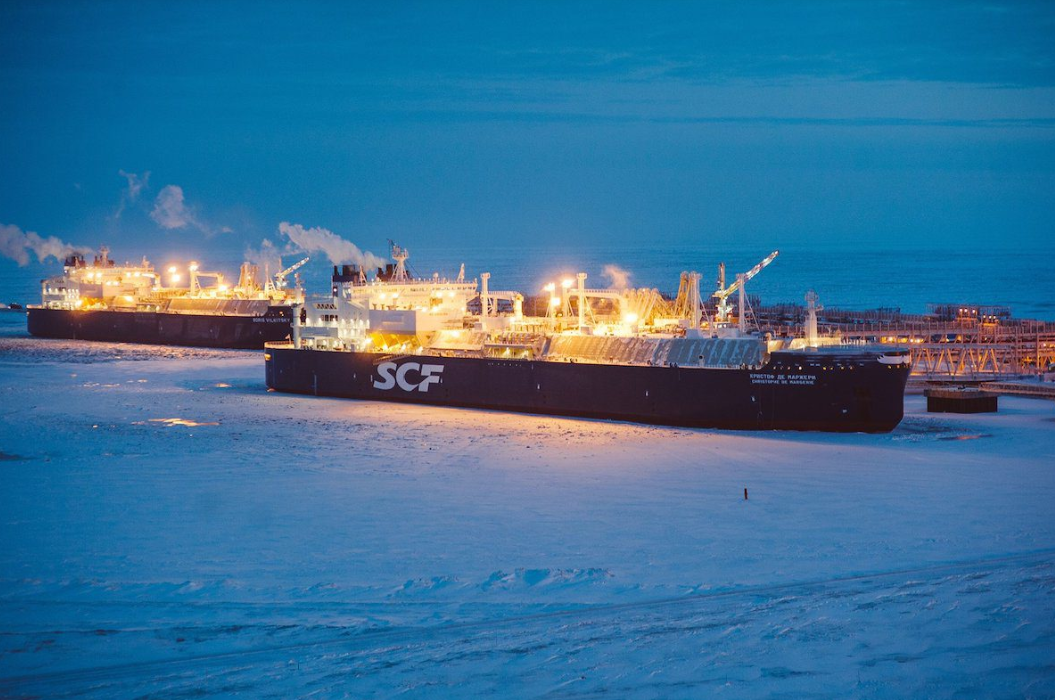
Despite mounting political pressure to reduce energy ties with Russia, European Union member states have continued to import large volumes of Russian liquefied natural gas (LNG) throughout 2025, sustaining the operations of the specialized ice-class tanker fleet that serves Russia’s key Arctic export hub at Yamal LNG.
New industry data shows that European ports took delivery of at least 207 LNG cargoes from Russia’s Yamal LNG project during 2025, only slightly down from the 217 shipments recorded in 2024.
Europe’s LNG Market Still Anchored to Yamal
The Yamal LNG complex, operated by Russian energy company Novatek on the Arctic’s Yamal Peninsula, shipped a total of 273 cargoes in 2025, including exports to Asia. However, more than three‑quarters of those deliveries went to EU terminals, making the bloc the dominant destination for the project’s output.
Environmental group Urgewald estimates the EU paid around €7.2 billion ($8.4 billion) for Russian LNG in 2025, underscoring Europe’s continued dependence on Russian supplies to meet energy needs.
France emerged as the largest importer within the bloc, taking in 87 tankers worth of LNG, while Belgium’s Zeebrugge terminal alone received 58 shipments. In contrast, China — touted by Moscow as a central pillar of Russia’s pivot to Asian markets — received 51 deliveries last year.
Arc7 Tankers and the Logistics Backbone
Central to the continued flow of LNG from the Yamal Peninsula are the Arc7 class ice‑class LNG carriers — specialized vessels capable of navigating the region’s harsh Arctic ice year‑round. Europe’s role has extended beyond being a mere customer: EU ports remain vital for crew changes, maintenance, insurance, and offloading services that keep the fleet operational.
Operators have managed to keep all 14 Arc7 carriers active through 2025, despite escalating sanctions risks, growing operational challenges, and suppliers increasingly reluctant to provide parts and services due to compliance concerns.
Policy and Geopolitical Tensions
The persistence of robust Russian LNG exports to the EU comes against a backdrop of tightening sanctions rhetoric and legislative actions aimed at severing the bloc’s dependence on Russian fossil fuels. In December 2025, the European Parliament backed a phased ban on Russian gas imports — including LNG — to be fully implemented by early 2027.
Nevertheless, analysts stress that the sanctions regime has not yet significantly disrupted these exports or the shipping networks that support them. The reliance on European‑controlled Arc7 carriers — operated by firms such as UK‑based Seapeak and Greek‑owned Dynagas — highlights ongoing structural dependencies within the trade chain that Moscow and Europe alike struggle to unwind.
Observers warn that any abrupt disruption of the ice‑class fleet or port access could quickly impede Yamal’s LNG exports — yet so far, economic and logistical ties have proven resilient, underlining the complexity of unwinding energy trade even amid geopolitical conflict and policy divergence.
Tell us What is Happening in Your Area: Contact Maritime Context at: news@maritimecontext.com
