

By All in Maritime News | Accra, Ghana
As African trade volumes grow and climate-linked disruptions increase, the marine insurance industry is searching for new models that are faster, fairer, and more data-driven. One approach gaining traction globally—and now slowly emerging across African ports and trade corridors—is parametric marine insurance.
Unlike traditional indemnity policies that require loss assessment and physical proof, parametric insurance pays out based on predefined triggers—such as wind speed, wave height, temperature excursions, or shipment delays—measured through third-party or satellite data.
This model holds unique promise for Africa, where claims bottlenecks, infrastructure gaps, and dispute-prone environments often delay or derail payouts.
1. What Is Parametric Marine Insurance?
Parametric insurance replaces subjective claims processes with objective, data-verified events.
Example Triggers:
- A vessel encountering wave heights above 6m for >12 hours.
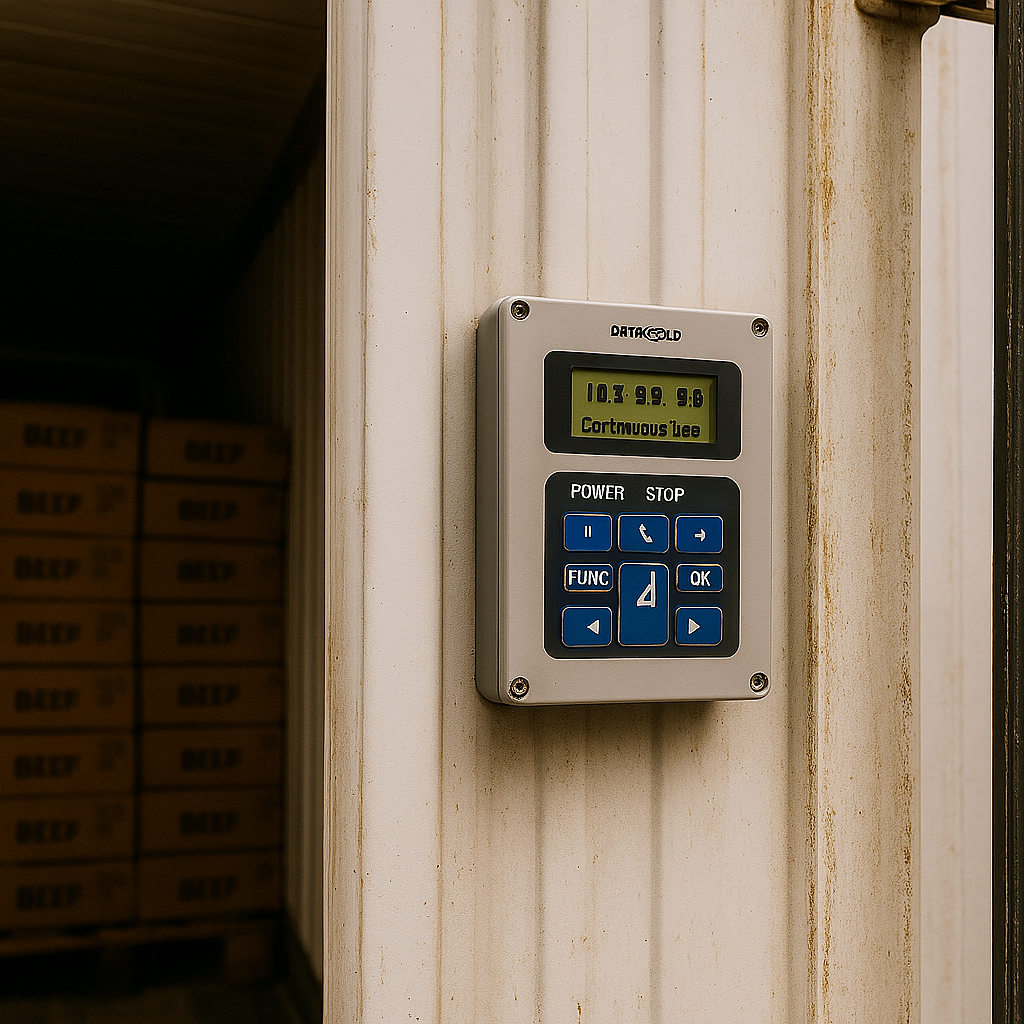
- A reefer container’s temperature exceeding 8°C for 2+ hours.
- Port congestion causing verified shipment delay >72 hours.
How It Works:
- A policyholder agrees to a trigger + payout model in advance.
- If the event occurs (confirmed via IoT, satellite, or port data), the payout is automatic.
- No adjusters or loss reports required.
2. Why Africa Needs Parametric Models
According to the African Risk Capacity (ARC) and Lloyd’s 2025 Africa Insights, major bottlenecks in traditional marine insurance on the continent include:
- Slow claim settlement times (average of 61–80 days).
- Lack of verification infrastructure at ports and borders.
- Underinsurance among small traders and SMEs.
- High friction in perishable cargo and bulk commodity claims.
Parametric solutions offer:
- Speed (settlements in 48–72 hours).
- Predictability and transparency.
- Inclusion of informal traders and micro-exporters through tech-based underwriting.
“Parametric cover may be the only viable way to insure fish, fruit, or flower exports from remote African corridors,” says Elhadji Sy, Marine Risk Advisor at WAICA Re.
3. Current Pilot Programs and Technologies
Several African initiatives are exploring parametric approaches:
- Kenya: A pilot in Mombasa is testing temperature-linked cover for reefer exports via IoT thermologgers.
- South Africa: A freight technology startup is collaborating with an underwriter to insure port delay risks in Durban using satellite vessel tracking.
- Nigeria: A blockchain-based cargo insurance product includes weather-indexed clauses for coastal transport.
Global players like Swiss Re, Munich Re, and AXA Climate are also entering Africa through partnerships or reinsurance frameworks.
4. Challenges to Adoption
Despite the promise, challenges remain:
- Lack of standardized data collection: Many ports and logistics operators still rely on manual logs.
- Limited awareness among exporters, brokers, and regulators.
- Trigger validation disputes, especially in low-connectivity or corrupt environments.
- Regulatory uncertainty: Few African insurance regulators have clear guidelines for parametric products.
“Trigger design must be transparent, locally relevant, and verifiable—otherwise the model loses credibility,” says Dr. Lorna Asare, Head of Insurance Law, University of Ghana.
5. The Role of Verification and Third-Party Data Providers
While parametric policies reduce the need for traditional claims handling, they increase the importance of reliable third-party data:
- Satellite imaging (e.g., Copernicus, NOAA).
- Port IoT systems and AIS vessel tracking.
- Container-based sensors for humidity, temperature, and shock.
In Africa, there’s growing demand for regional verification partners that can act as trusted data aggregators, ensuring trigger accuracy and building trust with reinsurers and policyholders.
To understand how this might play out on the ground, All in Maritime News reached out to Observater Surveys and Services Ltd, a leading East African provider of marine inspection and digital cargo verification services.
“Parametric insurance models can only succeed if the data is credible, neutral, and available in real time,” said Eng. Daniel Esilaba, Managing Director of Observater. “We’ve seen firsthand how accurate voyage tracking and thermal data from reefer inspections have reduced claim disputes in East Africa. Our team is already working with cargo owners and underwriters to develop data streams that could serve as reliable parametric triggers.”
Observater’s ongoing deployment of smart cargo inspection technology in Sub Saharan Africa, including in Uganda, Ethiopia, Kenya, Tanzania, and Mozambique positions the firm as a key enabler of transparent insurance processes for Africa’s emerging corridors.
6. A Complement, Not a Replacement
Experts caution that parametric insurance should not be seen as a wholesale replacement for traditional policies.
Instead, it can:
- Complement coverage for time-critical or hard-to-prove events.
- Offer affordable entry-level protection for low-margin trades.
- Reduce claim disputes in regions where litigation is slow or costly.
Examples include:
- Time-bound payouts for fresh produce shipments.
- Fixed-delay payouts for logistics firms.
- Weather-linked cargo loss cover for fishing communities.
Conclusion: Designing for Africa’s Needs
Parametric marine insurance represents a bold departure from Africa’s traditional insurance models. If designed transparently, powered by localized data, and regulated smartly, it could unlock coverage for thousands of exporters, especially in informal and underserved sectors.
As pilot projects expand and insurers seek scalable, tech-driven solutions, the question is no longer if parametric models will gain ground in Africa—but how fast, and for whom?
Reach out to Eng. Daniel Esilaba at: daniel.n@obsevater.com or www.observater.com
Contact: news@allinmaritime.com
Tel: +27 063 069 1191
Offices: Durban | Dar es Salaam | Nairobi | Dubai
Website: www.allinmaritime.com
All in Maritime News — Your Source for Global Maritime Intelligence
