

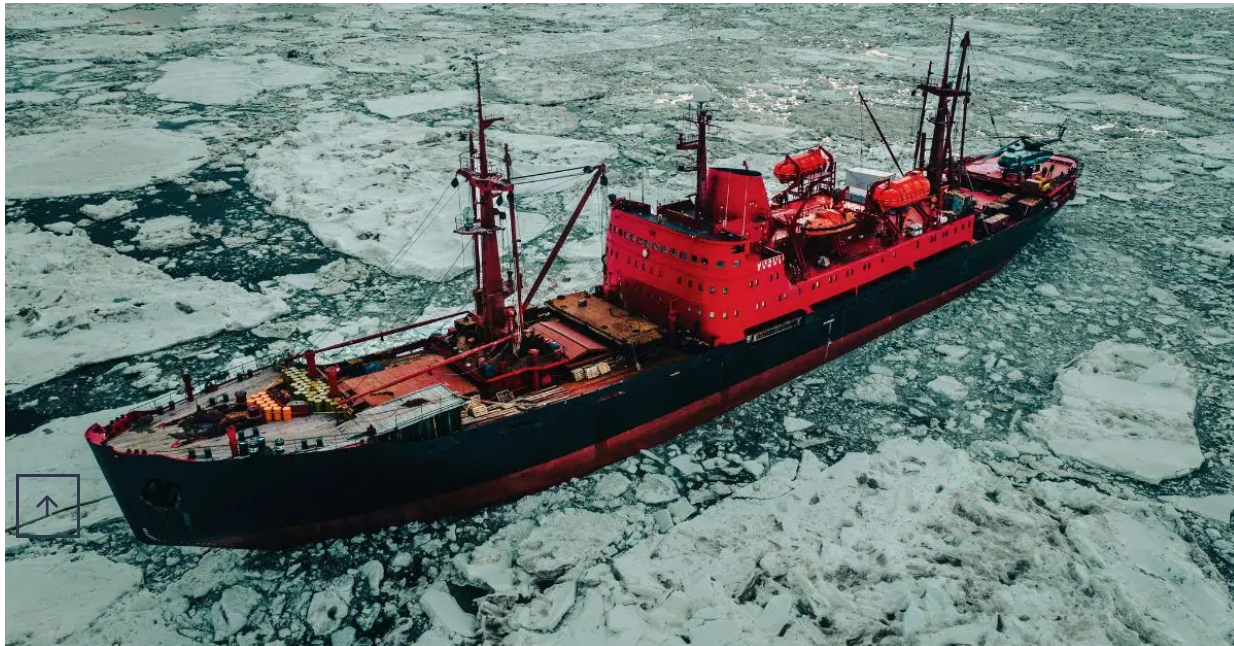
Moscow — Russia has turned to a single ice-class LNG carrier to keep exports flowing from its heavily sanctioned Arctic LNG 2 project, highlighting the mounting logistical and commercial strain on the country’s Arctic energy ambitions as winter ice tightens its grip on northern shipping routes.
According to maritime tracking and industry sources, the Arc7-class icebreaking LNG carrier Christophe de Margerie has emerged as the only vessel currently capable of transporting cargoes from the Arctic LNG 2 terminal during the winter season. The ship has completed multiple shuttle voyages between the remote export facility and floating storage units near Murmansk, where LNG cargoes are transferred to conventional tankers for onward delivery.
Sanctions Constrain Arctic Shipping
Arctic LNG 2, operated by Novatek, has been subject to U.S. and allied sanctions aimed at curbing Russia’s energy revenues. While the project was designed to rely on a fleet of ice-capable LNG carriers to ensure year-round exports, sanctions have severely disrupted vessel deliveries, financing, insurance, and access to Western shipbuilding technology.
As a result, Russia has been left with a critically limited ice-class fleet, forcing reliance on a single operational vessel capable of navigating thick Arctic ice in temperatures that can fall below minus 30 degrees Celsius. Attempts by conventional LNG carriers to access the terminal earlier in the season were unsuccessful due to ice conditions.
Reduced Export Capacity
Industry analysts estimate that Arctic LNG 2 is currently operating at well below its intended winter export capacity, with shipments constrained by the availability of ice-breaking transport rather than production capability. The reliance on shuttle operations via Murmansk further adds to costs and delays, undermining the project’s original efficiency and scale.
Despite these challenges, Russia has continued to move limited volumes of LNG to Asian markets, with China remaining the primary destination for cargoes from sanctioned projects. Beijing has maintained LNG imports from Russia even as Western buyers have largely withdrawn.
Domestic Shipbuilding Push
In response to sanctions, Russia has accelerated efforts to develop domestic LNG carrier construction. The country recently completed its first locally assembled Arc7-class LNG carrier at the Zvezda shipyard, marking a symbolic milestone for its energy and shipbuilding sectors. The vessel is expected to join Arctic operations later this year, potentially easing—but not eliminating—the current bottleneck.
However, industry observers note that producing a full fleet of advanced ice-class LNG carriers domestically remains a complex and time-consuming challenge, particularly given ongoing restrictions on high-tech components and specialized equipment.
Strategic Implications
Russia’s dependence on a single icebreaking LNG carrier underscores the fragility of Arctic energy logistics under sanctions and raises questions about the long-term viability of large-scale LNG exports from the region without broader international cooperation.
While Moscow has demonstrated resilience and adaptability, the situation illustrates how sanctions, combined with harsh Arctic conditions, continue to exert pressure on Russia’s ambition to position itself as a dominant global LNG supplier.
Tell us What is Happening in Your Area: Contact Maritime Context at: news@maritimecontext.com
