

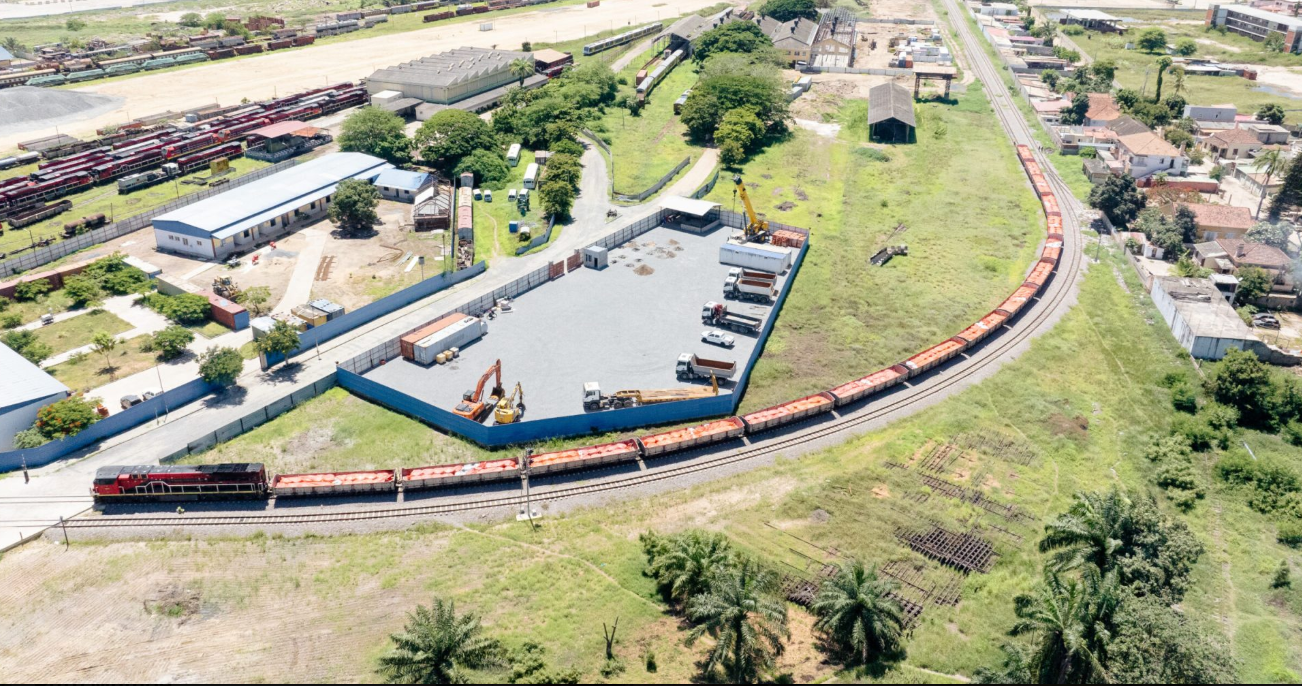
When the European Union and the Government of Zambia signed a multimillion-euro investment agreement for the Lobito Corridor on November 12, 2025, most headlines focused on railways, minerals, and industrial development. Yet beneath the surface, this deal may become one of the most consequential maritime catalysts Southern and Central Africa have seen in years.
The Lobito Corridor is more than a railway. It is a redirection of trade logic — a rethinking of how landlocked economies connect to global oceans. And if the project unfolds as designed, the maritime industry will feel its impact from port quays to global shipping lanes.
A New Atlantic Gateway — and a Strategic Shift
For decades, Zambia and parts of the DRC have relied heavily on Indian Ocean gateways — Durban, Dar es Salaam, Beira — for global exports. This reliance has shaped shipping routes, port investments, and the entire regional logistics architecture.
But the new EU-backed investment changes the equation.
By strengthening the rail-to-port system leading directly to the Port of Lobito on Angola’s Atlantic coast, the two partners have effectively unlocked a new maritime exit for some of the most sought-after minerals on earth: copper, cobalt, manganese, and more.
For maritime operators, that means one thing:
cargo is about to move westward.
The Maritime Ripple Effect Nobody Should Ignore
Vessels follow cargo. When mining, agriculture, and manufacturing exports find a shorter, cheaper path to an Atlantic terminal, shipping lines adjust accordingly.
Here’s the reality the industry must prepare for:
1. Increased Vessel Calls at Port of Lobito
Bulk carriers, container vessels, and project-cargo ships will likely see Lobito as a rising hub. Its throughput could accelerate sharply in the coming years.
2. Competition Among African Ports Will Intensify
Ports on the eastern side of the continent may lose some share of Zambia’s and the DRC’s export volumes. The maritime balance could tilt — slowly, but perceptibly — toward the Atlantic.
3. New Maritime Investment Will Be Required
If Lobito becomes the mineral gateway its planners envision, dredging, storage expansions, new logistics terminals, and digitized port systems will be critical.
The maritime sector will not be a spectator — it will be a major participant.
4. Freight Rates and Logistics Patterns Will Shift
Shorter, more predictable rail-to-port routes can lower inland logistics costs. This translates into more competitive export pricing — and potentially steadier maritime schedules.
The Corridor Is Not Just Rail — It’s an Economic Signal
Some observers dismiss the Lobito Corridor as merely a railway project. That view is narrow. The deal signed in November 2025 represents something bigger: a strategic realignment of Africa’s supply chains backed by the EU’s Global Gateway, signalling long-term commitment to Atlantic-side growth.
For the maritime community — shipowners, port authorities, surveyors, logistics operators — the smartest move is to view this not as competition, but as opportunity. New lanes create new business. New corridors diversify risk. New ports stimulate operational innovation.
In a region where infrastructure gaps have long dictated trade patterns, the Lobito Corridor introduces something rare: choice.
Opinion: The Maritime Industry Should Pay Close Attention
If you listen closely, the Lobito Corridor is whispering the future of African logistics. The maritime sector can either prepare now or play catch-up later.
As with all major infrastructure shifts, the winners will be those who anticipate new flows, adapt early, and invest strategically.
The November 2025 EU–Zambia agreement is not just a headline — it is a signal.
And the maritime world should be listening.
Tell us What is Happening in Your Area: Contact Maritime Context at: news@maritimecontext.com
