

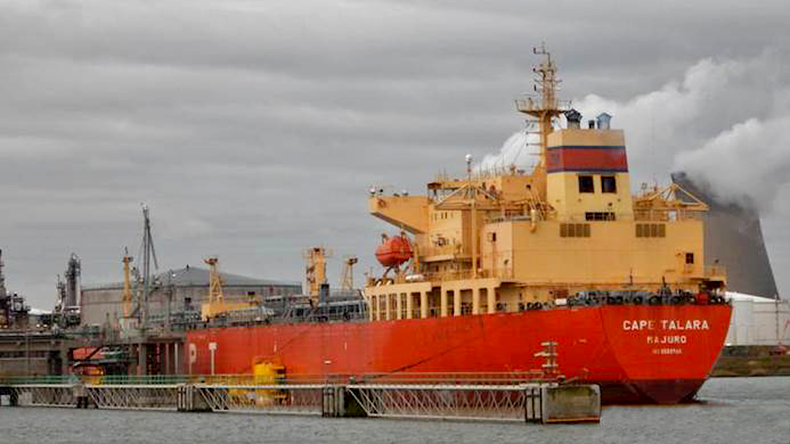
A Greece-owned crude oil tanker transiting near the Strait of Hormuz was forced into Iranian territorial waters on Friday after being approached and directed by vessels belonging to Iran’s Islamic Revolutionary Guard Corps (IRGC), according to security sources monitoring the region.
The incident, which occurred in one of the world’s most strategically sensitive maritime corridors, did not result in casualties or physical damage, though the exact motives behind the Iranian action remain unclear.
Interception Near the Strait of Hormuz
Initial reports indicate that the tanker was navigating eastbound when several fast-moving IRGC craft approached and issued instructions compelling the vessel to alter course toward Iranian waters. Maritime monitoring centres classified the event as “possible state activity”, consistent with previous Iranian maritime interventions targeting foreign-owned shipping.
Crew members are reported safe, and the vessel remains under observation as further assessments continue.
Motives Remain Uncertain
While Iran has a history of detaining or redirecting commercial vessels during periods of heightened geopolitical tension, authorities have not yet provided any official explanation for Friday’s action. It is not clear whether the diversion relates to sanctions enforcement, a commercial dispute, or broader political signalling.
Analysts note that Greece-owned tankers have been targeted in earlier episodes linked to sanctions, oil seizures, or diplomatic rifts, raising concern among operators with exposure in Gulf trade routes.
Global Shipping Industry on Alert
The incident underscores the persistent risks for merchant vessels transiting the Strait of Hormuz—a chokepoint through which nearly 20% of global seaborne oil flows. Any interference in tanker movements can trigger immediate ripple effects on freight rates, insurance premiums and voyage planning.
Maritime security teams say the diversion may prompt:
- Heightened war-risk assessments for tankers bound for or departing from Gulf ports
- Additional routing precautions and bridge readiness protocols during transits
- Renewed attention to state-sponsored interception tactics in the region
Shipping companies with Greek-owned or Greek-managed vessels are expected to review their exposure and ensure real-time coordination with naval information centres.
Awaiting Official Clarification
As of now, the tanker’s status, cargo details, and next port of call have not been publicly disclosed. Regional naval forces and international maritime bodies continue to monitor the situation closely.
The incident serves as a sharp reminder of the volatility surrounding the Strait of Hormuz—where commercial navigation can be dramatically affected by geopolitical shifts, even without warning.
Tell us What is Happening in Your Area: Contact Maritime Context at: news@maritimecontext.com
