

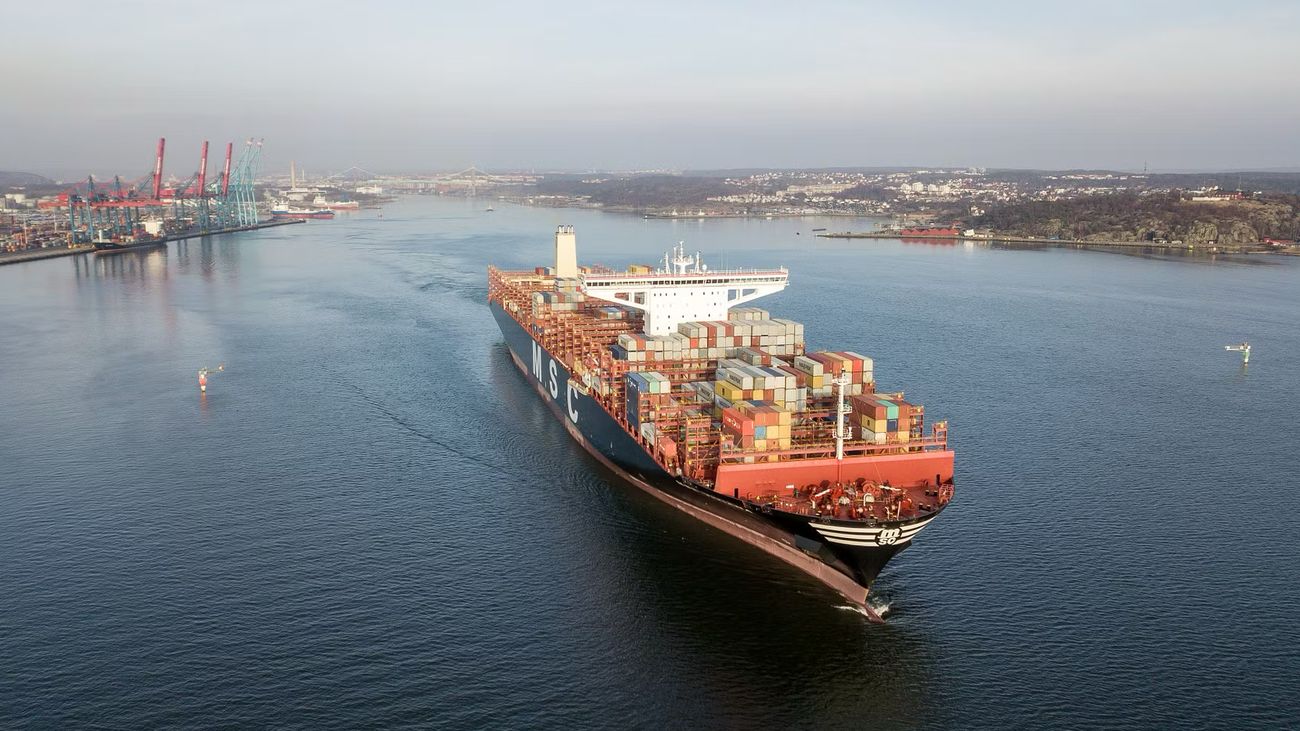
Sweden’s ambitious Skandia Gateway project, aimed at deepening the fairway leading to the Port of Gothenburg, has suffered a major delay after authorities cancelled the joint dredging procurement due to unexpectedly high bid prices.
The Swedish Maritime Administration and the Port of Gothenburg—joint developers of the project—announced the cancellation after all bids exceeded the available state funding. Officials said the decision was unavoidable, as the tenders received were significantly above the estimated budget for the large-scale dredging operations.
A key infrastructure project hits pause
The Skandia Gateway initiative seeks to make Sweden’s largest port accessible to the world’s biggest container ships by deepening and widening approach channels and reinforcing quay structures. This upgrade is vital for maintaining Gothenburg’s position as the Nordic region’s main logistics hub and gateway for international trade.
However, the cancellation of the joint procurement means the project will now proceed through separate contracts. The Port of Gothenburg will reissue a smaller tender covering dredging works near the quays, which account for roughly 5% of the total volume, with operations expected between August 2026 and May 2027.
The Swedish Maritime Administration will then take responsibility for the larger dredging scope, expected to start in 2027.
Financial and operational implications
Officials from both entities have confirmed that an internal review is underway to analyze the bids and explore ways to lower costs without compromising safety or performance standards. The overall timeline for completion—targeting an operational fairway by 2028—remains in place, though potential delays cannot be ruled out.
The development underlines the growing financial pressure on large maritime infrastructure projects as global dredging costs rise due to fuel prices, material inflation, and high equipment demand.
Broader industry impact
For Sweden’s maritime sector, the delay highlights the delicate balance between public investment constraints and private market realities. The Skandia Gateway is considered a critical upgrade for maintaining port competitiveness in Northern Europe, and any slowdown could affect trade efficiency and vessel traffic management.
Industry observers note that the shift to a phased approach could allow more targeted procurement and improved cost control—but at the expense of longer execution times and increased project complexity.
Opportunity for survey and inspection services
For marine surveying and inspection firms, including those specializing in dredging oversight and coastal engineering assessments, the change presents new opportunities. The restructured tenders will likely require fresh environmental surveys, geotechnical studies, and quality assurance measures to refine project scopes and control future expenses.
By providing accurate seabed data and ensuring compliance with technical standards, survey and inspection companies can play a crucial role in keeping the project efficient and cost-effective once it restarts.
A test of resilience and planning
The cancellation of the Skandia Gateway dredging procurement is a reminder of the complex realities facing major maritime infrastructure investments. As authorities work to redesign and relaunch the project, the focus now shifts toward strategic cost management, phased execution, and sustained confidence in Sweden’s maritime development vision.
Tell us What is Happening in Your Area: Contact Maritime Context at: news@maritimecontext.com
