

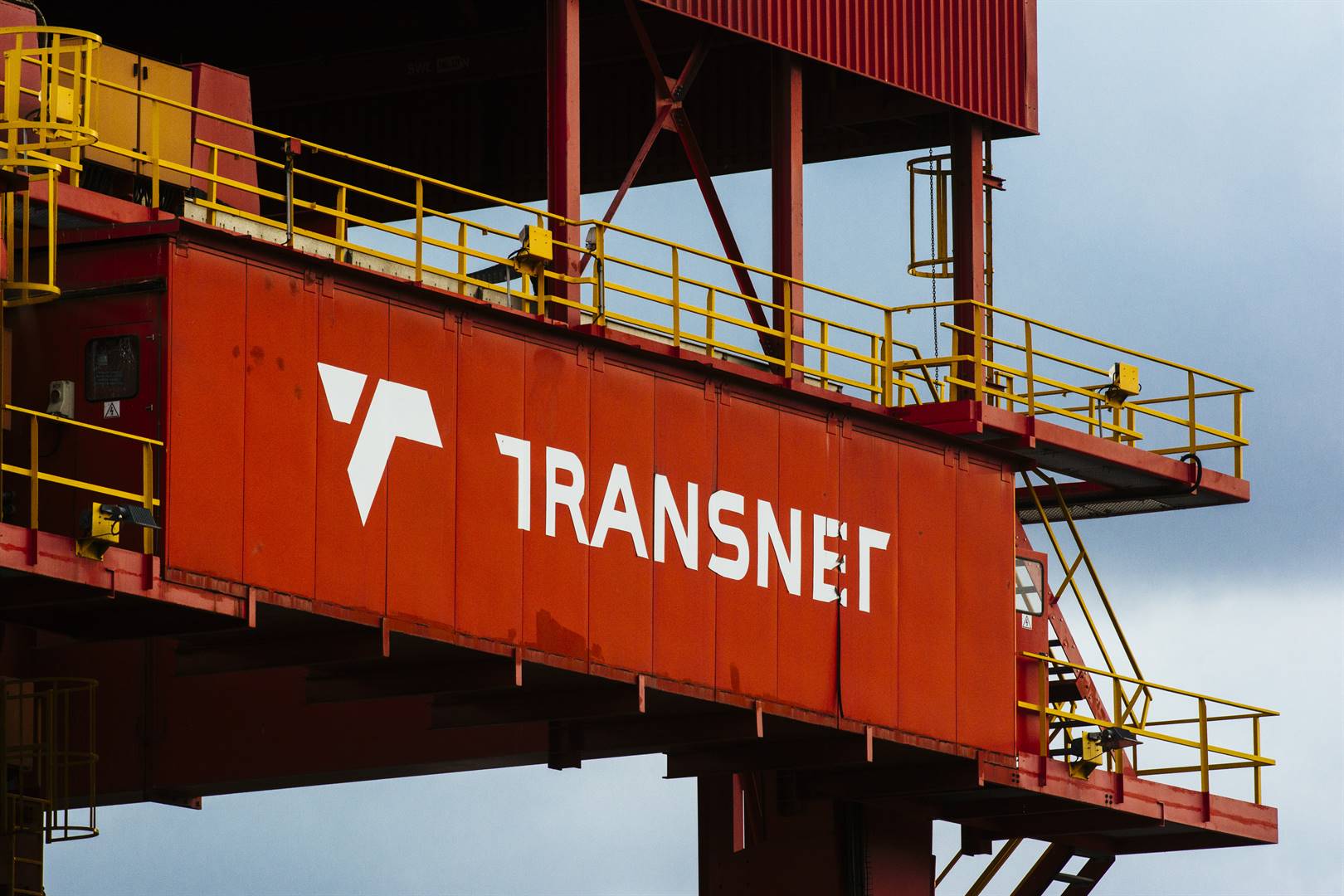
JOHANNESBURG/CAPE TOWN — South Africa’s state-owned logistics giant Transnet has signed a landmark agreement with German crane manufacturer Liebherr to overhaul container operations at some of the country’s busiest ports, including Durban and Cape Town.
The deal includes a 10-year crane supply programme and a 20-year asset-management arrangement, designed to guarantee performance, secure spare-parts supply, and restore reliability across key container terminals that have faced years of equipment shortages and delays.
Scope of the Agreement
Under the partnership, Liebherr will deliver:
- Four new ship-to-shore (STS) cranes for Durban, South Africa’s primary container gateway.
- Forty-eight rubber-tyred gantry (RTG) cranes for deployment across Durban and Cape Town, boosting yard capacity and increasing stacking density.
- A long-horizon asset-management programme ensuring maintenance, repairs, and availability targets are met for two decades.
Transnet confirmed that assembly of the first units is already under way locally, with a phased commissioning plan to minimise disruption to terminal operations.
Why It Matters
South African ports have faced mounting criticism over under-investment and poor reliability, with shipping lines reporting long vessel queues and exporters warning of lost trade opportunities.
By tying equipment delivery to a 20-year service agreement, Transnet aims to eliminate the chronic breakdowns and spare-parts shortages that have slowed productivity and cost the economy billions. The investment is expected to increase berth productivity, reduce truck congestion, and cut costly vessel demurrage charges.
Official Statements
Transnet Port Terminals Chief Executive Jabu Mdaki described the agreement as “a turning point for South African port operations.”
“This strategic collaboration empowers us to significantly boost operational efficiency, streamline port logistics, and reduce long-term operating costs. It ensures that we no longer suffer from erratic equipment availability, which has been a major cause of congestion.”
Transnet said the Liebherr programme forms part of its wider turnaround strategy, which also includes operational reforms, workforce training, and targeted investment in key corridors to restore confidence among global carriers.
The Bigger Picture
Durban’s Pier 1 and Pier 2 terminals have been under intense pressure, with ageing equipment and weather stoppages causing delays to mainline services. Cape Town has faced seasonal backlogs that disrupted the country’s lucrative fruit export season.
The arrival of modern STS cranes will allow Durban to handle larger vessels more quickly, while new RTGs will make it possible to run taller stacks and higher yard throughput without sacrificing truck turnaround times.
The decision to lock in asset management for 20 years is seen by analysts as a major step forward, creating a single point of accountability for performance and ensuring a steady supply of spares — a frequent stumbling block in the past.
Challenges Ahead
Installing heavy equipment in live terminals will require precise planning to avoid productivity dips during the transition. Port managers must also improve operational discipline, safety protocols, and coordination with trucking and rail services to ensure the new capacity translates into real performance gains.
Weather remains another challenge — high winds at Cape Town can still halt crane operations, and the true test will be whether improved equipment availability shortens recovery times after stoppages.
What to Watch
Over the next 12 to 24 months, stakeholders will be monitoring:
- Delivery milestones for the four STS cranes and the rollout of 48 RTGs.
- Productivity metrics, including crane moves per hour and vessel turnaround times, especially during peak export seasons.
- Equipment uptime, with Liebherr expected to meet strict availability targets under the asset-management agreement.
Strategic Importance
This agreement is a central pillar of South Africa’s logistics recovery plan and a signal to global shipping lines that the country is serious about restoring its ports to world-class standards. If executed successfully, the deal could transform Durban and Cape Town into faster, more reliable hubs, reducing shipping costs and improving South Africa’s competitiveness in global trade.
The coming years will determine whether this landmark partnership delivers on its promise — but for now, the deal marks one of the boldest steps yet in modernising the country’s maritime infrastructure.
About Maritime Context News
Maritime Context News (MCN) is your trusted source for authoritative maritime, shipping, and logistics news across Africa and beyond. We bring you verified, industry-backed reporting, expert commentary, and analysis that matters to shipowners, charterers, insurers, and port stakeholders.
For news tips, collaborations, and advertising:
Maritime Context News (MCN)
Mombasa, Dar es Salaam, Dakar, Durban, Dubai, Singapore
newsroom@maritimecontext.com
www.maritimecontext.com
