

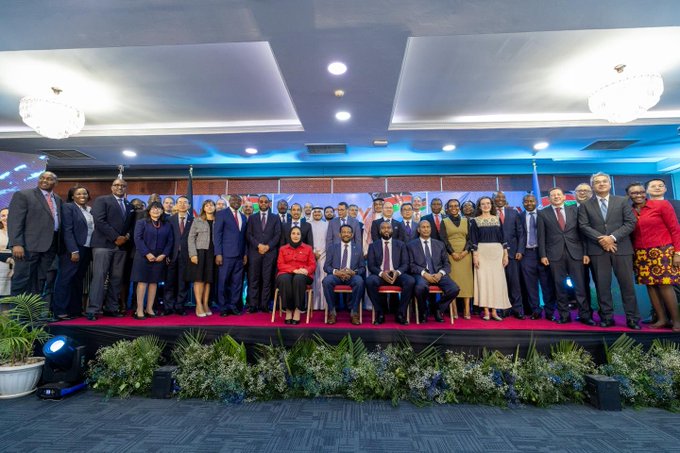
Kenya’s recent announcement that it seeks re‐election to the International Maritime Organization (IMO) Council under Category C for the 2026–2027 term marks an important juncture—not just for the country’s maritime ambitions, but for the broader effort to strengthen Africa’s voice in global maritime governance. The campaign, officially launched on 12 September 2025 by the State Department for Foreign Affairs, led by the Cabinet Secretary for Mining, Blue Economy & Maritime Affairs, Ali Hassan Joho, is grounded in sound strategic thinking. But success is neither assured nor trivial; Kenya must navigate both the technical demands of IMO work and the geopolitics of international maritime institutions.
What Kenya Is Offering—and What It Aims To Do
Kenya’s bid rests on several pillars:
- Maritime Safety & Security: Given the persistent risks in the Western Indian Ocean—including piracy, illicit trafficking, and maritime incidents—Kenya’s commitment to enhancing safety and security is especially timely.
- Environmental Stewardship & Green Innovation: With global pressure mounting over marine pollution, emissions from shipping, and climate change, Kenya is signalling its readiness to participate in—and perhaps lead—initiatives on green shipping, marine conservation, and sustainable practices.
- Capacity Building for Developing States: One of the IMO’s enduring challenges is ensuring that smaller states or those with less developed maritime infrastructure are not left behind. Kenya’s focus here aligns with broad expectations that Category C members often represent: bridging the gap between ambition and capability.
- Investing in Infrastructure & Institutions: Kenya’s strategic investments—Port of Mombasa, Lamu Port, the LAPSSET (Lamu Port-South Sudan-Ethiopia-Transport) Corridor, and the Bandari Maritime Academy—strengthen its case. These are not just symbols; they are functional assets that can help deliver regional connectivity, training, and capacity.
These priorities reflect what many stakeholders in the maritime domain expect: that membership on the IMO Council is not just status, but a platform to shape policy, technology adoption, and regulatory norms. Kenya is clearly making the case that it intends to use that platform.
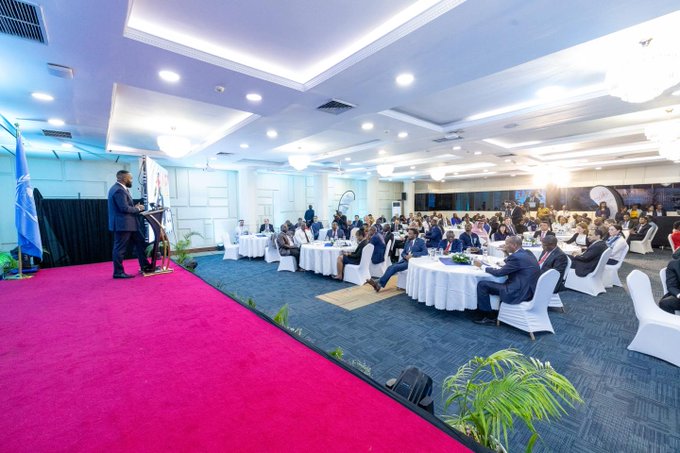
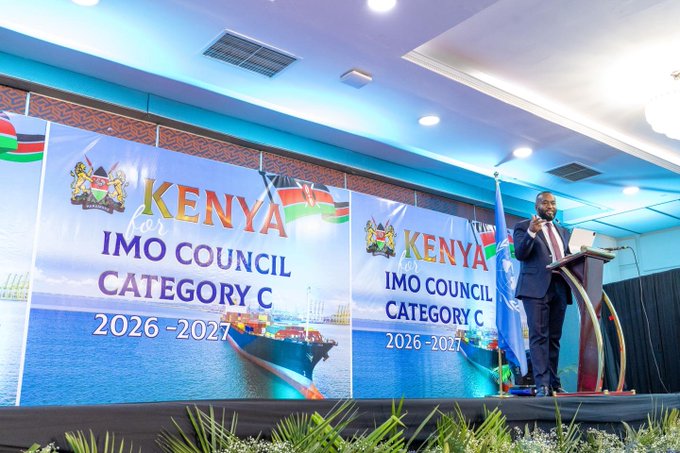
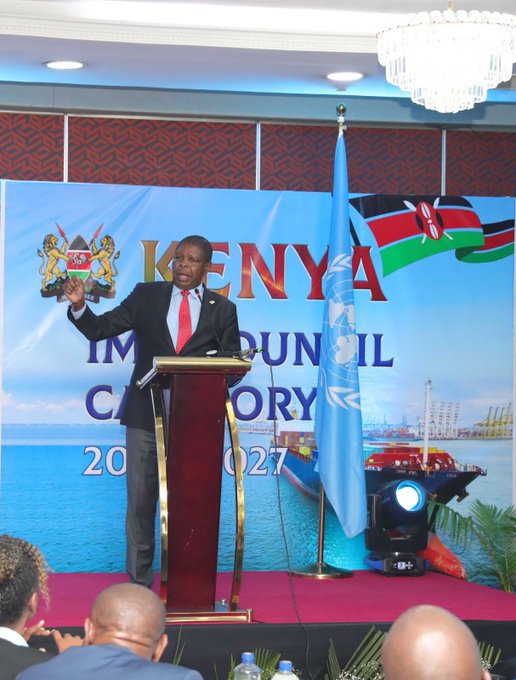
Why This Matters—Both Regionally and Globally
- Amplifying Africa’s Voice: For decades, global maritime governance has been shaped disproportionately by maritime powers, big shipping nations, and states with large fleets. Kenya’s bid is part of a broader pattern: emerging economies, African states in particular, pushing to ensure their interests—coastal states, island economies, landlocked neighbors dependent on maritime trade—are accounted for.
- Blue Economy as a Pillar of Development: Kenya has termed maritime affairs, ports, the blue economy as central to national development—not simply transport nodes. As global trade intensifies, maritime routes and ports become chokepoints or gateways. For East Africa, with growing populations, urbanization, and trade volumes, being “maritime capable” is increasingly essential for economic resilience, food security, and environmental health.
- Geopolitical Leverage and Soft Power: International bodies like IMO are not purely technical; they carry diplomatic weight. Holding a seat means Kenya can build alliances, influence norms (for example, emissions targets, shipping safety rules), and extract benefits (funding, training, technical cooperation). It also conveys legitimacy in regional leadership.
The Challenges Kenya Must Navigate
However well positioned, Kenya must overcome several challenges if the bid is to translate into a successful re‐election and meaningful impact thereafter:
- Competition & Diplomacy: Membership in IMO’s Council is competitive. Kenya must win votes from other member states, many of which will be evaluating not only Kenya’s submitted priorities but its track record, perceived reliability, and ability to deliver. Diplomatic engagement—especially with smaller states—will be key.
- Implementation Credibility: Proposals must be matched by action. Undertaking ambitious maritime safety reforms or environmental regulation is good politics; carrying them out—to IMO standard—is harder. Kenya will need to demonstrate ongoing, measurable implementation of IMO instruments, transparency, and capacity.
- Resource Allocation & Institutional Alignment: Even with political will, implementing green shipping, port safety, environmental protection, and training requires funding, technical expertise, and inter‐agency coordination. The risk is overpromising and underdelivering, which could weaken Kenya’s standing.
- Geopolitical Pressures & Global Norms: As IMO debates intensify over carbon emissions, decarbonization of shipping, regulatory burdens, and environmental protection, Kenya (like many other developing states) may face pressures to align with expensive standards or technologies. Ensuring such standards are fair, and that developing countries are not unduly burdened, will be an ongoing negotiation.
Verdict: A Bid Worth Backing—but Must Translate to Tangible Impact
Kenya’s campaign for re-election to the IMO Council under Category C is more than a political symbolic moment—it is an opportunity. If successful, Kenya could help ensure that maritime governance reflects the needs of coastal and landlocked African states, that the environmental and safety standards set are realistic and implementable, and that blue economy development is pursued responsibly.
But the true test will lie not simply in winning the seat (though that in itself is meaningful), but in what follows: how Kenya utilises the seat, whether it delivers on its promises, how it navigates global expectations versus domestic constraints, and how it leverages regional partnerships.
Given Kenya’s infrastructure investments, diplomatic outreach (including endorsements noted from several envoys), and growing institutional capacity, there is reason for optimism. But optimism anchored in realism: extensive planning, inter‐ministerial coordination, and capacity building must undergird Kenya’s campaign. Otherwise, there is risk that Kenya’s IMO membership becomes more of a badge than a force for influence.
In Conclusion
Kenya’s IMO bid rightly stakes its ambition on maritime safety, environmental sustainability, capacity building, and regional leadership. It aligns with both national interests and urgent global maritime concerns. The road ahead will demand diplomatic finesse, resource mobilisation, and sustained execution. If Kenya can deliver on these fronts, its re-election will not only benefit Kenya but potentially reshape how the Global South, especially African nations, engage in maritime governance.
Tell us What is Happening in Your Area: Contact Maritime Context at: news@maritimecontext.com
