

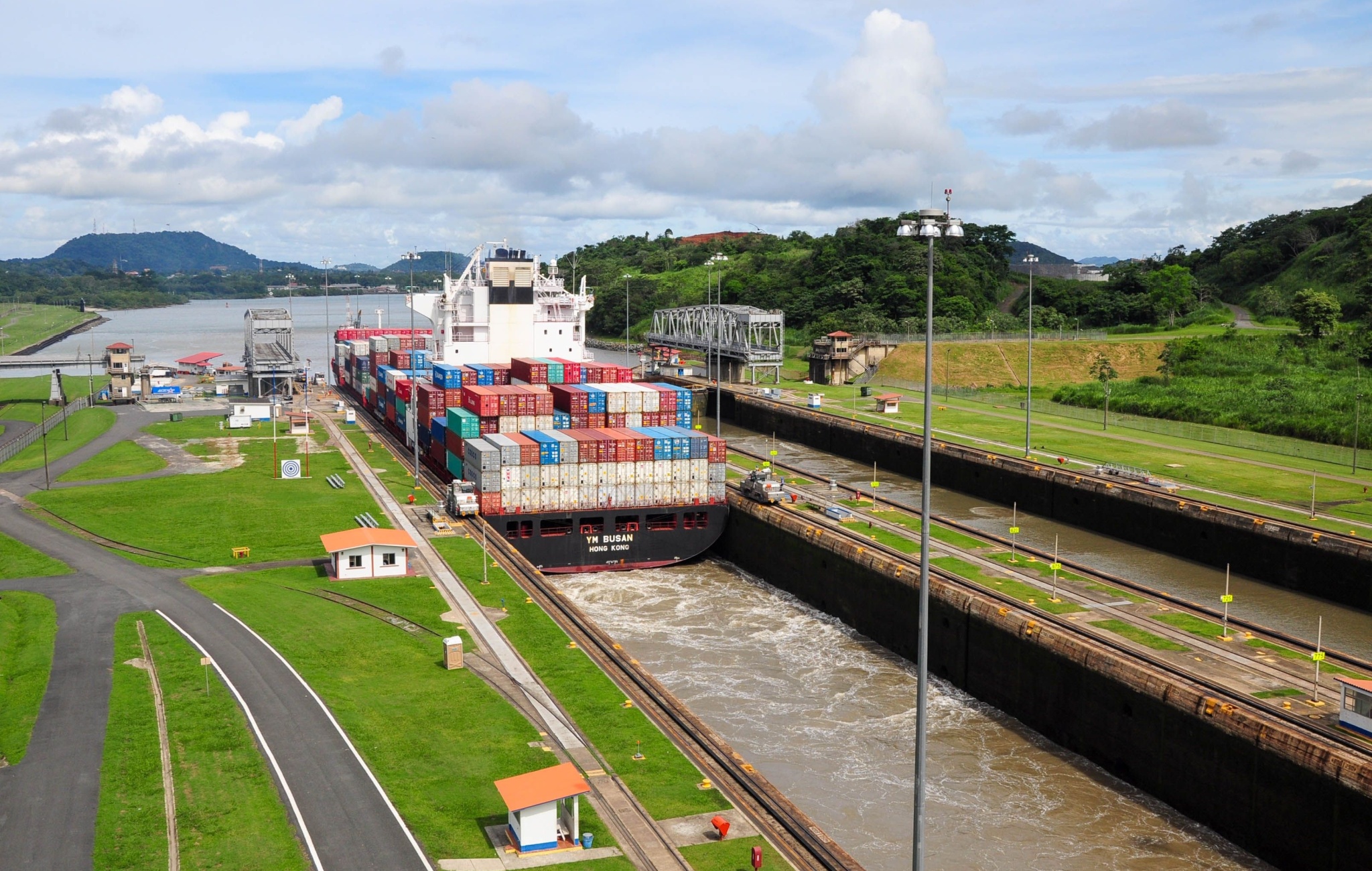
Panama City, Panama – September 2025
The Panama Canal Authority (ACP) has unveiled a major step toward sustainable shipping with the official launch of a “NetZero Slot”, a new category within its transit reservation system designed to accelerate efforts in maritime decarbonization.
The initiative, announced this month, introduces a special transit slot that rewards and prioritizes vessels demonstrating significant emissions reductions, either through the use of alternative fuels, advanced energy-efficient technologies, or verified carbon-neutral operations. According to the ACP, the NetZero Slot is intended to both incentivize shipping lines to adopt cleaner practices and align the Canal’s operations with international decarbonization targets set by the International Maritime Organization (IMO).
“The Panama Canal has long been a strategic waterway for global trade. With the introduction of the NetZero Slot, we reaffirm our commitment to becoming not just a passage between oceans, but also a catalyst for greener shipping,” said Ricaurte Vásquez Morales, Panama Canal Administrator.
How the NetZero Slot Works
The NetZero Slot will be available as an additional option in the Canal’s existing reservation system. Carriers that meet the ACP’s emissions criteria will be able to reserve this slot, which offers advantages such as:
- Priority Transit: Reduced waiting times compared to conventional slots.
- Operational Recognition: Certification of the vessel’s low-carbon transit.
- Visibility in Global Supply Chains: Allowing shipping lines to demonstrate compliance with ESG goals and decarbonization benchmarks.
The ACP has indicated that eligibility will be verified using standardized emissions reporting mechanisms, including compliance with IMO’s Carbon Intensity Indicator (CII) and other international frameworks.
Supporting Global Decarbonization Goals
The NetZero Slot initiative aligns with global industry trends as shipping companies, port operators, and regulators push toward net-zero emissions by 2050. By creating an incentive structure, the Canal hopes to foster early adoption of clean fuels such as LNG, methanol, ammonia, and biofuels, while also encouraging the integration of technologies like wind-assist propulsion and onboard carbon capture.
The ACP emphasized that its strategy reflects Panama’s broader ambition to remain competitive as a maritime and logistics hub. “Decarbonization is no longer optional; it is the future of shipping,” the authority noted in its announcement.
Economic and Environmental Impact
The Panama Canal handles around 14,000 vessel transits per year, representing nearly 5% of global maritime trade. According to ACP projections, if just 10% of annual transits opt for the NetZero Slot in the program’s first three years, the Canal could help reduce an estimated 500,000 to 700,000 metric tons of CO₂ annually.
Beyond emissions reduction, the program could yield economic incentives for carriers. Faster transit times and reduced delays mean lower fuel consumption, potentially saving ship operators millions of dollars in operating costs each year. Additionally, carriers demonstrating compliance with the NetZero Slot may strengthen their access to green financing and improve their attractiveness to cargo owners seeking low-carbon supply chain partners.
Analysts suggest that, by embedding environmental incentives into its commercial structure, the Canal is not only ensuring its long-term competitiveness but also positioning itself as a benchmark for other critical maritime gateways.
Industry Reaction
Initial responses from industry stakeholders suggest cautious optimism. Major shipping lines operating through the Panama Canal, including container, LNG, and car carrier segments, are expected to evaluate the cost-benefit of securing NetZero Slots as part of their wider emissions reduction strategies. Analysts note that, beyond reputational gains, faster transit times and preferential scheduling could provide tangible commercial benefits to early adopters.
Strategic Significance
The Panama Canal has a long history of shaping maritime trade practices. Its ability to influence shipping through pricing, slot allocation, and new programs such as the NetZero Slot underscores its role as both a trade facilitator and an environmental leader.
By integrating decarbonization incentives directly into its operational framework, the Canal not only reinforces its relevance in the energy transition era but also sets a precedent that could inspire other global chokepoints and ports to adopt similar sustainability measures.
About the Panama Canal
The Panama Canal, inaugurated in 1914, remains one of the most vital waterways in global trade, linking the Atlantic and Pacific Oceans. Operated by the Panama Canal Authority since 1999, the Canal continues to adapt to evolving shipping demands through expansion projects, operational modernization, and environmental sustainability initiatives.
Tell us What is Happening in Your Area: Contact Maritime Context at: news@maritimecontext.com
