

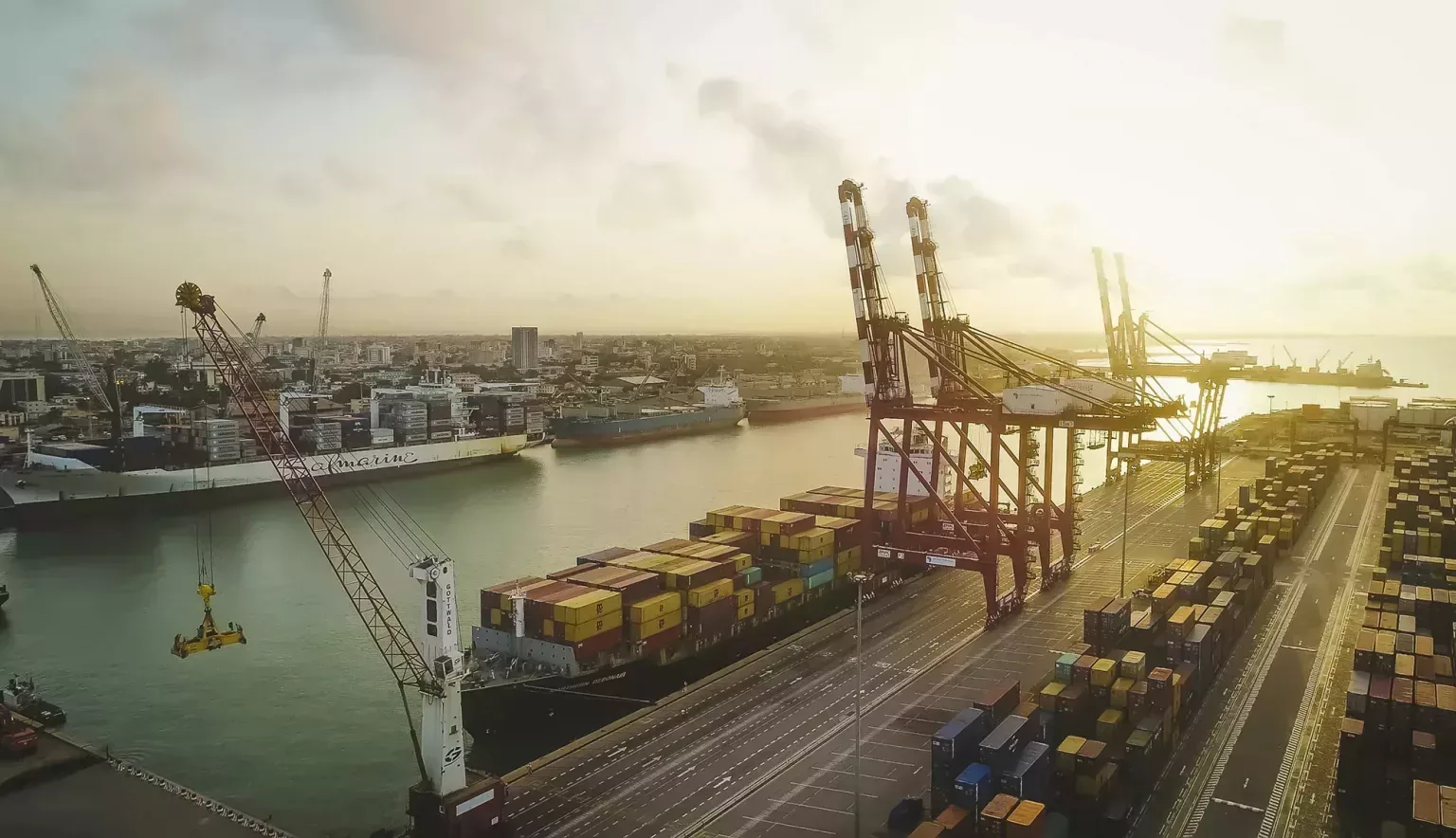
Cotonou, Benin – The Autonomous Port of Cotonou (PAC) has launched an ambitious modernization programme aimed at transforming the facility into a state-of-the-art maritime gateway for West Africa. The initiative is designed to enhance efficiency, boost cargo handling capacity, and secure Cotonou’s position against rising competition from neighboring ports.
The port, which already serves as a key entry and exit point for trade with Niger, Burkina Faso, and northern Nigeria, is targeting both infrastructure upgrades and digital transformation to meet growing demand in the region.
Strategic Infrastructure Upgrades
As part of the modernization plan, PAC is investing in:
- Berth Expansion and Rehabilitation – Extending and strengthening quays to accommodate larger vessels, including Post-Panamax containerships.
- Container Yard Expansion – Increasing storage and operational space to manage higher container volumes and reduce congestion.
- Bulk Cargo Facilities – Improving dedicated terminals for liquid bulk (notably petroleum products) and dry bulk commodities such as clinker, cement, and grains.
- Hinterland Connectivity – Coordinating with national authorities to rehabilitate road corridors and advance plans for rail integration, ensuring smoother cargo movement to landlocked neighbors.
Digitalisation and Efficiency Drive
A major pillar of the plan involves the adoption of advanced digital solutions. The port has introduced an electronic single-window system for customs and clearance procedures, reducing bureaucracy and shortening dwell times. Automation of gate operations and cargo tracking is also being rolled out to increase transparency and predictability for shippers.
According to PAC officials, these initiatives are expected to cut container dwell times significantly, a critical factor for retaining transit trade flows in a region where efficiency directly influences route selection by carriers and traders.
Responding to Regional Competition
Cotonou faces mounting pressure from rival ports in Lomé, Tema, and Abidjan, which have each embarked on major expansion projects. Lomé, in particular, has gained ground as a transshipment hub due to its deep-water berths and investments by international terminal operators.
In response, Benin’s government has reaffirmed its commitment to positioning Cotonou as a specialized gateway port, capitalizing on its geographic advantage and strong hinterland demand. By modernizing infrastructure and digitizing services, officials say Cotonou can retain and expand its market share, especially for Niger and Burkina Faso’s transit cargo.
Economic Impact
The modernization programme is expected to generate thousands of direct and indirect jobs, while lowering logistics costs for importers and exporters. Analysts note that improved efficiency at Cotonou could reduce transit delays, making Beninese corridors more competitive against alternative routes through Ghana or Togo.
“Ports are now judged not only on capacity but also on speed, transparency, and cost-effectiveness. Cotonou’s modernization will go a long way in keeping the port relevant in the evolving West African trade landscape,” said a regional logistics consultant.
Outlook
With the modernization plan already underway, Cotonou Port aims to raise its annual throughput capacity and position itself as a smart, competitive, and resilient hub. If successfully implemented, the project will reinforce Benin’s role as a strategic maritime link between the Gulf of Guinea and the landlocked economies of the Sahel.
Tell us What is Happening in Your Area: Contact Maritime Context at: news@maritimecontext.com
