

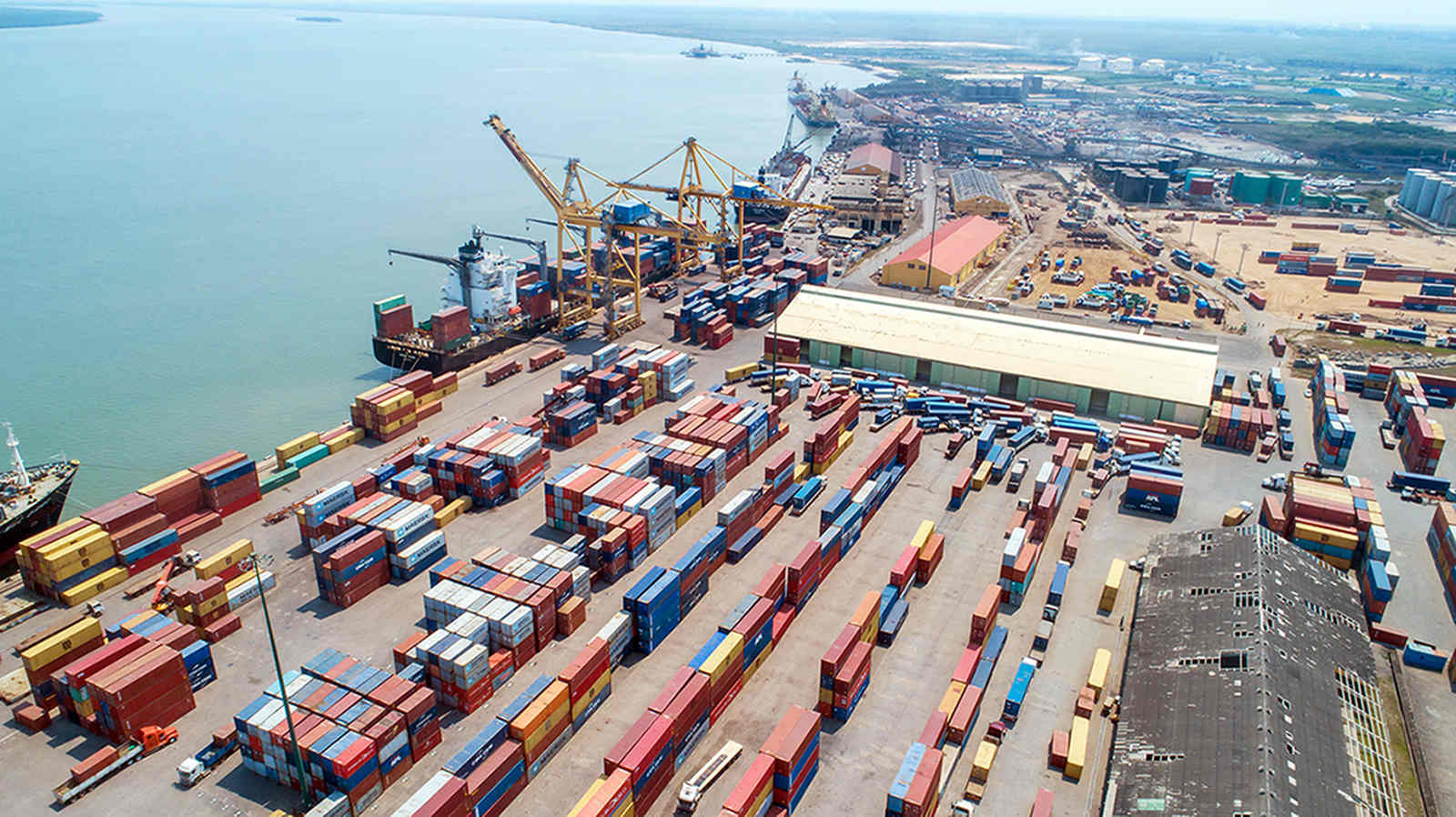
Beira, Mozambique – In a strategic move that underscores the growing importance of digital infrastructure in African maritime logistics, Sedna Africa, in partnership with Nokia, has begun the deployment of a dedicated private mobile network at the Port of Beira. The initiative, undertaken in close collaboration with terminal operator Cornelder de Moçambique, marks one of the most ambitious digitalization projects for Mozambique’s second-largest port and one of Southern Africa’s most critical trade gateways.
A Strategic Trade Hub Undergoing Modernization
The Port of Beira has long served as a vital maritime artery for both Mozambique and its landlocked neighbors — Zimbabwe, Malawi, Zambia, and parts of the Democratic Republic of Congo. Its geographical location makes it a preferred gateway for regional exports and imports, particularly in the agriculture, mining, and fuel sectors. However, like many African ports, Beira has faced operational bottlenecks due to legacy communication systems, fragmented data flows, and limited adoption of advanced automation technologies.
The new private mobile network is designed to tackle these structural challenges head-on, providing reliable, secure, and high-capacity wireless connectivity that will serve as the backbone for modern port operations.
Technology Backbone: Nokia-Powered Private LTE
The network will be built on Nokia’s industry-grade private LTE solution, offering high throughput, low latency, and coverage across both indoor and outdoor terminal areas. Unlike conventional public mobile networks, which are subject to bandwidth competition and unpredictable performance, a mobile private network (MPN) offers guaranteed availability and quality of service for mission-critical operations.
This infrastructure will enable the integration of technologies that until now were difficult to sustain in Beira’s environment, including:
- Automation of cargo handling equipment such as cranes, stackers, and reach stackers, improving both efficiency and safety.
- AI-driven monitoring systems capable of real-time asset tracking and predictive analytics.
- Smart logistics applications, including electronic documentation, real-time scheduling, and optimized container routing.
- IoT-enabled maintenance systems, with fibre-optic sensors detecting anomalies like excessive wear, overheating, or fire hazards in key machinery.
According to Sedna Africa, these systems are designed not only to boost productivity but also to minimize downtime, improve worker safety, and reduce operational costs.
A Shift in Industrial Focus for Sedna Africa
Sedna Africa has traditionally specialized in digital solutions for the mining industry, where it developed deep expertise in connecting complex, heavy-duty industrial environments. The Beira deployment represents a strategic diversification into the port and maritime logistics sector, opening new avenues in oil and gas, transportation, and large-scale manufacturing.
“This is more than a connectivity project; it is a transformation initiative,” said Sedna Africa executives during the project’s announcement. “By integrating Nokia’s proven private network technology with our fibre-optic sensing capabilities, we are establishing a benchmark for how African ports can embrace Industry 4.0 principles.”
Benefits for Mozambique and the Region
The modernization of Beira’s digital infrastructure is expected to generate far-reaching economic and strategic benefits:
- For Mozambique: Enhances the port’s competitiveness against regional rivals like Durban, Walvis Bay, and Dar es Salaam, potentially attracting new shipping lines and investors.
- For Landlocked Neighbors: Provides faster, more reliable access to global markets, reducing logistics costs for exporters in Zimbabwe, Malawi, and Zambia.
- For Regional Trade: Strengthens the Southern African Development Community (SADC) logistics chain, positioning Beira as a more reliable alternative corridor.
- For Employment: While automation can raise concerns about job displacement, the project is expected to create demand for skilled digital and technical roles, supporting workforce upskilling in Mozambique’s maritime sector.
Industry Significance
Globally, ports have been at the forefront of adopting private wireless networks, with successful deployments already operational in Europe, the Middle East, and Asia. These networks underpin automation projects that are now viewed as essential to competitiveness in a shipping industry increasingly shaped by real-time visibility, digital twins, and AI-driven logistics orchestration.
For Africa, however, such projects are still in their infancy. The Beira initiative places Mozambique among the first movers in the continent, sending a strong signal that African ports are ready to adopt advanced industrial connectivity solutions.
Project Timeline and Outlook
Installation of the network is already underway, with completion scheduled in the coming months. Once operational, Beira will have the capability to support not just current operations but also future digital upgrades — from fully automated terminal equipment to AI-supported cargo flow optimization.
Industry observers note that the success of this deployment could set the stage for replication in other regional ports, particularly those under similar modernization pressure such as Maputo, Nacala, and Lobito.
Conclusion
The partnership between Sedna Africa, Nokia, and Cornelder de Moçambique is more than a technology rollout; it is a strategic bet on the future of African port logistics. By combining cutting-edge private mobile network infrastructure with advanced sensing and monitoring solutions, the Port of Beira is positioning itself as a digital leader in the region.
For Mozambique, the project could mark a turning point — shifting the narrative from a port struggling with legacy systems to one that serves as a digitalized, efficient, and competitive maritime gateway for Southern Africa.
Stay with us for verified, expert, and on-the-ground maritime journalism.
Contact: news@allinmaritime.com
Tel: +27 063 069 1191
Offices: Durban | Lagos | Abidjan | Dakar
All in Maritime News — Your Source for Maritime Intelligence
