

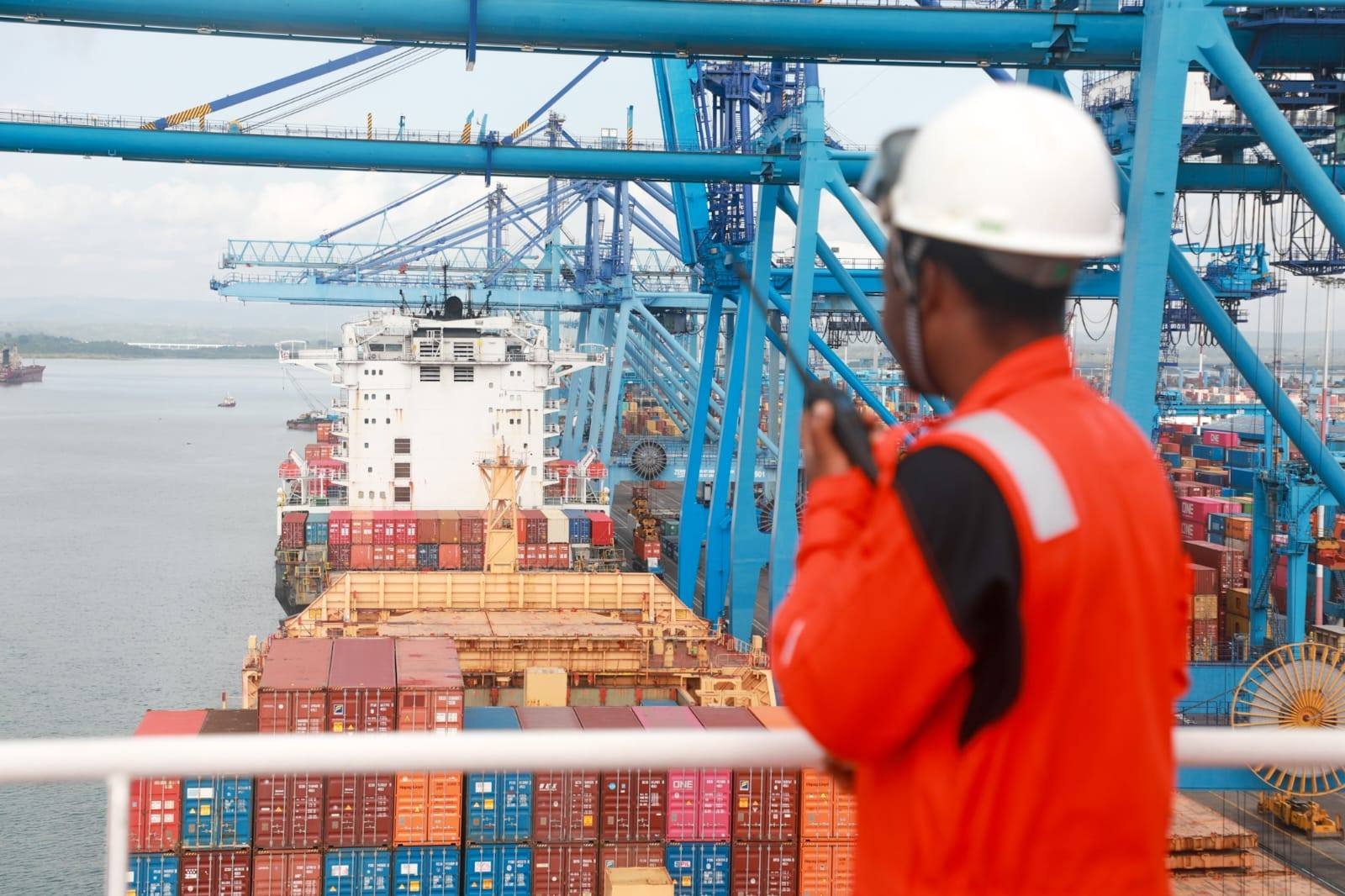
On the bustling coastline of Mombasa, the heartbeat of East Africa’s maritime trade is always in motion—towering cranes swinging overhead, trucks rumbling in and out, and vessels from across the globe docking in steady rhythm. But beneath the surface efficiency lies a quieter, stubborn problem: long-stay containers and condemned cargo occupying valuable yard space.
This week, the Kenya Ports Authority (KPA) issued a fresh ultimatum to shipping lines, remove or destroy idle and damaged containers within 14 days, or face having them disposed of at the owners’ expense. The order, issued on 31 July 2025 by Managing Director Capt. William Ruto, follows a comprehensive yard audit that revealed dozens of such units still lying unattended.
“The clean-up exercise aims to free yard areas and maximise the use of all spaces to enhance safe and efficient operations and service delivery,” the notice stated.
Industry professionals say such measures are inevitable. According to Amos Katana, a marine surveyor at Observater Surveys and Services Limited, the buildup of abandoned cargo is more than just a space issue—it’s a safety and operational risk.
“When containers overstay in the yard, they disrupt cargo flow, increase handling risks, and tie up resources that should be serving active trade,” Katana explains. “From a surveyor’s perspective, clearing them is both a safety measure and an economic necessity.”
The High Cost of Doing Nothing
At first glance, a few idle containers may seem harmless. But in the high-volume environment of a port, space is a premium commodity. Every square metre taken up by abandoned cargo is space that could have been used for fresh imports, exports, or trans-shipment activities.
Congestion is not just an inconvenience, it’s an economic bottleneck. Slow turnaround times can drive up logistics costs, affect shipping schedules, and even prompt shipping lines to reconsider port calls.
Not a New Battle
KPA’s latest notice is far from the first of its kind. In April 2024, a similar directive was issued, targeting idle vehicles, empty containers, and disused machinery scattered across the yard. The message was clear: reclaim space or risk financial penalties.
Beyond Kenya, this challenge is mirrored in other major ports:
- Nigeria’s Apapa Port recently grappled with over 4,800 abandoned export containers, some left for years. Authorities had to coordinate mass evacuations to free space for active trade.
- The Kenya Revenue Authority has auctioned thousands of long-stay containers, some abandoned for over a decade, after owners failed to claim them even when given waivers on storage charges.
In each case, the reasons for abandonment vary: unpaid customs duties, unresolved disputes between shippers and consignees, and in some instances, cargo condemned by health or safety regulators.
The Life Cycle of a “Dead” Container
Long-stay containers fall into two broad categories. First are the empty units, often victims of imbalanced trade flows. Kenya imports far more than it exports, leading to a surplus of empty containers that are costly to reposition to ports where they’re needed. Second are the damaged or condemned containers, where structural wear or cargo contamination makes them unfit for further use.
Port operators sometimes offer grace periods for owners to collect or repair such units. But when deadlines lapse, the costs, both operational and environmental, outweigh the benefits of waiting.
The Legal Backing
KPA’s authority to destroy or remove idle property comes from the Kenya Ports Authority Act, which empowers it to dispose of unclaimed or unsafe goods. In this case, the 14-day window is a statutory safeguard, giving owners fair warning before irreversible action is taken.
Stakeholder Impact
For shipping lines, failure to act within the deadline means footing the bill for destruction or removal, expenses that can run into thousands of dollars. For importers, there’s the risk of losing valuable cargo if disputes or clearance delays aren’t resolved quickly.
Yet, for port efficiency, such exercises are vital. Clearing old stock opens up much-needed space, reduces accident risks, and streamlines cargo handling, keeping trade flowing in a region where delays can ripple across supply chains from Dar es Salaam to Kigali.
Looking Ahead
Mombasa is not alone in this balancing act. As global trade grows and vessel sizes increase, ports worldwide are rethinking how to manage their storage areas. Digital tracking, stricter timelines, and early intervention are becoming standard tools to prevent containers from overstaying their welcome.
For now, the clock is ticking in Mombasa. By 14 August 2025, any long-stay container still gathering dust in the yard will be gone, whether its owner agrees or not.
Stay with us for verified, expert, and on-the-ground maritime journalism.
Contact: news@allinmaritime.com
Tel: +27 063 069 1191
Offices: Durban | Lagos | Abidjan | Dakar
All in Maritime News — Your Source for Maritime Intelligence
