

August 1, 2025 | Nairobi
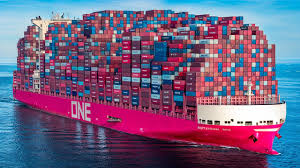
Global ocean freight markets are experiencing a sharp downturn as container rates plummet and shipping volumes soften earlier than expected. The shift follows a wave of frontloading by U.S. importers ahead of anticipated tariff hikes, disrupting the normal rhythm of the summer peak season.
Spot rates on major Asia–U.S. trade lanes have dropped steeply over the past six weeks. Shipping data shows that rates to the U.S. West Coast, which peaked at over $6,000 per forty-foot container in early June, have since fallen to around $2,300. East Coast rates also declined significantly but remain above $4,000 per FEU.
This rapid decline comes at a time when rates would traditionally be climbing, driven by retail and manufacturing orders ahead of back-to-school and holiday sales. Instead, much of that demand was pulled forward into May and June, as importers sought to avoid higher duties on Chinese goods.
The U.S. government’s temporary tariff relief, which began in May and is expected to expire this August, prompted a surge of inbound cargo during the second quarter. As a result, many supply chains are now sitting on excess inventory, reducing the need for further imports during what is usually the busiest shipping season.
Shipping lines ramped up capacity in response to the earlier demand, but now face overcapacity as volumes recede. Carriers have begun blanking sailings and reducing service frequencies in an effort to rebalance supply and demand on transpacific routes.
Some major operators have already revised their earnings forecasts downward for the year, citing market softness and the unexpected timing of the demand downturn. Logistics analysts warn that unless there is a surprise rebound in U.S. consumer demand or a new wave of urgent orders, shipping volumes may remain subdued through the final quarter of 2025.
“The market is reacting to a mismatch between supply chain timing and political uncertainty,” said Ms. Hadija Ashley, a logistics specialist at Observater Surveys and Services Limited. “We are seeing the consequences of reactive shipping strategies—frontloading without a buffer plan has disrupted the traditional flow and stressed key routes.”
With the market still adjusting to shifting trade dynamics, forwarders and carriers alike are reevaluating strategies. Some are exploring alternative sourcing regions beyond East Asia, while others are reworking contract terms to better reflect volatility in rates and policy-driven surges.
The months ahead are likely to test the adaptability of global supply chains. For now, the traditional peak season appears to have come and gone well before August arrived.
