

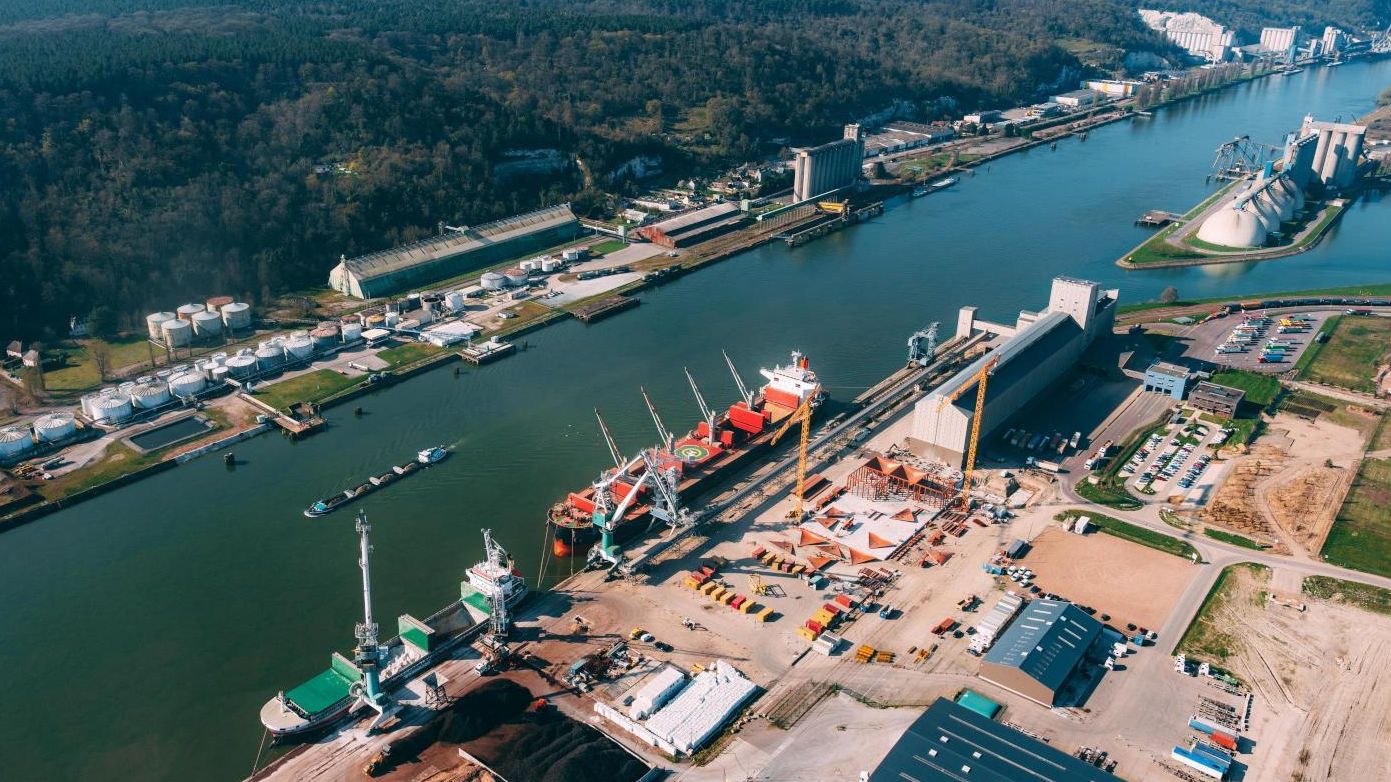
Paris, July 26, 2025 — Grain exports from France’s HAROPA Port have dropped by over 40 percent this year, marking one of the most severe declines in recent decades and raising concerns about global food supply dynamics. The drop comes amid what analysts describe as France’s worst wheat harvest in more than 40 years.
According to port authorities, cereal shipments through Rouen — part of the HAROPA Port complex which includes Le Havre and Paris — fell from 8.7 million tonnes in the previous season to just 5.2 million tonnes. Officials blame the decline on a combination of climate-related challenges, including prolonged drought followed by untimely rain that damaged both the quality and quantity of the crop.
FranceAgriMer, the French agriculture board, estimates that soft wheat exports to non-EU markets will hit their lowest point this century, at just 3.5 million tonnes. That shortfall is having a noticeable effect on traditional buyers of French wheat, including Morocco, Algeria, Egypt, and West African nations, many of which are now seeking alternative suppliers.
The export plunge is shifting the balance of global grain trade, with Black Sea exporters — particularly Russia, Ukraine, and Romania — gaining ground. These countries have enjoyed strong harvests and lower shipping costs, making them increasingly attractive to buyers squeezed by the reduced French output.
China, once a significant destination for French grain, sharply cut its imports to just 0.38 million tonnes this season, down from 2.5 million last year. At the same time, strained diplomatic relations between France and Algeria have further limited opportunities in the North African market, exacerbating France’s export woes.
Domestically, the reduced export activity is putting pressure on French farmers, who are already grappling with low incomes and surplus grain stockpiles. Analysts warn that unless market access improves, many producers could struggle to remain viable, leading to further protests and political pressure on the French government to support the sector.
Despite the setbacks, HAROPA Port is looking ahead with cautious optimism. A new grain silo, capable of storing 70,000 tonnes, is set to open in 2026 to help improve handling capacity. Investments in larger berths and modern loading systems are also expected to improve efficiency and support export recovery, assuming harvest conditions improve.
The poor French output comes at a time when global food supply chains remain vulnerable, and any significant disruption — whether from weather, war, or policy — can quickly affect global prices. While consumers in some regions may benefit from access to cheaper Black Sea wheat, others, particularly in Africa and the Middle East, could face temporary shortages or higher prices depending on how quickly they can secure alternative supply contracts.
Agricultural analysts say the full impact of the HAROPA decline will unfold over the coming months, especially as global buyers adjust their procurement strategies and countries compete for affordable, high-quality grain.
All in Maritime News will continue tracking the regional security situation and its impact on international shipping and labor dynamics.
Stay with us for verified, expert, and on-the-ground maritime journalism.
Contact: news@allinmaritime.com
Tel: +27 063 069 1191
Offices: Durban | Lagos | Abidjan | Dakar
All in Maritime News — Your Source for Maritime Intelligence
