

By All in Maritime News | Abidjan, Côte d’Ivoire
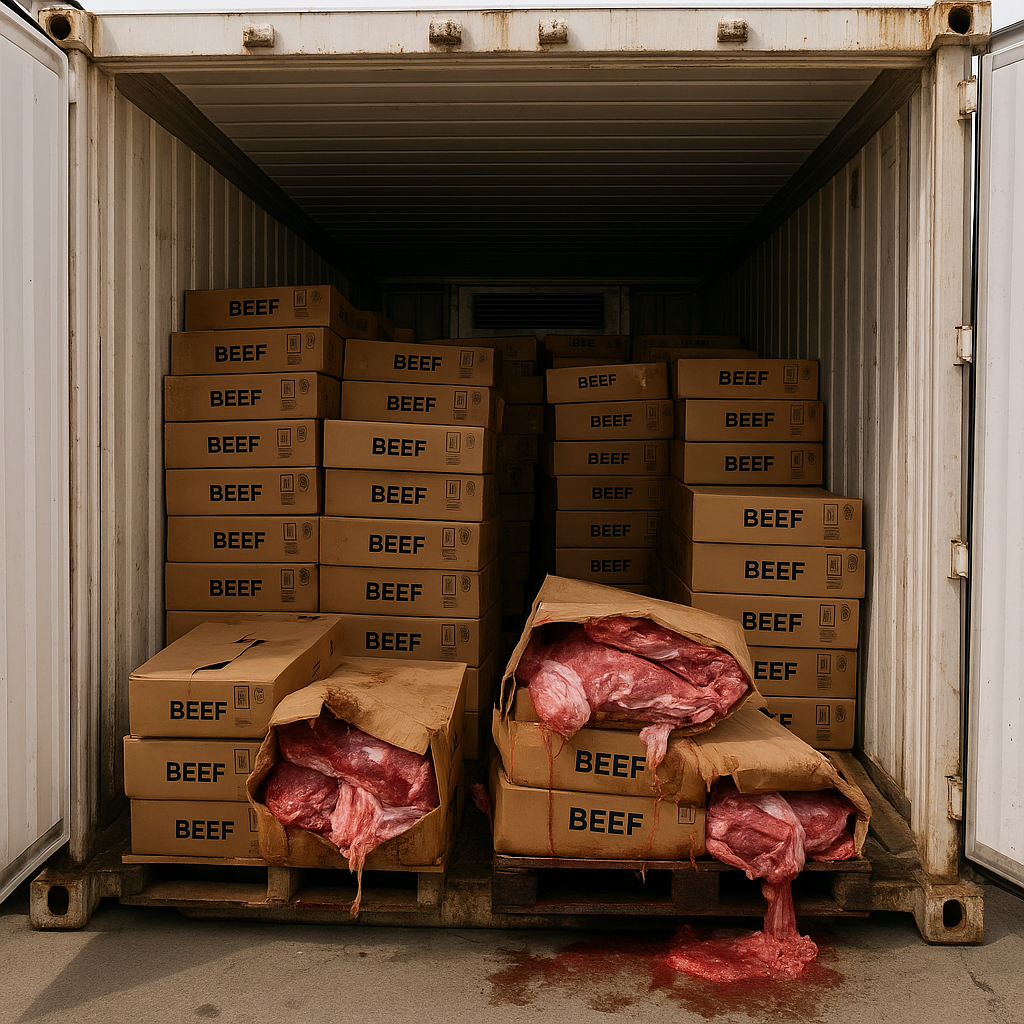
Perishable cargo trade is booming across Africa, with exports of fish, fruit, meat, and pharmaceuticals rising year-on-year. But as volumes grow, so do disputes—particularly around refrigerated cargo (reefer) claims, where damage or quality loss often results in high-value insurance cases.
Despite improved cold chain infrastructure in key ports, reefer claims remain among the most contested and expensive marine insurance categories in Africa. This investigative feature explores the real risks, systemic failures, and how industry players like Observater Surveys and Services Ltd are tackling the cold chain crisis with science-backed inspections.
1. The Stakes: Why Reefer Claims Matter
Perishable cargo losses are costly:
- A 2024 UNCTAD report estimated annual losses from spoiled African perishable exports at $4.3 billion, with reefer claims accounting for over 35% of marine cargo disputes filed in Sub-Saharan Africa.
- High-risk sectors include:
- Fresh seafood (e.g., tuna, Nile perch, lobster).
- Tropical fruits (e.g., mangoes, avocados, pineapples).
- Meat and poultry.
- Vaccines and pharmaceuticals.
“A single compromised reefer container can mean $100,000 in lost value,” says Léon Diabaté, Senior Claims Manager at Afrique Maritime Underwriters.
2. The Real Causes: Beyond Temperature Alarms
While temperature fluctuations are often blamed, root causes of reefer claims in Africa include:
- Poor pre-shipment inspections: Mold, decay, or bruising present at loading are often overlooked.
- Faulty calibration of reefer units: Units may run, but fail to maintain correct temperature bands.
- Power failures during transit or port stays, particularly during customs delays.
- Manual defrosting or human interference, which affects airflow and temperature uniformity.
- Tampering and pilferage, often disguised as equipment malfunction.
“We’ve documented reefer doors opened mid-voyage for unauthorized offloading of premium cuts,” reports Eng. Daniel Esilaba, Cargo Surveyor, Loss adjuster and Managing Director at Observater Surveys and Services Ltd.
3. Where the Cold Chain Breaks: African Realities
Ports:
- Dar es Salaam, Abidjan, and Mombasa still suffer from intermittent reefer plug shortages and power fluctuations.
- Not all port reefer yards are equipped with 24/7 generator backup or smart plug monitoring.
Inland Transport:
- Road congestion, non-refrigerated container swaps, and driver tampering are common on corridors like:
- Mombasa–Kampala
- Lagos–Kano
- Durban–Harare
“Some hauliers unplug reefers to save fuel or bypass tolls, exposing cargo to heat damage,” says Janet Obong’o, Cold Chain Logistics Consultant, Nairobi.
4. The Documentation Gap: Proof or Peril
Insurers often deny claims due to:
- Lack of continuous temperature loggers.
- No photographic evidence of loading conditions.
- Conflicting timestamps or port documents.
- Absence of pre-shipment survey reports.
“In over 50% of rejected reefer claims, the root issue is poor documentation—not the actual fault,” says Diabaté.
5. Observater’s Cold Chain Protocol: A Model of Accountability
To address rising reefer disputes, Observater Surveys and Services Ltd has implemented a Cold Chain Integrity Protocol (CCIP) for perishable exports across East, West, and Southern Africa.
Features include:
- Pre-shipment visual, microbiological, and packaging inspection.
- Certified calibration checks on reefer units.
- GPS and time-synced digital thermologgers.
- Tamper-evident door seals and load stability monitoring.
- Cargo Damage Surveys at Ports of entry and consignee warehouses across Africa
- Final survey with AI-verified cargo photos and offload temperature review.
“We work with insurers, P&I clubs, and exporters to make reefer cargo traceable, verifiable, and insurable,” says Esilaba.
This protocol is now in active use for:
- Fresh fish exports via Mombasa, Tema, and Walvis Bay.
- Chilled fruit shipments from Tanzania, Kenya, and Côte d’Ivoire.
- Temperature-sensitive pharma exports from South Africa to East Africa.
6. A Call to Action: Shared Risk, Shared Data
To reduce reefer disputes, experts call for:
- Mandated use of independent pre-shipment and discharge surveys.
- Shared cloud access to voyage thermologs and shipment metadata.
- Port investment in smart reefer monitoring systems.
- Cross-border reefer logistics training for hauliers and forwarders.
“Cold chain breakdowns are a shared failure. We need verification, not blame games,” warns Obong’o.
Conclusion: Cool Heads and Clear Records
Reefer cargo claims in Africa don’t need to be a crisis. With technology, expertise, and collaboration, most losses are preventable—or provable.
As a trusted regional leader, Observater Surveys and Services Ltd is raising the bar for cold chain verification, helping insurers, exporters, and regulators navigate the frozen frontier of African trade with confidence.
Reach out to Eng. Daniel Esilaba at: daniel.n@obsevater.com or www.observater.com
Contact: news@allinmaritime.com
Tel: +27 063 069 1191
Offices: Durban | Dar es Salaam | Nairobi | Dubai
Website: www.allinmaritime.com
All in Maritime News — Your Source for Global Maritime Intelligence
