

Hull, United Kingdom
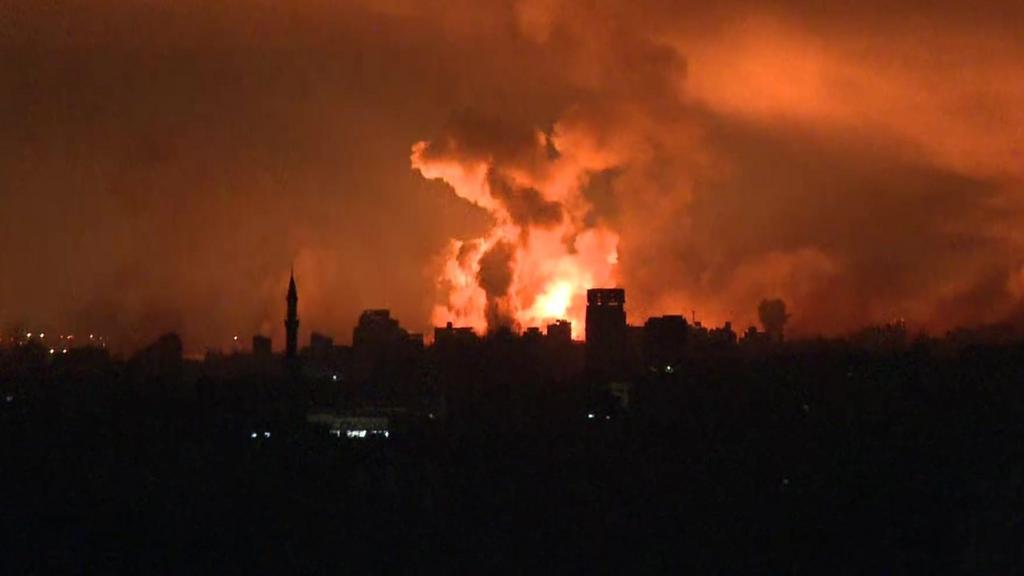
A severe fire broke out aboard the Marshall Islands–flagged bulk carrier Altay while berthed at Albert Dock in Hull, triggering a full-scale emergency response and disrupting commercial, judicial, and residential operations across the city. The vessel, carrying approximately 3,500 tonnes of scrap metal, had arrived earlier in the week from Ijmuiden in the Netherlands.
The Emergency Unfolds
The alarm was raised shortly after 10:20 a.m. local time when crew members reported thick smoke emanating from the ship’s No. 2 cargo hold. The fire, suspected to be deep-seated within compacted metal cargo, quickly escalated. Humberside Fire and Rescue Service deployed five fire engines, a specialist aerial ladder platform, and marine-trained teams, supported by the Hull Coastguard Rescue Team and ambulance services.
Smoke blanketed the surrounding area, prompting authorities to urge residents and workers in Hull’s city centre to remain indoors, shut windows, and avoid the dock perimeter. As precautionary closures extended into the Kingston Retail Park and Hull’s Magistrates and Combined Courts, the incident had far-reaching urban consequences beyond the port’s perimeter.
Night-long Battle to Contain the Blaze
Fire crews battled the inferno well into the night, facing the dual challenge of limited access and the highly combustible nature of the scrap metal cargo. Described as one of the most intense port-side fires in recent years, the operation required the simultaneous cooling of the hold from above and the physical extraction of cargo onto the dockside for external extinguishment.
By 5:00 a.m. on June 28, the fire was declared under control. Firefighters remained on site through the morning to damp down residual hotspots, with steam and minor smoke emissions continuing intermittently as temperatures stabilised within the cargo hold.
Safety and Investigation
No injuries were reported. All crew members were accounted for and evacuated safely. Authorities immediately launched an investigation into the fire’s origin, with preliminary assessments pointing to the possibility of spontaneous combustion—a known risk in certain metallic cargoes, particularly when stored in confined and oxygen-restricted spaces.
The Altay, built in 2006, is no stranger to regulatory scrutiny. Records show a two-day detention in Venice in October 2024 due to non-compliant lifesaving equipment and operational issues on the bridge. Though it passed a follow-up inspection in Boulogne, France, the vessel’s safety record may now come under renewed attention in light of the Hull fire.
A Wake-Up Call for Maritime Risk
The incident has amplified calls for stricter inspection and monitoring protocols for high-risk cargoes like scrap metal. Experts note that such materials, especially when loaded in large volumes, can generate internal heat and ignite under the right conditions—particularly if moisture, chemical residue, or reactive elements are present.
At a time when global ports are managing larger volumes and faster turnarounds, this fire underscores the critical need for early-detection technologies, enhanced hold monitoring systems, and mandatory fire response drills for vessels with flammable cargoes.
Port of Hull: A Strategic Nerve Center
Albert Dock forms part of the Port of Hull, a critical logistics hub within the Humber Freeport. Managed by Associated British Ports, the dock handles dry bulk, general cargo, and forest products. The fire disrupted not only vessel operations but also underscored the vulnerability of interlinked urban-port systems, where an incident aboard a single vessel can ripple through the legal, economic, and civic life of a city.
Looking Ahead
The ongoing investigation is expected to result in recommendations that may influence future port state control actions, charterparty clauses regarding fire-prevention systems, and insurance premiums for high-risk cargoes. Legal experts also anticipate scrutiny on whether pre-loading inspections and vessel maintenance protocols were sufficiently robust.
As Hull recovers from the disruptions and the Altay’s cargo is removed for safety assessment, maritime stakeholders are left with a clear lesson: in a port city, every vessel is a potential hazard—and every emergency a test of readiness.
All in Maritime News will continue to monitor the outcomes of the investigation and any forthcoming changes to maritime fire-safety protocols, particularly for scrap and metallic cargo transport.
