

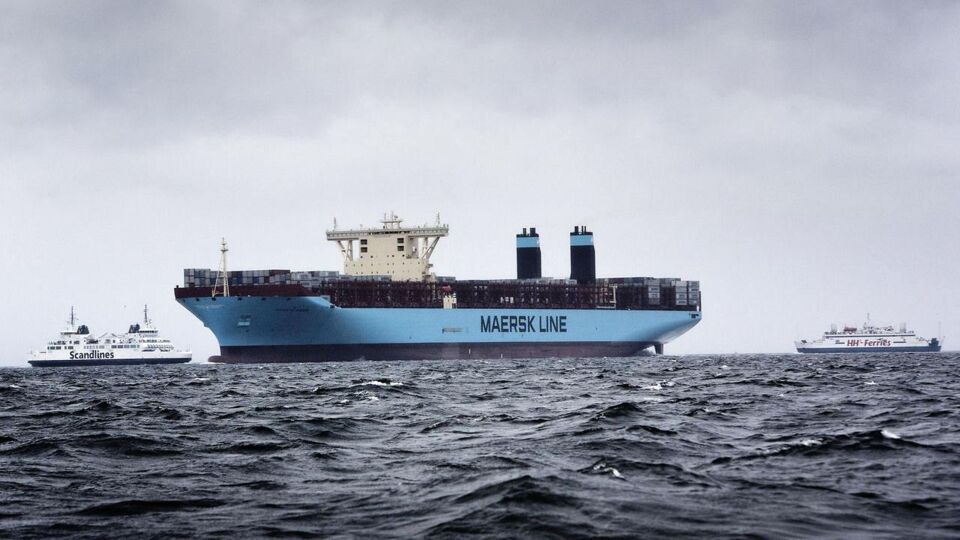
Vessel traffic through Eastern Africa—including Mombasa, Dar es Salaam, Djibouti, Beira, Zanzibar, and Lamu—is at its highest in over a decade. While this surge reflects the region’s rising strategic value in global trade, it has exposed major inefficiencies across infrastructure, coordination, and risk management.
Volume Increases and Port Stress
- Mombasa has recorded a 25% increase in vessel calls over the past 12 months, with average turnaround time now exceeding 3.2 days.
- Djibouti has reduced congestion slightly from a high of 448 index units in April to 54 units by mid-June, but capacity remains tight.
- Dar es Salaam continues to struggle with intermodal delays and increased bulk traffic, especially through TAZARA-linked routes.
- Beira and Zanzibar have seen measurable increases in both feeder traffic and cross-border transits, stretching existing port systems.
- Durban remains a spillover hub, with up to 11.3 days of average ship dwell time in May and June.
Lamu Port: A Strategic Pressure Valve
In a timely development, the Kenya Ports Authority (KPA) has activated full operations at Lamu Port. To reduce congestion at Mombasa, KPA is actively encouraging shipping lines and cargo owners to reroute traffic to Lamu by offering:
- Lower berthing and handling charges
- High ISPS-compliant safety standards
- Less vessel queuing and improved crane productivity
- Faster customs interface supported by modern infrastructure
Early adopters are already seeing clearance cycles reduced by up to 40% compared to Mombasa.
Observater Surveyors: On-Ground Cargo Impact
Dickens Ouma, Loss Adjuster at Observater Surveys & Services Ltd, reports:
“We are observing an uptick in claims involving temperature-sensitive cargo degradation, structural damage to containers, and mechanical failure in port/ship-handling equipment. Most incidents arise after unusually long on-ship waiting or de-stacking in makeshift bays.”
“Many of these losses could be mitigated with proactive container planning and terminal discipline. With investment in modern storage facilities especially for perishables, containerized foodstuffs, and reefer containers, some damage will be avoidable, but prolonged vessel stays and poor yard stacking remain root causes at most ports.”
Ship Agent Insights: Mombasa and Lamu
Ms. Terry Adikinyi, Ship Agent at MainGate Shipping, commented:
“Our work in Mombasa involves daily firefighting—vessel slot changes, truck bottlenecks, late-night documentation. Lamu is more structured; the turnaround is faster, and coordination among customs, port health, and handlers is far more seamless.”
“Clients moving transshipment cargo are now instructing us to prioritize Lamu where possible, we look forward to serving the Ethiopian Mark.”
“We’re particularly excited about Lamu’s role in unlocking trade for Ethiopia and South Sudan. With its direct ocean access, high safety standards, and less congestion, Lamu offers a faster and more secure route for importers and exporters from these markets.”
“We encourage all Ethiopian and South Sudanese cargo interests to take note: Lamu is now open for business. At MainGate Shipping, we are fully present on the ground—ready to facilitate seamless ship-to-shore operations, customs processes, and last-mile delivery.”
“This is the right moment for forwarders, traders, and regional manufacturers to reassess their logistics strategies. With Lamu’s expanding connectivity and lower port dwell times, the corridor to Addis Ababa, Juba, and beyond has never looked more promising.”
Beira’s Growing Importance and Bottlenecks
We spoke with Mr. Jacob Alberto, a maritime logistics expert and regional importer based in Beira, Mozambique, for a local view:
“Beira has become the preferred choice for landlocked countries like Zimbabwe and Malawi, especially for grain and industrial cargo. But this rise in traffic has overwhelmed our container yards and inland transport systems.”
“There are days trucks spend 3 to 4 days awaiting clearance at outgate due to scanner congestion. For imports, costs are rising due to delays, and local warehouses are facing pressure with premature offloads.”
“Authorities need to match this traffic growth with automated customs, improved offloading zones, and faster reefer handling to maintain Beira’s competitiveness.”
Regional Impacts at a Glance
| Port | Key Issues |
|---|---|
| Mombasa | Berth congestion, customs delays, demurrage accumulation |
| Dar es Salaam | Inland clearance drag, overreliance on truck logistics |
| Djibouti | Naval-commercial scheduling conflicts, minimal yard scalability |
| Zanzibar | Underequipped for large container vessels, high peak-season spillover |
| Beira | Truck bottlenecks, yard overcrowding, scanner backlogs |
| Lamu | Low congestion, efficient yard systems, gaining operator confidence |
Industry-Wide Effects
| Stakeholder | Impact |
|---|---|
| Shipping Lines | Missed berthing windows, higher demurrage, re-routing to alternative ports |
| Cargo Owners | Inventory gaps, rising inland costs, damaged cargo from yard mismanagement |
| Trucking Operators | Delays at port gates, low fleet utilization, fuel price volatility |
| Port Authorities | Infrastructure backlog, increased OPEX, pressure to digitize |
| Surveyors & Insurers | Claim volume growth, rising cargo loss severity, policy scrutiny |
Looking Ahead to Q3 2025
- Lamu and Beira are emerging as key strategic ports for traffic decongestion—though both require scalable inland connectivity and bonded warehousing expansion.
- Surveyors and adjusters will play a central role in validating damage, loss causation, and liability under mounting insurance scrutiny.
- Digital port management and customs integration must accelerate to avoid compounding inefficiencies.
Eastern Africa’s maritime corridor is no longer a regional concern—it is now a strategic global axis. Stakeholders must evolve in pace with volume growth, or the region risks losing its competitive edge to inefficiency and loss.
For continuous maritime insight and coverage of East Africa’s trade corridors, follow All in Maritime News.
Contact: news@allinmaritime.com
Tel: +27 063 069 1191
Offices: Durban | Dar es Salaam | Nairobi | Dubai
Website: www.allinmaritime.com
All in Maritime News — Your Source for Global Maritime Intelligence
