

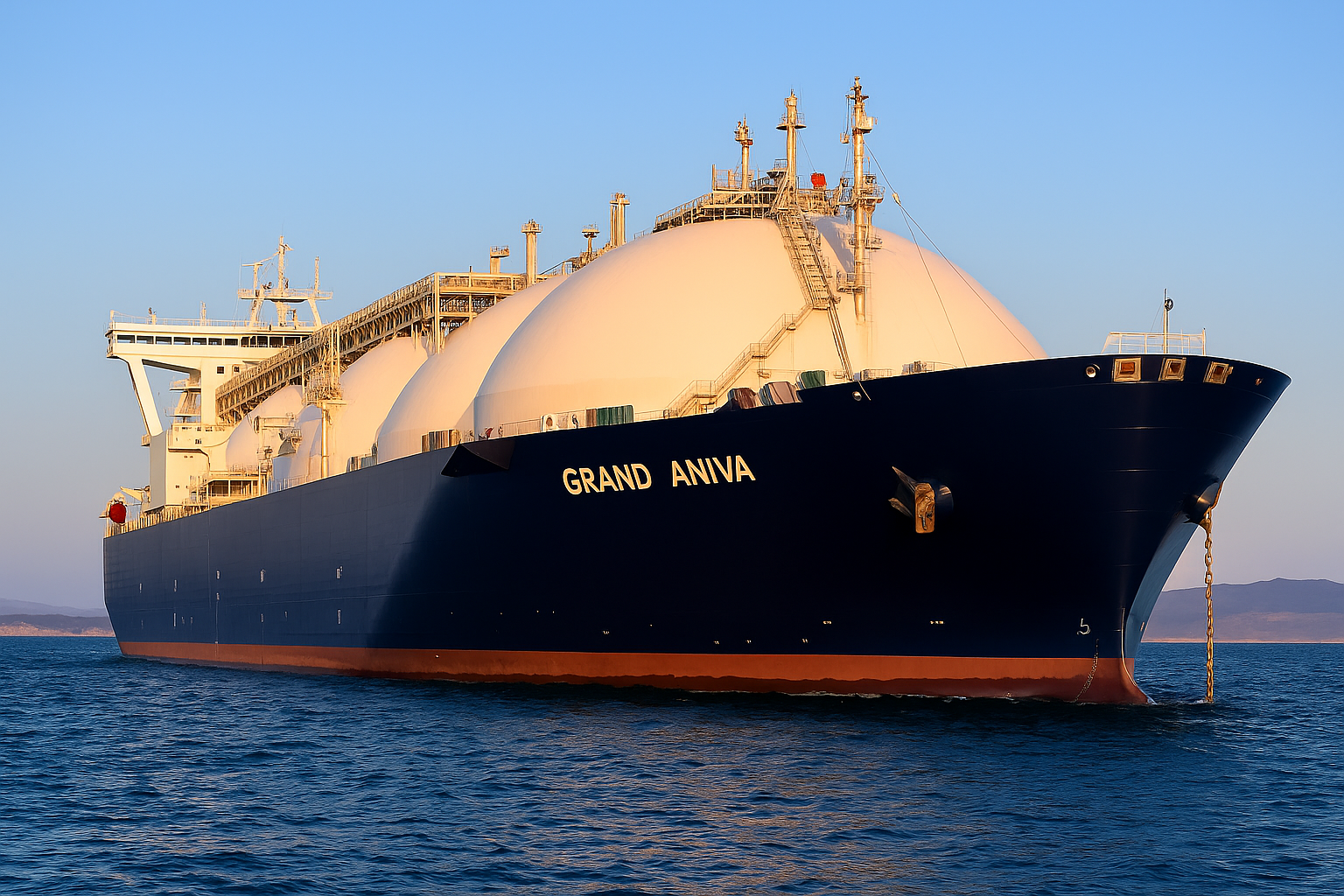
Tanzania is emerging as both a maritime logistics powerhouse and a crucial energy supplier in East Africa. As its ports modernize—especially Dar es Salaam and Tanga—the country is strategically positioning itself to supply LPG to Kenya and beyond, while embarking on massive LNG, pipeline, and green-energy projects. Here’s a closer look:
1. Gas Terminal Breakthrough: Tanga LNG-LPG Hub
- Petredec’s Tanga Terminal: Construction is underway on East Africa’s first terminal capable of handling Very Large Gas Carriers (VLGCs), featuring six storage spheres with a combined capacity of 40,000 m³ and a 2.8 km underwater ship-to-shore pipeline. Completion is expected by late 2027.
- Domestic LPG Rollout: The Tanga terminal is central to Tanzania’s clean energy push and will support wider LPG availability across the country—especially in underserved rural areas.
2. Regional LPG Supply & Kenya Linkage
- Tanzania to Kenya: A recent LPG shipment from Tanzanian-owned Lake Gas arrived via Vipingo, Kenya, delivering 11,474 tonnes through an offshore buoy system. This milestone signifies Tanzania’s deeper penetration into Kenya’s LPG market.
- Pipeline Prospects: A proposed 600 km gas pipeline from Dar es Salaam to Mombasa could significantly reduce East African LPG prices if realized. Discussions remain ongoing between Tanzanian and Kenyan authorities.
3. Port Capacity and Pipeline Developments
- Dar es Salaam & Tanga Ports: Both ports have undergone major upgrades. Dar es Salaam is also poised to support Tanzania’s planned $30 billion LNG export terminal in Lindi.
- Pipeline Connectivity: Tanzania is expanding its gas pipeline network to Uganda and Kenya, including the operational Mtwara–Dar es Salaam pipeline and proposed connections to neighboring countries.
4. Implications for East African Energy Markets
Tanzania’s growing role as an LPG hub—underpinned by new infrastructure and regional linkages—challenges Kenya’s long-standing market dominance. The combination of the Vipingo offshore terminal in Kenya and the new Tanga facility is expected to increase competition, improve supply stability, and drive down regional prices.
Should the Dar–Mombasa pipeline become a reality, Kenya’s LPG costs could drop by as much as 30%, benefiting households, manufacturers, and the logistics industry alike.
5. Risk Oversight: Mariclaim Global Surveyor Perspective
We spoke with experts at Mariclaim Global Marine Surveyors & Adjusters on the operational risks arising from these fast-moving developments:
“The Tanga VLGC terminal introduces entirely new classes of marine and engineering risk. Our surveys are currently focused on subsea discharge systems, pressure safety in gas spheres, and ship-to-shore transfer monitoring,” said a senior Mariclaim surveyor.
“Additionally, offshore buoy mooring systems now used for LPG discharge in Kenya bring unique challenges. From tidal variance to crew interface risk, insurers are demanding strict marine warranty coverage and inspection documentation.”
Observater Surveys & Services Ltd, a regional marine warranty and cargo inspection specialist, commented on key risk factors:
“LPG terminal installations involve complex operations—subsea pipelines, gas sphere integrity, and VLGC offloading pose new marine hazards and require professional marine warranty surveys,” said Observater’s Dar es Salaam team.
“Offshore buoy transfer systems—now in use in Kenya—introduce transfer risks under varied sea states. Our surveys include buoy mooring stability checks, dynamic positioning verification, and contingency planning.”
Observater also noted increased demand for pre-shipment LPG inspections, loading inspections, quantity surveys and terminal condition checks to support insurance, stakeholder and ownership liabilities and safety of investments and the environment.
Mr. Jamal Abass, a maritime lawyer specializing in East African trade law, highlighted the shifting legal dynamics:
“LPG deliveries via offshore moorings and cross-border pipeline projects raise serious legal questions—ranging from liability during ship-to-shore transfers to cross-jurisdictional claims over environmental damage or fuel quality disputes.”
“We are now revising charter party clauses, particularly concerning force majeure, cargo contamination, and port-specific risk allocation. The use of offshore buoy systems and floating terminals means shipowners and receivers must be explicit on inspection responsibilities and claims handling procedures.”
6. Strategic & Market Takeaways
| Focus Area | Strategic Implication |
|---|---|
| LPG Export Corridor | Tanzania is now a serious alternate source for Kenya’s LPG demand |
| Infrastructure Development | Marine and energy systems require layered inspection and real-time safety assurance |
| Regional Pipeline Projects | If actualized, interconnectivity would reshape East Africa’s gas market |
| Energy Security | Improved cross-border supply boosts affordability and availability |
| Surveyor & Insurance Role | Verification is critical to project financing, operations, and claims defensibility |
Looking Ahead
- By 2027: Tanzania’s Tanga terminal is expected to be East Africa’s largest LPG import-export node.
- Beyond 2025: LNG export facilities in Lindi and further port expansions will require ongoing technical review and marine infrastructure risk audits.
- Continued Cross-Border Integration: Pipeline and port linkages to Kenya and Uganda will reshape regional logistics and energy distribution strategies.
Conclusion
Tanzania is charting a bold path to become East Africa’s maritime energy gateway. Its blend of port modernization, gas infrastructure, and regional logistics strategy gives it a competitive edge. But for long-term sustainability, this transformation must be underpinned by rigorous surveying, real-time compliance, and marine risk assurance.
For continued coverage on LPG, LNG, and port infrastructure across East Africa, stay with All in Maritime News.
Contact: news@allinmaritime.com
Tel: +27 063 069 1191
Offices: Durban | Dar es Salaam | Nairobi | Dubai
Website: www.allinmaritime.com
All in Maritime News — Your Source for Global Maritime Intelligence
