

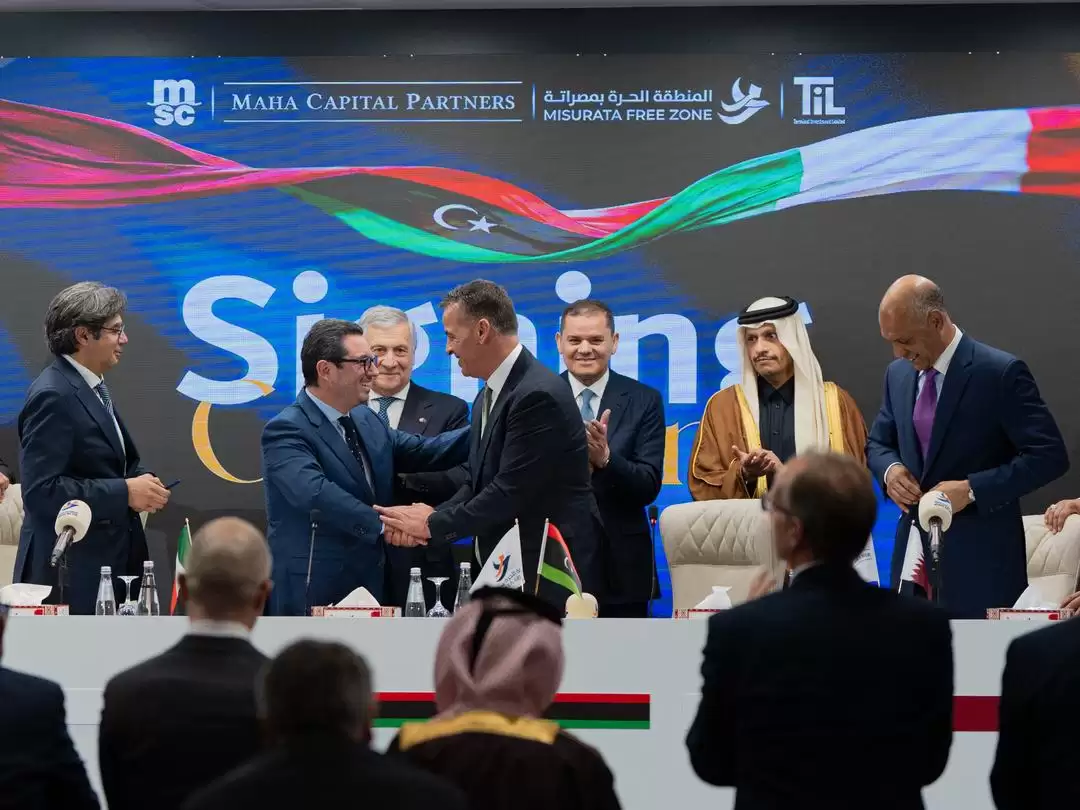
Libya has signed a landmark $2.7 billion international partnership to expand and modernize the Misurata Free Zone (MFZ) port terminal, marking a major step toward positioning the port as a regional logistics and transshipment hub. The deal was signed on 18 January 2026 between the Misurata Free Zone Authority and a consortium led by Terminal Investment Limited (TiL) — the port-operating arm of Mediterranean Shipping Company (MSC) — and Doha-based Maha Capital Partners (MCP), with additional Swiss and European stakeholders involved.
Port Infrastructure Upgrades
The agreement outlines a comprehensive development plan for the Misurata Free Zone, focusing on modernizing port infrastructure and operational systems:
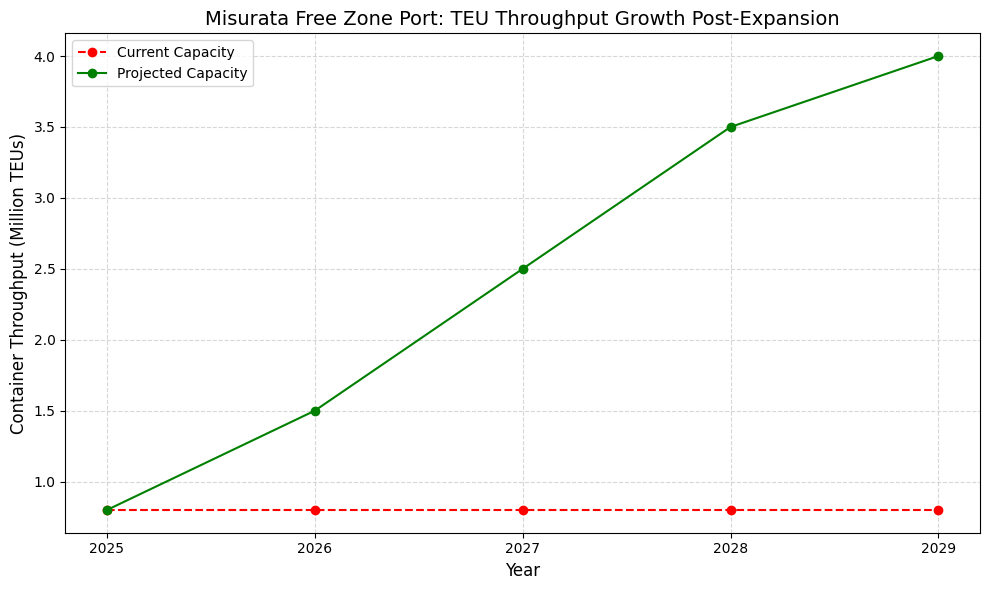
- Expansion of container handling facilities to accommodate larger vessels and increased throughput, targeting an annual capacity of around four million TEUs.
- Introduction of state-of-the-art equipment and digital systems, including automated container tracking, logistics software, and operational dashboards to enhance efficiency and reduce turnaround times.
- Construction of new berths and deepening of existing quays to allow access for larger container vessels, ensuring compatibility with modern feeder and transshipment fleets.
According to MFZ officials, these upgrades will enable simultaneous handling of multiple large vessels, improve cargo flow, and significantly reduce congestion compared to current operations.
Transshipment and Regional Connectivity
Once operational, the port is expected to play a central role in Mediterranean and North African maritime trade:
- The MFZ port will serve as a transshipment hub connecting Europe, the Middle East, and Africa, strengthening Libya’s strategic position in regional supply chains.
- Integration with the surrounding free zone’s logistics and industrial ecosystem will facilitate value-added services, warehousing, and manufacturing, supporting economic diversification beyond oil.
- Enhanced feeder and regional connectivity will allow shipping lines to optimize routing, reducing operational costs and transit times.
Economic and Strategic Impacts
Libyan authorities anticipate that the port expansion will generate direct and indirect employment for tens of thousands and increase annual operating revenues to approximately $500–600 million. The project also underscores Libya’s ambition to diversify its economy and enhance maritime trade infrastructure despite ongoing political and security challenges.
Prime Minister Abdulhamid Dbeibah highlighted that the partnership signals renewed international investor confidence, while consortium leaders emphasized the port’s potential to become a leading Mediterranean transshipment and logistics hub.
Conclusion
The Misurata Free Zone expansion represents one of Libya’s largest non-oil infrastructure projects in recent years. By modernizing port operations, boosting container-handling capabilities, and improving transshipment potential, the development will strengthen Libya’s strategic position in regional trade corridors and provide a critical boost to the country’s maritime logistics ecosystem.
Tell us What is Happening in Your Area: Contact Maritime Context at: news@maritimecontext.com
