

Maritime Context News – 27 November 2025
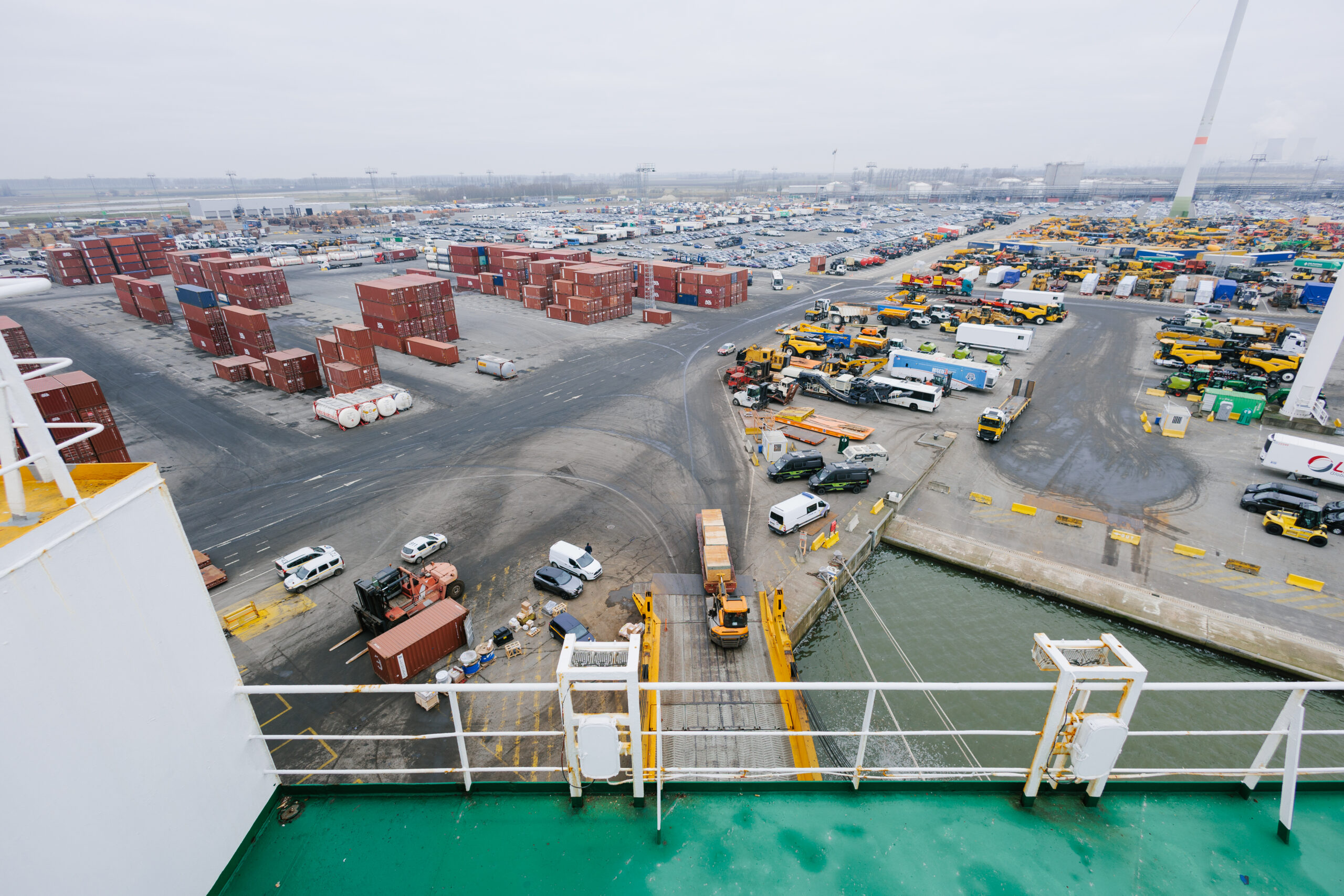
Port of Antwerp-Bruges, one of Europe’s busiest maritime gateways, is once again facing congestion pressures driven by a combination of irregular vessel arrivals, strained terminal capacity, and recent national labour disruptions. The situation has added renewed stress to already fragile European supply chains and is prompting further calls for long-term capacity expansion at the port.
A Build-Up Months in the Making
Though container volumes in early 2025 showed signs of resilience, the port has been experiencing “persistent terminal congestion” since mid-year. Key indicators—such as extended container dwell times, delayed landside movements, and uneven berth utilisation—signal that the port’s handling system remains under pressure.
Container dwell time has increased from an average of around 5 days to 7–8 days, a clear sign that containers are lingering longer on quaysides before moving inland. Maritime analysts attribute the spikes to several converging operational and seasonal factors.
Key Drivers Behind the Congestion
1. Irregular Arrival Patterns
Industry sources note that vessel schedules into Antwerp-Bruges have become highly unpredictable. Global rerouting caused by Red Sea instability, shifting alliances among major carriers, and new service rotations have resulted in clusters of large vessels arriving simultaneously rather than in evenly spaced sequences.
This “burst arrival” pattern overwhelms terminal handlers, equipment, and yard capacity.
2. Reshuffling of Container Shipping Alliances
Changes in alliances earlier this year contributed to temporary surges in vessel calls. With carriers consolidating services and adjusting rotations, Antwerp-Bruges experienced periods where multiple mainline ships docked within narrow windows—creating peak congestion.
3. Residual Effects of National Labour Strikes
A national strike involving Belgian pilotage and traffic-control personnel in October and November caused temporary shutdowns of key access routes, including the Wandelaar pilotage station.
These stoppages brought vessel movements to a halt, creating a backlog offshore and inland.
Even though normal operations resumed, clearing the accumulated queue has taken days, increasing pressure across terminals.
4. Structural Capacity Limits
While Antwerp-Bruges remains Europe’s second-largest port, its existing container-handling system is nearing structural limits during high-demand periods. Terminals have reported yard utilisation rates exceeding optimal operational thresholds, hampering efficiency and slowing crane operations.
Mixed Cargo Picture Adds Complexity
Despite resilience in container and RoRo traffic earlier in the year, the port reported a decline in total throughput for the first nine months of 2025. Bulk cargoes—particularly dry bulk—fell sharply, reducing overall tonnage but not easing congestion at container terminals, which operate under separate capacity constraints.
Market volatility, a cooling transatlantic trade lane, and shifts in sourcing strategies among European importers have further contributed to unpredictable flows.
Port Responds With Capacity Expansion Plans
In response to ongoing congestion pressures, Antwerp-Bruges is accelerating the Extra Container Capacity Antwerp (ECA) project— a major expansion designed to increase container-handling capability through a new dock, optimised yard configurations, and additional hinterland connections.
Port officials say the ECA project will be essential to meeting future demand and smoothing terminal operations as global supply chains continue to evolve.
At the same time, the port has launched a new digital Inbound Release Platform (IRP) to streamline customs releases and improve cargo visibility. The system is expected to gradually improve the flow of import containers across terminals and inland corridors.
Outlook: Gradual Stabilisation, But Challenges Remain
While some improvement has been noted following the easing of vessel-clustering pressures, Antwerp-Bruges is still navigating a delicate phase. Market analysts expect continued congestion risk through early 2026, especially if schedule reliability among ocean carriers remains unstable.
Shipping lines, freight forwarders, and inland logistics operators are being advised to anticipate longer turnaround times, potential delays in container pick-up, and further fluctuations in vessel berthing windows.
For now, Antwerp-Bruges remains operational but strained—reflecting broader challenges facing major European ports in adjusting to new global trade dynamics.
Tell us What is Happening in Your Area: Contact Maritime Context at: news@maritimecontext.com
