

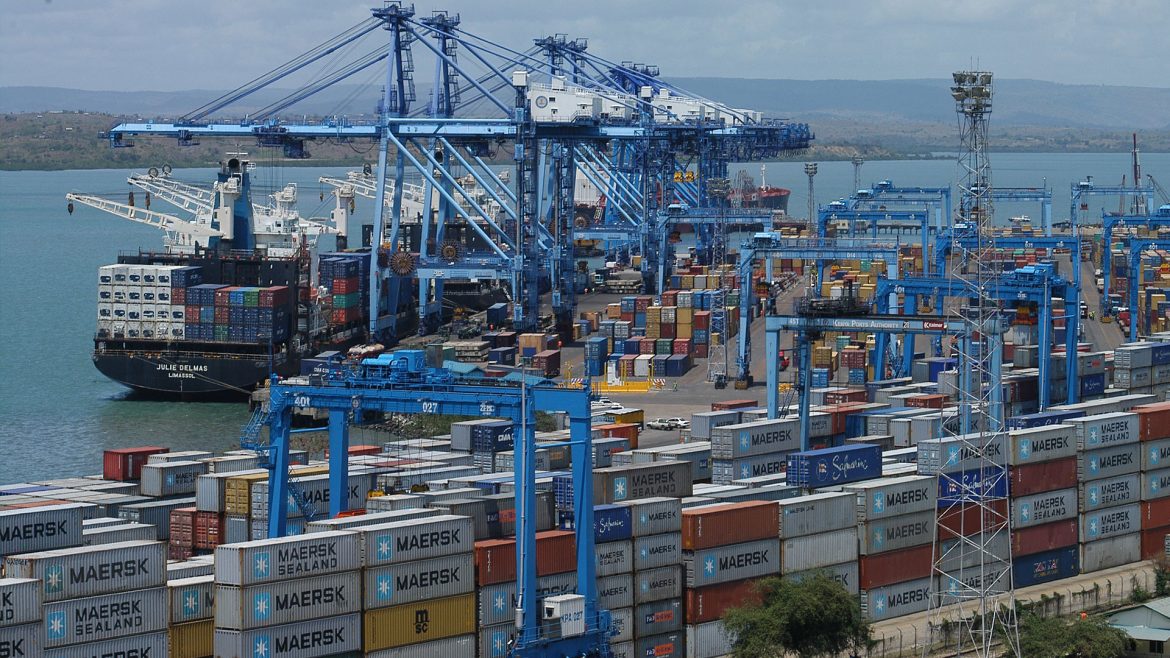
In a joint effort to enhance port performance and streamline cargo clearance operations, the Kenya Ports Authority (KPA) and the Kenya Revenue Authority (KRA) have signed a communiqué outlining new efficiency measures for the Port of Mombasa, East Africa’s busiest maritime gateway.
The announcement, made following a high-level meeting at KPA Headquarters chaired by the Executive Office of the President’s Council of Economic Advisors, brings together key port stakeholders, including KEBS, KR, KEPHIS, KSAA, SCEA, KIFWA, KTA, CFSA, and CMA. The initiative is aimed at facilitating trade, improving cargo flow, and maintaining Mombasa’s status as the region’s preferred port of choice.
Streamlined Cargo Management Framework
Under the new framework, all long-stay containerized cargo at the port will be moved to customs-licensed peripheral facilities to decongest terminals and improve space utilization.
- Cargo destined for Mombasa will be transferred to Container Freight Stations (CFSs) for final clearance.
- Cargo bound for Nairobi and other upcountry destinations will be railed to the Nairobi Inland Container Depot (ICD).
- Cargo destined for Uganda will be transported to the Naivasha Inland Container Depot (NICD) for clearance.
In support of this evacuation plan, KPA and KRA will waive 100% of accrued storage and warehouse rent for long-stay cargo once importers apply for a waiver, valid for 30 days. Shipping lines have been directed to similarly waive container detention and demurrage charges to facilitate the process. However, primary port charges, rail freight, and statutory taxes will remain payable.
Tightened Oversight and Faster Interventions
KRA will identify all cargo qualifying for auction and oversee due gazettement procedures to allow importers sufficient time to clear goods before disposal. Cargo approved for destruction will be moved to licensed destruction facilities.
In addition, cargo operating under the Single Customs Territory (SCT) regime will be exempted from Regional Electronic Cargo Tracking System (RECTS) e-seal processes, except in cases requiring additional monitoring based on risk assessment.
Importers have also been encouraged to nominate a CFS of their choice, failing which KPA will allocate consignments to available facilities within the port vicinity.
Furthermore, all Partner Government Agencies (PGAs) will now conduct container interventions outside the port, in line with a government directive requiring all multi-agency interventions to be resolved within five days.
Digitalization and Pre-Arrival Processing
As part of the digital transformation drive, KRA will implement the Pre-Arrival Processing (PAP) system for cargo, enabling clearance documentation to be completed before vessel arrival — a key step toward reducing dwell time and enhancing predictability.
The communiqué also outlines the government’s medium-term strategy to align all port-related policy actions with digitalization initiatives, aimed at achieving long-term efficiency and competitiveness.
Commitment to Regional Competitiveness
Speaking during the signing, Capt. William K. Ruto, Managing Director of the Kenya Ports Authority, and Dr. Lilian Nyawanda, representing the Commissioner General of the Kenya Revenue Authority, reaffirmed their institutions’ commitment to ensuring that the Port of Mombasa remains the region’s preferred trade hub.
The new measures are expected to significantly improve cargo throughput, cut clearance times, and strengthen Kenya’s position as a key maritime and logistics gateway for East and Central Africa.
Tell us What is Happening in Your Area: Contact Maritime Context at: news@maritimecontext.com
