

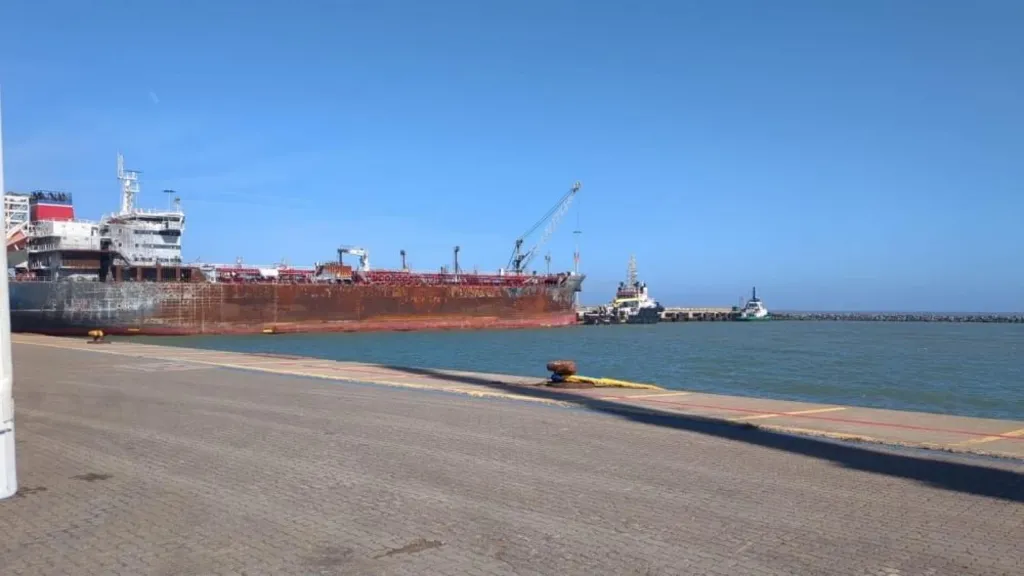
Great Yarmouth, UK – September 23, 2025 — The Stena Immaculate, an oil tanker severely damaged in a North Sea collision earlier this year, is preparing to depart Great Yarmouth’s outer harbour this week under controlled tow operations. The move marks a critical phase in the recovery effort following one of the most serious maritime incidents in UK waters in recent years.
Background: March Collision
On March 10, 2025, the U.S.-flagged tanker Stena Immaculate was struck by the Portuguese-flagged container ship Solong approximately 25 miles off the coast of East Yorkshire. The tanker, laden with aviation fuel destined for the U.S. military, caught fire along with the Solong, triggering a large-scale rescue and emergency response.
While 36 crew members from both vessels were successfully evacuated, one Filipino seafarer from Solong remains missing and is presumed dead. Both vessels sustained extensive damage, prompting investigations by UK maritime authorities, insurers, and international regulators.
Departure Operations
According to port officials, the Stena Immaculate will be escorted out of Great Yarmouth harbour on Wednesday, September 24, by the tugs Craigleith and Sea Seraya. The vessel is set to be towed to Cockle Buoy, a designated anchorage 1.5 miles off Winterton-on-Sea, before continuing to an undisclosed destination for further inspection and repairs.
Maritime sources suggest that the vessel’s onward route has not been made public due to security and safety considerations, particularly given the sensitive nature of its cargo and the ongoing legal proceedings surrounding the collision.
Investigations and Legal Fallout
The UK’s Marine Accident Investigation Branch (MAIB) continues to probe the cause of the collision, examining navigation data, crew actions, and compliance with collision-avoidance protocols.
The captain of the Solong faces charges of gross negligence manslaughter, with legal proceedings currently underway. Investigators are also scrutinising the effectiveness of communication and emergency response protocols between the two vessels at the time of impact.
Environmental and Safety Concerns
Although immediate fears of a large-scale oil spill were contained in March, environmental groups continue to monitor the situation closely. The tanker’s hull sustained significant structural damage, raising concerns about its seaworthiness during transit. Salvage engineers have carried out temporary stabilisation measures to ensure the vessel can be moved safely under escort.
“The risks are lower now, but they are not zero,” one maritime safety consultant noted. “Moving a damaged tanker of this size always carries environmental implications, especially so close to the UK coastline.”
Industry Implications
The incident has reinforced calls within the shipping industry for stricter traffic separation enforcement in the North Sea, where busy energy, military, and commercial routes overlap. It has also reignited debate over crew training standards and the adequacy of emergency preparedness on tankers and container ships operating in congested waters.
For the UK, the collision underscores the strategic vulnerability of supply chains involving military fuels and hazardous cargoes transiting near its shores.
A Critical Step Forward
For Great Yarmouth, the departure of the Stena Immaculate will relieve pressure on port operations, which have been constrained since the vessel’s arrival for assessment. For the families of those affected—especially the missing seafarer—the movement of the tanker represents progress in what remains an unresolved and painful chapter.
As the damaged vessel prepares to leave port, the maritime community continues to await answers on how such a collision could occur in one of the world’s most closely monitored shipping zones.
Tell us What is Happening in Your Area: Contact Maritime Context at: news@maritimecontext.com
