

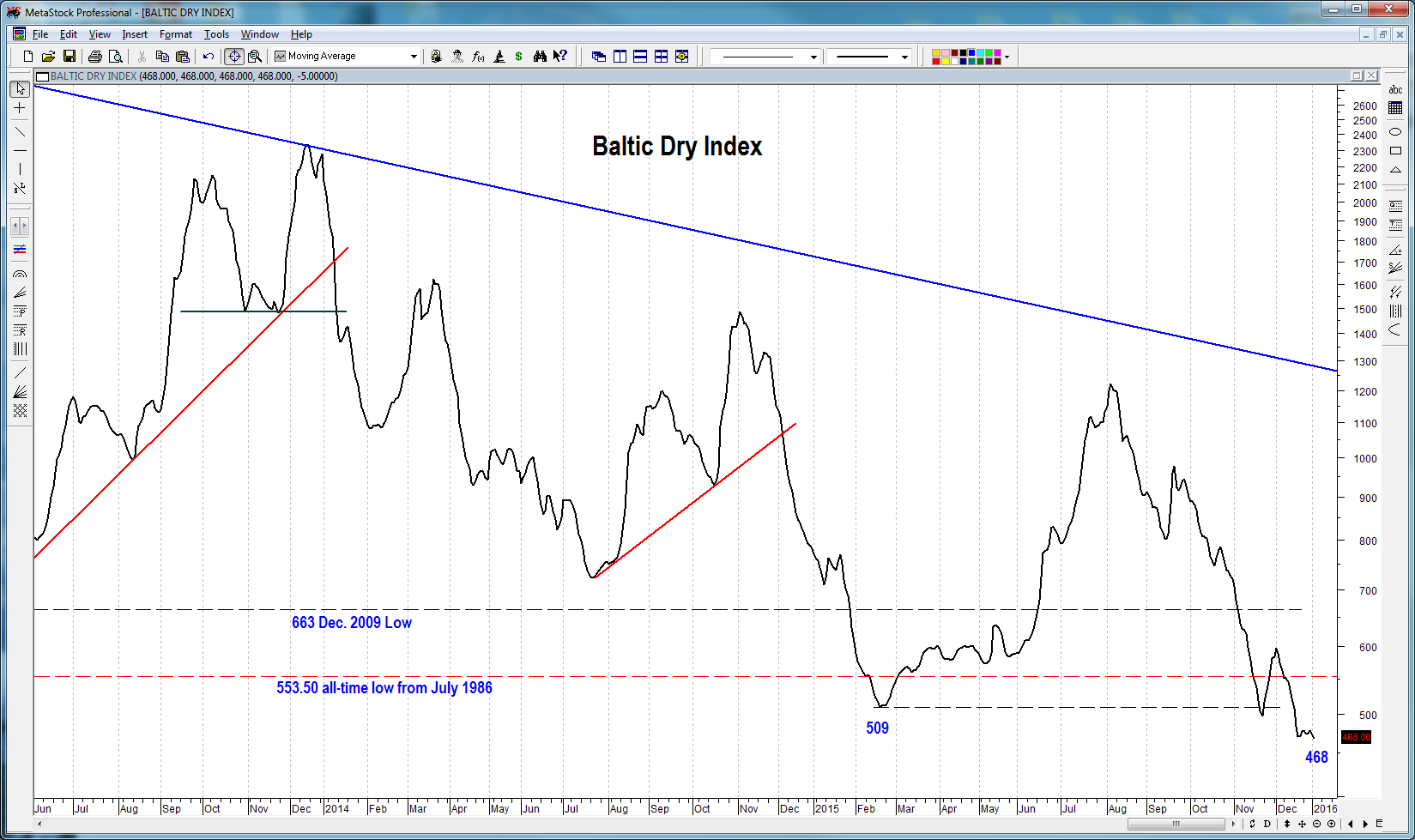
17 September 2025 – Mombasa / London / Singapore — The Baltic Dry Index (BDI), the world’s benchmark for dry bulk shipping rates, has surged to its highest point in nearly two months, driven primarily by a rally in Capesize vessel earnings. This development signals a tightening bulk freight market — but also renews focus on cargo risk management, insurance adequacy, and claims prevention.
Key Figures & Market Dynamics
- BDI Level: Climbed to around 2,154 points, the highest since 28 July 2025.
- Capesize Rates: Jumped by roughly 1.1% to average US$26,400/day, reflecting strong demand on key iron ore and coal routes from Brazil, Australia, and South Africa to Asia.
- Panamax & Supramax: Showed slight declines, keeping overall index growth modest but Capesize-led momentum strong.
Shipping analysts point to robust Chinese steel production, recovering commodity futures, and vessel supply tightness as the main drivers of the surge.
Industry Voices
Port & Chartering Analysts say Capesize gains are often the first signal of a rally:
“When Capesizes rise, it pulls up sentiment across the bulk market. Charterers rush to fix tonnage, and forward freight agreements (FFAs) turn bullish. But it also triggers closer scrutiny from financiers and insurers,” says a London-based dry bulk analyst interviewed by MCN.
MCN Exclusive: Insight from a Cargo Surveyor & Loss Adjuster
Eng. Daniel Esilaba, Technical & Operations Lead at Observater Surveys & Services Ltd., provided a dual perspective — as both cargo surveyor and loss adjuster — on what this market rally means for shipowners, charterers, and insurers:
“From a cargo surveyor’s standpoint, rising freight rates raise the stakes. When a Capesize is earning $26,000+ per day, every hour of delay or dispute costs real money. Our job on the ground is to document cargo condition at loading, tally weights accurately, and capture evidence in a way that stands up in arbitration or court if needed.”
“As a loss adjuster, I see the back end of what happens when things go wrong — moisture damage in bulk cargoes, contamination of holds, short-landed parcels. Many claims are avoidable if ship and shore records are synchronized and evidence is airtight. With this rally, insurers will be far less tolerant of poor documentation and vague claims. Past cases we’ve handled show that clear photographic evidence, soundings, log entries, and independent surveys can make the difference between a paid claim and a rejected one.”
“Owners and charterers should prepare for higher exposure — freight rates are good news, but they raise the cost of any delay, damage, or dispute. Every short-landed tonne, every hold contamination claim becomes more expensive to resolve when a ship is earning $26,000 per day.”
“P&I clubs, in particular, will expect airtight evidence when claims are filed — signed SOFs, photographic records, precise draft readings, moisture certificates, and cargo tallies that stand up to scrutiny. We have seen cases where missing or contradictory documents delayed settlements for months.”
“Our advice is simple: prevent losses before they occur. Appoint independent surveyors early, verify holds before loading, synchronize ship and shore figures, and document everything. In Africa, where trades can involve challenging ports, limited infrastructure, and weather-sensitive cargoes, having boots on the ground is the difference between a smooth voyage and a costly arbitration.”
Cargo Insurance & Risk Lessons
Esilaba also flagged insurance market behavior:
- Premium Sensitivity: “Underwriters are tracking these rate surges closely. When freight rates rise, insured values rise — which means bigger potential payouts. Expect insurers to increase scrutiny of load port procedures, vessel condition, and stowage practices.”
- Past Case Analysis: Observater’s case library shows that rejected claims often stem from poor declaration of cargo moisture, lack of fumigation records, or disputes over tally figures.
- Advice to Clients: “We advise shippers and charterers to pre-empt claims: appoint independent surveyors at both load and discharge, maintain meticulous records, and secure proper Institute Cargo Clauses coverage including war and delay if routing via Cape detours.”
Observeter Surveys and Services Ltd, is part of Observater Surveys Group, the leading marine, cargo surveying commodity inspections and Loss Adjusting company in Africa, Serving + 45 Ports in Africa from Mombasa, Abidjan, Dakar, Maputo, Beira, Dar es Salaam, Richards Bay, Port Harcourt, Durban, Lome, Djibouti, Pointe Noire, Douala, Luanda among others.
Wider Implications
- For Shipowners: Higher freight revenue is welcome, but delay penalties, demurrage, and claims can quickly erode profit margins if cargo disputes arise.
- For Charterers & Traders: Tight capacity means voyage scheduling must be watertight. Any delay due to cargo readiness or port congestion can result in higher costs.
- For Insurers: Rising freight rates and insured values may result in more complex claims negotiations — reinforcing the need for high-quality evidence.
MCN Bottom Line
The near two-month high in the Baltic Dry Index is more than a headline — it’s a call to action. The Capesize market’s strength signals a lucrative but high-risk trading window. With insurance exposures rising, shipowners and charterers must invest in solid cargo surveys, meticulous documentation, and proactive claims prevention to protect margins.
As MCN has reported, the bulk sector is bullish — but the winners will be those who manage operational, legal, and insurance risks as carefully as they chase higher earnings.
About Maritime Context News
Maritime Context News (MCN) is your trusted source for authoritative maritime, shipping, and logistics news across Africa and beyond. We bring you verified, industry-backed reporting, expert commentary, and analysis that matters to shipowners, charterers, insurers, and port stakeholders.
For news tips, collaborations, and advertising:
Maritime Context News (MCN)
Mombasa, Dar es Salaam, Dakar, Durban, Dubai, Singapore
newsroom@maritimecontext.com
www.maritimecontext.com
