

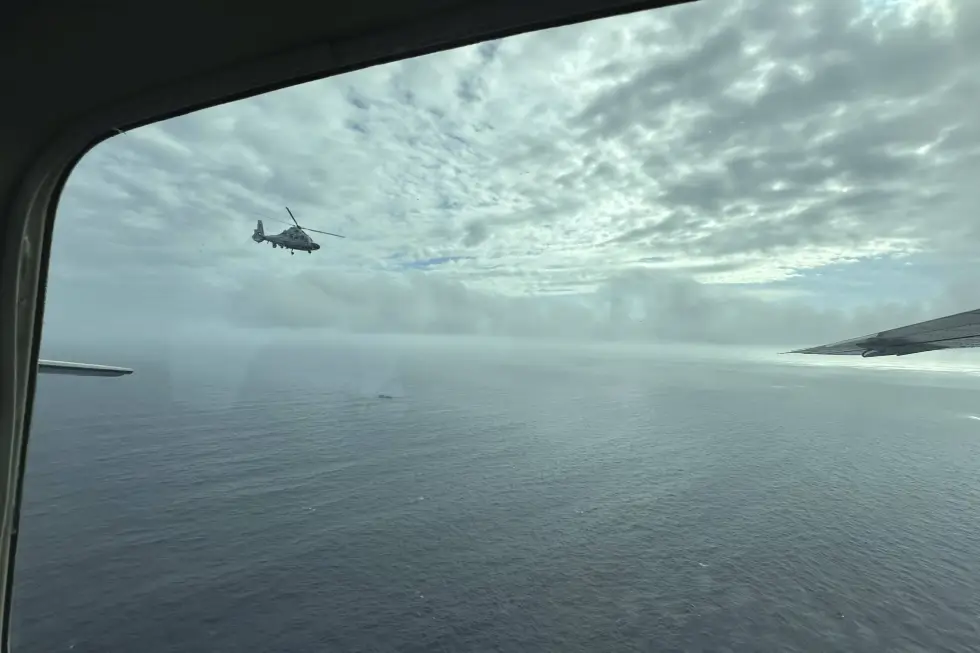
Manila/Beijing, September 16, 2025 – A fresh confrontation erupted in the South China Sea after a collision between Chinese and Philippine vessels near Scarborough Shoal, an area long contested by the two nations. The clash marks one of the most serious incidents in recent years and raises concerns of further escalation in the strategic waterway.
According to the Philippine Coast Guard, the incident occurred when Chinese coast guard ships deployed high-powered water cannons against the Philippine Bureau of Fisheries and Aquatic Resources (BFAR) vessel BRP Datu Gumbay Piang. The barrage lasted for nearly 30 minutes, severely damaging the ship’s bridge and captain’s cabin, causing electrical malfunctions, and injuring a crew member when glass shattered inside the vessel.
The Philippines condemned the act as “dangerous and unlawful,” filing a diplomatic protest in Manila. Officials accused Beijing of reckless aggression that endangered lives and disrupted the work of Filipino fishermen who rely on access to the shoal.
China, however, presented a different account. The China Coast Guard accused the Philippine vessel of deliberately ramming one of its ships after ignoring repeated warnings to leave what Beijing calls “Chinese waters.” In a statement, Chinese authorities said “control measures” – including verbal warnings, blocking maneuvers, and the use of water cannons – were carried out to “safeguard sovereignty and maritime order.”
The latest confrontation comes days after Beijing declared parts of Scarborough Shoal a “national nature reserve,” citing biodiversity protection. Manila dismissed the move as a pretext for consolidating Chinese control over the feature, which lies well within the Philippines’ Exclusive Economic Zone (EEZ) under the United Nations Convention on the Law of the Sea.
Scarborough Shoal, known locally as Bajo de Masinloc, has been under de facto Chinese control since a tense 2012 standoff. Although the Permanent Court of Arbitration in The Hague ruled in 2016 that China’s expansive claims in the South China Sea had no legal basis, Beijing has refused to recognize the decision and continues to fortify its presence in disputed waters.
The incident has heightened fears among Filipino fishermen, some of whom reported hearing Chinese naval broadcasts warning of live-fire exercises in the vicinity. Analysts say such actions are likely to discourage traditional fishing activity and tighten Beijing’s grip on the contested shoal.
Regional observers warn that the clash could draw in Manila’s security allies, including the United States, which has repeatedly affirmed its commitment to defend Philippine vessels under the Mutual Defense Treaty.
“This is not an isolated maritime dispute – it is part of a larger contest for control of one of the world’s busiest sea lanes,” said a maritime security analyst based in Singapore. “Any miscalculation here risks spiraling into a wider crisis.”
As both sides trade blame, the collision underscores the volatility of the South China Sea and the fragile balance between protecting national sovereignty and preventing open conflict in one of the globe’s most critical maritime regions.
Tell us What is Happening in Your Area: Contact Maritime Context at: news@maritimecontext.com
