

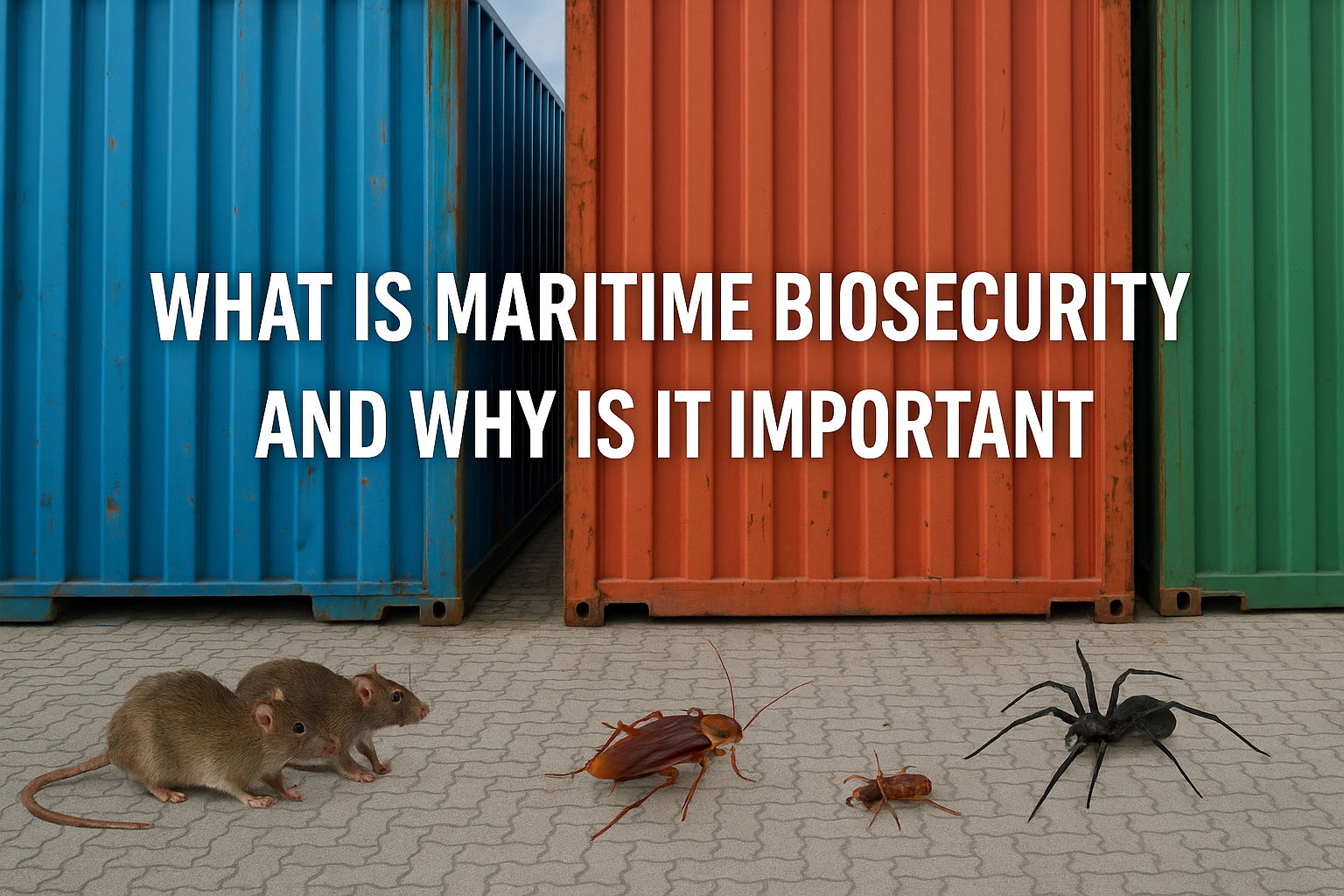
Mombasa, Kenya (15 September 2025) — A regulatory tussle at the Port of Mombasa has erupted into a region-wide trade row after the Kenya Plant Health Inspectorate Service (KEPHIS) moved to keep charging new inspection fees—despite a suspension order from the Kenya Maritime Authority (KMA). The dispute is already rippling through freight bills and sailing schedules, with industry bodies warning of higher consumer prices and fresh congestion at East Africa’s busiest gateway.
What KEPHIS Is Charging — And Why It Says It Must
KEPHIS introduced port and border-point inspection fees this year, including a flat charge per vessel and per container, with additional plant-health charges on agricultural consignments. The agency argues the levies fund biosecurity inspections mandated in law and required under international plant-health obligations.
KEPHIS board chair Joseph M’Eruaki defended staying the course, insisting the agency is acting within its constitutional remit and must protect Kenya’s agriculture from pests and disease.
“No government agency is superior to the other… Let other agencies stick to their lane… Let them cooperate because that is what is going to protect agriculture,” said Mr. M’Eruaki.
KMA Pushes Back: “Do Not Hold Exports”
KMA has told port actors not to impede export flows over the fees, emphasising the macro-economic stakes while seeking a negotiated path forward. Director-General Omae Nyarandi has framed exports as “critical to the Kenyan economy” and directed that shipments should not be held over non-payment while authorities sort out process and mandate questions.
Shipping Agents: “Charge Only When a Real Inspection Happens”
On the waterfront, shipping agents say blanket billing is unacceptable. Elijah Mbaru, chief executive of the Kenya Ships Agents Association (KSAA), says any charge “must be transparently justified by corresponding, verifiable physical inspections,” and where warranted should be passed to the responsible cargo interest—not indiscriminately to everyone.
KSAA has also warned that the new billing cycle is already filtering into carrier invoices and on to traders, with the potential to dull Mombasa’s competitiveness if not calibrated to risk.
Shippers’ Council: “Don’t Bill for Services Not Offered — Clarify Transit Cargo”
The Shippers Council of Eastern Africa (SCEA) wants a three-way sit-down between KEPHIS, KMA and carriers to redesign the rollout. Chief executive Agayo Ogambi says billing “cannot be on all containers but on the containers that have been attended to,” and has pressed KEPHIS to explain its intervention on transit cargo that often does not receive a service at Mombasa.
“Shippers cannot be asked to pay for services not offered,” said Mr. Ogambi.
Observater’s View: Surveyor’s Perspective on Maritime Efficiency
Adding to the discussion, Eng. Daniel Esilaba, Operations Lead at Observater Surveys & Services Ltd., shared his perspective with Maritime Context:
“As marine surveyors and loss adjusters operating across East Africa, we see first-hand how even small administrative bottlenecks can cascade into vessel delays, demurrage exposure, and ultimately increased claims for cargo interests.
While plant health controls are vital, their implementation must be risk-based and predictable. If every container and vessel is billed and queued for checks—regardless of cargo type or risk profile—we risk undermining supply chain efficiency and driving away transit trade to competing ports.
We urge authorities to harmonise roles through an MoU, introduce digital pre-clearance for low-risk shipments, and ensure that any fee charged is matched by a service actually rendered. This will protect agriculture without paralysing logistics.”
His remarks underline how operational clarity and proportional inspection regimes are critical not just for shippers, but also for surveyors who must document and mitigate losses when cargo is delayed or damaged due to extended port stays.
On the Ground: Traders See Costs Jump
Amid the policy crossfire, some exporters have already modelled sharp cost rises on perishable shipments. Producers reported per-container costs for a 40-foot reefer moving from roughly KSh 1,500 to about KSh 11,000, while exporters of fresh produce described significant new phytosanitary-related outlays across hundreds of reefers. Those increases, they say, will be passed along the chain.
One major shipping line confirmed it had “no choice” but to recover KEPHIS invoices from cargo interests after receiving formal demand notices—an escalation that has hardened sentiment among port users.
Why This Matters Beyond Mombasa
- Trade Friction & Delays: Requiring cleaning and inspection for large volumes—even empty containers—risks chokepoints at container freight stations and longer vessel and truck turn-times.
- Price Pressure: As carriers and forwarders pass on the new charges, importers and exporters warn that consumers will ultimately face higher shelf prices.
- Regulatory Overlap: The standoff exposes blurred lines between port health, customs, maritime safety and plant-health mandates—precisely the duplication trade bodies have lobbied to avoid.
The Origin Story — And the Latest Twist
Trade circles first flagged the fee design early in the year. After a brief pause for consultation in March, invoicing resumed, drawing formal protests and eventually KMA’s suspension directive. KEPHIS has nonetheless continued billing, saying it cannot compromise plant-health controls. The issue has since spilled across national media and industry bulletins, and even prompted carriers to update Kenya surcharge guidance to customers.
What a Compromise Could Look Like
Stakeholders are coalescing around three key ideas:
- Risk-Based Inspections – Focus fees and effort on consignments that genuinely present plant-health risk; avoid blanket charging on low-risk flows.
- Service-for-Fee Discipline – Bill only where an identifiable inspection or service is performed, with clear documentation for audit and disputes.
- MoU on Roles – Lock in an inter-agency memorandum that aligns KEPHIS’s plant-health role with KMA’s port-efficiency remit, plus customs and port health, to prevent mandate collisions.
The Bottom Line
Kenya is trying to do two hard things at once: keep invasive pests out and keep trade flowing. Unless authorities and industry land a transparent, risk-weighted framework quickly, the current standoff risks becoming a tax on time and a surcharge on the region’s growth. For now, the fees remain contested, the invoices keep coming, and shippers are watching the next meeting—and the next sailing window—very closely.
Tell us What is Happening in Your Area: Contact Maritime Context at: news@maritimecontext.com
