

Russia’s “shadow fleet” of tankers is employing increasingly sophisticated spoofing methods to conceal ship-to-ship (STS) transfers in the Gulf of Oman, in a bid to bypass Western sanctions and scrutiny from maritime regulators.
According to industry sources and maritime intelligence firms, vessels linked to Russian crude exports are manipulating their Automatic Identification System (AIS) signals to disguise positions, routes, and transfer activity. This tactic allows ships to appear to be in international waters or even docked at legitimate ports, while in reality conducting covert transfers at sea.
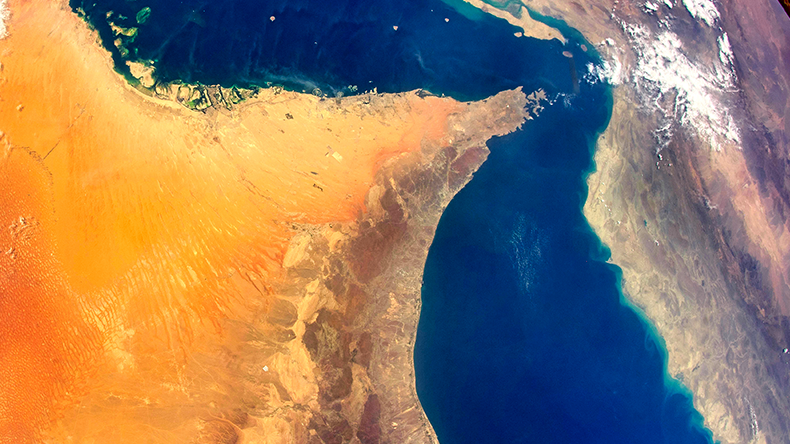
The Gulf of Oman, a vital artery connecting the Arabian Sea to the Strait of Hormuz, has emerged as a hotspot for these operations. Analysts note that the area’s heavy traffic and proximity to major oil shipping routes make it an attractive location for discreet activity.
These shadow operations, often involving aging tankers operating without proper insurance, pose significant risks to maritime safety and the environment. Experts warn that such transfers increase the likelihood of oil spills and collisions, while also undermining the integrity of the global energy market.
The use of electronic spoofing adds a new layer of complexity for regulators and watchdogs attempting to track sanctionable shipments. “This is not just simple AIS manipulation—it’s a coordinated effort to create convincing false data trails,” one maritime security analyst explained.
The development underscores the growing challenges faced by enforcement bodies as Russia and its trading partners adapt to restrictions imposed following Moscow’s war in Ukraine. While Western governments have increased monitoring efforts, the evolving tactics of the shadow fleet highlight the difficulties of enforcing sanctions in a globalized and technologically advanced maritime environment.
