

By All in Maritime News
Published: September 4, 2025
Kenya has reaffirmed its role as a regional leader in maritime security, pledging stronger cooperation with neighboring states to confront pressing threats such as piracy, illegal fishing, and transnational maritime crime. The announcement was made during the inaugural workshop of the Djibouti Code of Conduct (DCOC) Working Group, hosted this week in Mombasa.
Maritime Security at the Core of Regional Stability
Speaking at the event, Kenyan officials emphasized that maritime security is not just a naval or port issue—it is a critical pillar of national and regional stability. With the Western Indian Ocean continuing to face sporadic piracy risks and illegal, unreported, and unregulated (IUU) fishing draining billions from African economies, Kenya’s call for collective action resonated strongly with delegates.
“The Indian Ocean is our shared lifeline. Protecting it requires not just vigilance, but unity,” one delegate noted, highlighting the importance of Kenya’s pledge in building regional trust.
Djibouti Code of Conduct: A Framework for Action
The Djibouti Code of Conduct, first adopted in 2009, has been instrumental in guiding regional collaboration against piracy and armed robbery at sea. The Mombasa workshop marked a new phase of the framework, bringing together maritime administrations, navies, coast guards, and international partners to operationalize working groups that will intensify intelligence-sharing, capacity building, and coordinated patrols.
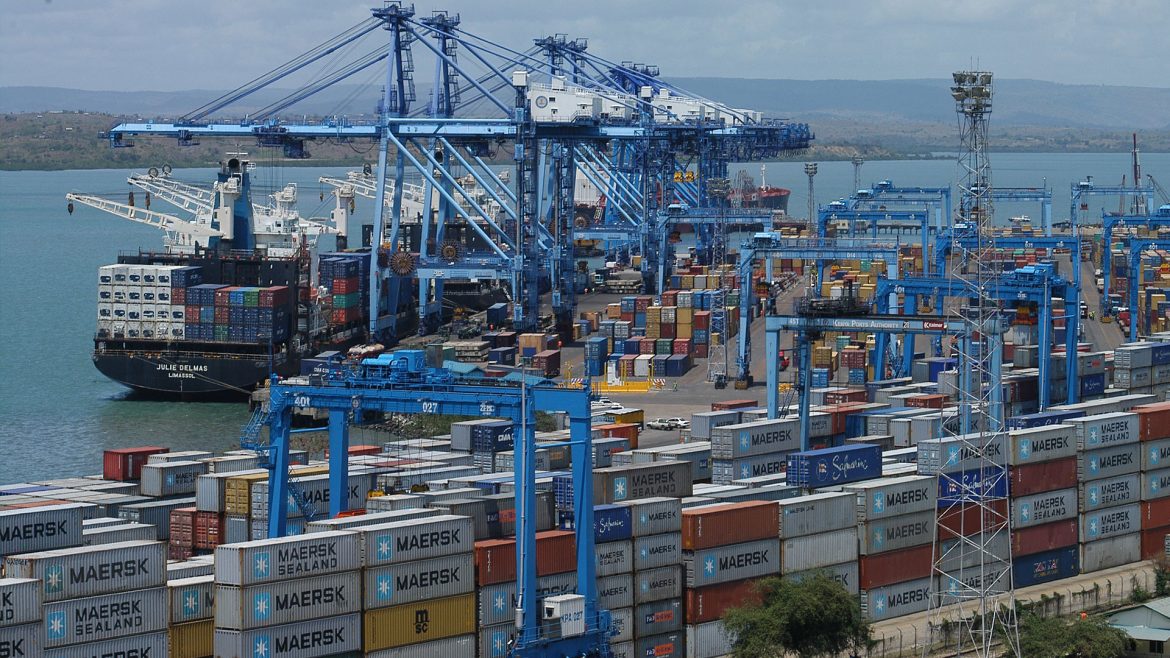
By hosting the inaugural workshop, Kenya signaled both its geographic importance and its political commitment to the region’s maritime future. Mombasa—long considered the gateway of East and Central Africa—provides the natural backdrop for such dialogue, standing as both a target of maritime risks and a hub of strategic resilience.
Piracy & Illegal Fishing: Persistent Challenges
While piracy incidents in the Gulf of Aden and Western Indian Ocean have declined compared to a decade ago, stakeholders at the workshop warned against complacency. The threat of piracy persists, especially as fragile political situations in the wider region create fertile ground for criminal networks.
Equally concerning is the surge in IUU fishing, which robs coastal states of revenue, undermines food security, and destabilizes local economies. Delegates stressed that tackling these challenges requires not only coast guard patrols but also advanced monitoring technologies, legal reforms, and cooperation with fishing communities.
Kenya’s Maritime Vision
Kenya’s reaffirmed pledge aligns with its broader ambition to be a maritime hub for East Africa. Recent investments in the Kenya Coast Guard Service (KCGS), expansion of Mombasa Port, and partnerships with international naval forces highlight Nairobi’s commitment to safeguarding maritime corridors.
Kenya’s role in the DCOC is expected to bolster confidence among shipping lines, insurers, and investors, reinforcing the nation’s image as a secure maritime transit point. Analysts argue that this leadership could also unlock greater opportunities under the African Continental Free Trade Area (AfCFTA), which relies heavily on secure shipping lanes.
A Collective Path Forward
As the inaugural DCOC working group concluded, the consensus was clear: no single nation can defeat piracy, illegal fishing, or maritime crime alone. Kenya’s pledge is both a moral and strategic statement—an invitation to neighbors and international partners to build a cooperative shield across the Indian Ocean.
For the maritime world, it sends an important message: East Africa is serious about protecting its seas, securing its trade routes, and ensuring its ports remain gateways of growth rather than corridors of risk.
Stay with us for verified, expert, and on-the-ground maritime journalism.
Contact: news@allinmaritime.com
Tel: +27 063 069 1191
Offices: Durban | Lagos | Abidjan | Dakar
All in Maritime News — Your Source for Maritime Intelligence
