

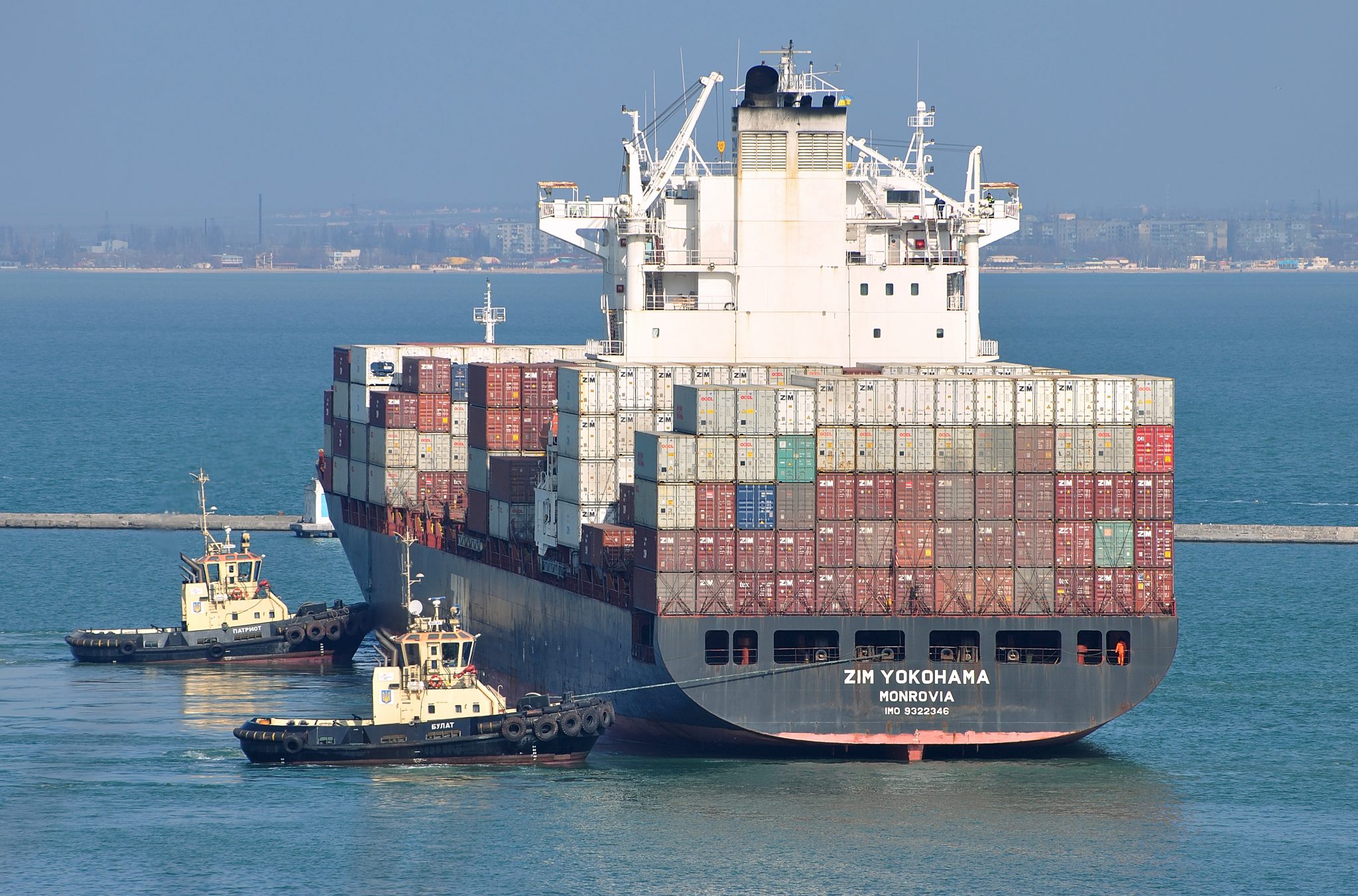
Israel’s Zim Integrated Shipping Services has confirmed that Turkey has imposed an immediate ban on ships associated with Israel, a move that is already disrupting maritime operations in the Eastern Mediterranean and reverberating across the global shipping industry.
According to Zim, Turkish port authorities notified the company that vessels owned, operated, or managed by Israeli entities would no longer be permitted to call at Turkish ports. The restrictions, which took effect on August 22, also apply to vessels carrying military cargo destined for Israel, while Turkish-flagged ships are now prohibited from entering Israeli ports. One of Zim’s vessels was already diverted from Istanbul to Piraeus, Greece, leaving customers uncertain about how cargo bound for Turkey will be handled going forward.
The announcement marks a sharp escalation in Ankara’s policy against Israel, building on a trade embargo first introduced in May 2024 that suspended billions of dollars in commerce between the two nations. This latest step effectively severs maritime connectivity between the two countries and creates ripple effects for international carriers operating in the region.
Zim has warned that the ban, if it continues, could have a negative impact on its financial performance. The company has already reported a significant drop in its second-quarter earnings, and the added costs of rerouting ships, longer voyages, and potential cargo delays could deepen the strain. Other global carriers, including Mediterranean Shipping Company (MSC) and Maersk, are seeking clarification from Turkish authorities as to whether the restrictions might extend beyond Zim and how compliance will be enforced.
Industry analysts note that the measure will complicate shipping networks in the Eastern Mediterranean, where Turkish ports like Istanbul and Mersin serve as major transshipment and logistics hubs. The diversion of Israeli-linked cargo to alternative ports such as Piraeus could create congestion, add costs for shippers, and lengthen supply chains at a time when the industry is already grappling with high fuel prices and unstable freight rates. Beyond commercial shipping, the move has geopolitical consequences, as it underscores Turkey’s hardening stance in response to Israel’s actions in Gaza and signals the growing role of maritime restrictions as a tool of political pressure.
Globally, the ban may force carriers to redraw service maps and reconfigure alliances, particularly on East Mediterranean and Black Sea routes. The uncertainty adds a layer of risk for freight forwarders and exporters dependent on predictable schedules. For humanitarian cargoes, the policy could further complicate already strained logistics chains for aid entering the region.
While Zim is working on contingency plans to minimize disruptions, the scale of the restrictions highlights how regional political disputes can ripple outward into the global maritime industry, raising costs and creating operational uncertainties for shipping companies worldwide.
Stay with us for verified, expert, and on-the-ground maritime journalism.
Contact: news@allinmaritime.com
Tel: +27 063 069 1191
Offices: Durban | Lagos | Abidjan | Dakar
All in Maritime News — Your Source for Maritime Intelligence
