

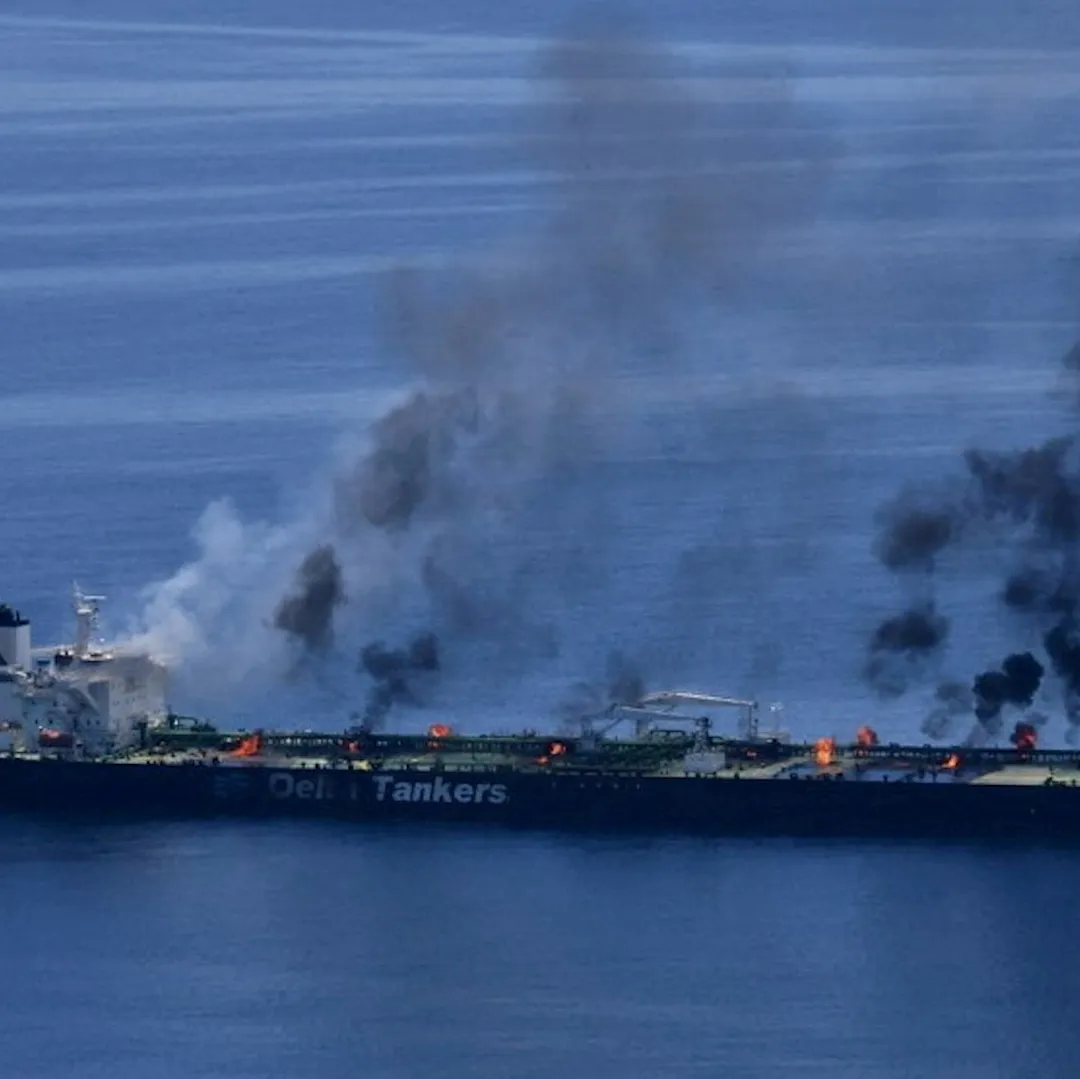
A new phase of maritime insecurity is unfolding in the Red Sea and beyond, as Yemen’s Houthi rebels announce they will target any ship linked to companies that do business with Israeli ports—regardless of the ship’s flag, route, or destination. This expanded threat comes amid a protracted Gaza conflict and intensifies fears of a multi-front destabilization of global supply routes
Unlike earlier phases of Houthi aggression that primarily focused on vessels heading to or from Israel, this latest move broadens the conflict into a global economic confrontation, with hundreds of companies now potentially in the crosshairs simply for engaging with Israeli maritime infrastructure.
A De Facto Global Maritime Blacklist
Analysts warn that the Houthi statement effectively creates a floating blacklist, where ships could be attacked simply due to corporate relationships with Israel—even if the vessels are operating far from the Middle East.
“This is no longer just a regional maritime dispute. It’s a form of commercial deterrence—maritime economic warfare,” said Dr. Lina Marwan, a maritime law expert based in Dubai. “It targets commercial relationships, not military interests, and weaponizes trade routes to achieve geopolitical leverage.”
The Houthis’ statement did not specify how such connections would be verified, but the group has previously shown the capacity to track ship ownership, cargo destinations, and company affiliations through public databases and intelligence from aligned actors.
Shipping Industry Reacts with Alarm
Shipping companies are now scrambling to review their commercial ties, customer rosters, and port call histories to assess risk. Insurance firms are also adjusting war risk premiums, not just for the Red Sea, but for adjacent corridors such as the Arabian Sea and Gulf of Aden, raising concerns of a ripple effect across global trade.
Two recent attacks highlight the urgency: earlier this month, the Magic Seas and Eternity C, both Greek-owned, Liberian-flagged bulk carriers, were struck. The Eternity C sank, leaving four crew dead and 11 taken hostage. Though not Israeli-flagged or headed to Israel, the ships were suspected of having indirect links to firms operating in Israeli ports.
“The threat radius is growing,” said George Mathews, operations director at a Mediterranean shipping company. “It’s no longer just about your destination port. It’s about your corporate relationships. That’s a terrifying precedent.”
Ports, Clients, and Corporate Caution
Port authorities in Haifa and Ashdod have not commented publicly, but internal reports suggest that vessel traffic has dropped sharply as international clients consider suspending port calls or adjusting routes to avoid exposure. Some multinational exporters are now exploring cargo transfers through third-party nations to obscure final destinations—an attempt to shield themselves from Houthi targeting.
Meanwhile, the Port of Eilat, Israel’s Red Sea terminal, has reported traffic volumes have plunged by over 90% since the Red Sea crisis began—raising concerns about commercial isolation.
Diplomatic Silence and Strategic Risks
The Houthi escalation puts additional pressure on international efforts to de-escalate the Israel-Gaza war. Though a U.S.-brokered agreement in May temporarily paused airstrikes on Houthi targets in exchange for a halt to indiscriminate maritime attacks, the Houthis insist that targets perceived to be “aligned with Israel” remain fair game.
Countries with significant shipping interests—including Greece, India, China, and the UAE—have remained largely quiet, possibly wary of escalating tensions or being drawn into a conflict they cannot control.
What’s Next?
The fourth phase of the Houthi blockade signals a dangerous evolution—from geographic targeting to economic network warfare. It raises the stakes not only for Israel and its allies but for the entire global shipping ecosystem.
Unless resolved diplomatically or countered militarily, maritime analysts fear the Red Sea could become an economic chokepoint weaponized not just by missiles, but by message—one where who you do business with may soon matter more than where you’re sailing to.
Stay with us for verified, expert, and on-the-ground maritime journalism.
Contact: news@allinmaritime.com
Tel: +27 063 069 1191
Offices: Durban | Lagos | Abidjan | Dakar
All in Maritime News — Your Source for Maritime Intelligence
