

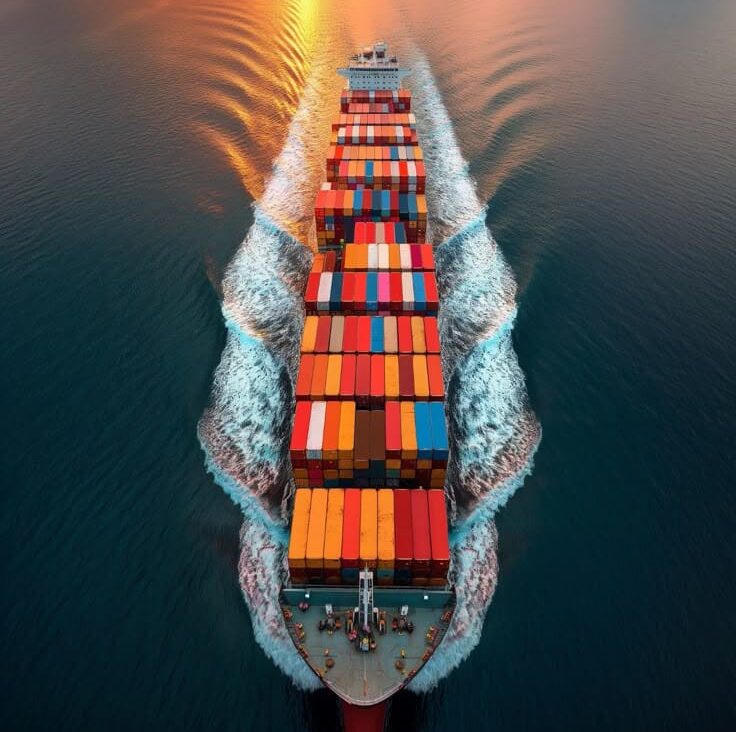
The global container shipping sector is entering the second half of 2025 under intensifying pressure, as slowing U.S. imports, mounting tariff challenges, and capacity oversupply begin to reshape the post-pandemic trade landscape. Despite earlier signs of resilience, the latest market dynamics point to growing volatility across key trade routes and port corridors.
According to the McCown Report, U.S. container imports fell by 7.3% year-on-year in June, marking the third consecutive monthly decline. Major ports across both the East and West coasts are experiencing softening throughput, signaling a broader cooling in global trade demand. Analysts view this decline as more than just seasonal variation, it is increasingly tied to macroeconomic stress, elevated inventory levels, and shifting global sourcing strategies.
Capacity Outpaces Demand, Pressuring Rates
While freight rates saw a temporary stabilization in early 2025, a persistent imbalance between vessel supply and demand remains a core concern. Over 2 million TEU in newbuild capacity is scheduled for delivery in the second half of the year, adding further strain to already fragile rate structures. Carriers are deploying blank sailings, slow steaming, and capacity withdrawals to restore equilibrium, but rate competition is gradually creeping back into the market.
Industry observers note that shipping lines are entering a phase of intense competition as they adapt to shrinking margins. The cost discipline seen during the peak disruption years is fading, replaced by aggressive moves to protect market share.
Tariffs and Trade Policy Shake Up Supply Chains
Another mounting pressure point is the evolving tariff environment. The reimposition of select U.S. import duties on Asian goods, along with hints of future escalations, is impacting buyer behavior. Importers are placing smaller, more cautious orders, and efforts to diversify sourcing locations have yet to fully mature. This cautious demand is reflected in port activity and freight bookings.
The uncertainty surrounding trade policy, inflationary trends, and potential retaliatory measures is complicating logistics planning, prompting a shift toward shorter-term contracts and more flexible routing strategies.
Margins Tighten for Carriers
The McCown Report also reveals a marked decline in profitability among leading container lines, with average net margins dropping below 10% in Q2 2025, a sharp contrast to the 40–50% margins seen during the industry’s pandemic-era peak. Compliance costs linked to fuel emissions regulations, coupled with high bunker prices, are further eroding earnings.
As pressure mounts, industry players are increasingly considering alliance restructures, service realignments, and digital investments to drive efficiency.
On-the-Ground Perspective: East African Viewpoint
Mr. Michael, a seasoned marine surveyor at Observater Surveys & Services Ltd., shared a regional perspective on how these global changes are being felt in African maritime corridors.
“We’re seeing a ripple effect in East African ports—delays in vessel arrivals, more idle containers, and exporters facing longer turnaround times. The volatility in global shipping is trickling down to port operations and logistics planning across the region,” said Michael. “What used to be predictable cycles are now fluid, and clients are increasingly relying on real-time data and risk-based inspections to stay competitive.”
Looking Ahead: Adaptive Strategies Required
As the traditional peak season approaches, the global shipping community is preparing for a cautious period marked by lower-than-average demand forecasts. With retailers in the U.S. and Europe still managing high inventory levels and shipping lines bracing for further cost pressures, the rest of 2025 is expected to test operational resilience across the sector.
Key areas to monitor include:
- Continued blank sailings and service suspensions
- Port congestion in alternate gateways due to re-routed cargo
- Accelerated diversification of supply chains
- Increased interest in regional and short-sea shipping solutions
While the near-term outlook presents challenges, it also offers opportunities for agile operators. Those investing in digitization, emissions compliance, and smarter logistics networks may emerge stronger in the evolving global trade ecosystem.
Contact: news@allinmaritime.com
Tel: +27 063 069 1191
Offices: Durban | Lagos | Abidjan | Dakar
All in Maritime News — Your Source for Maritime Intelligence
