

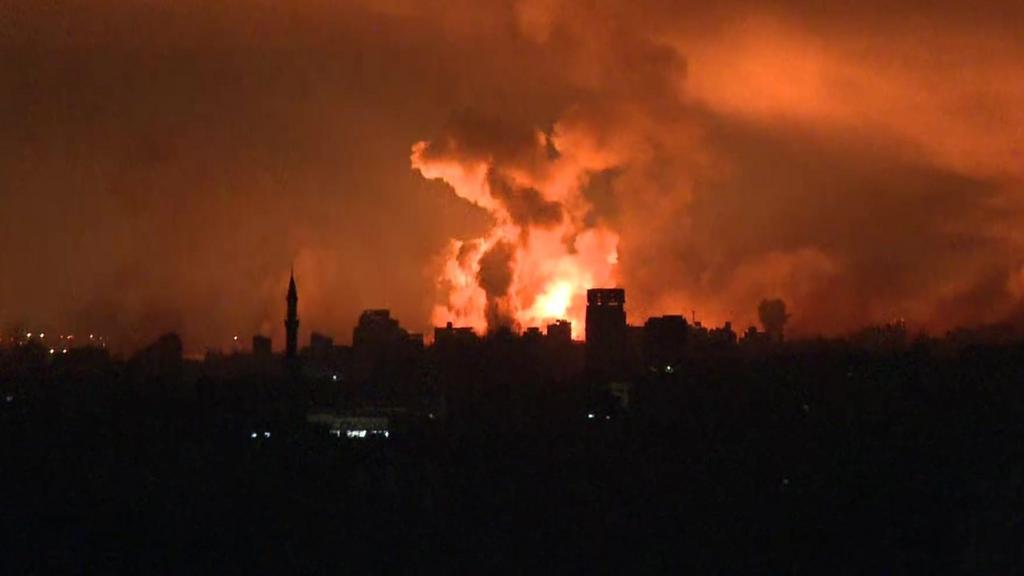
Ongoing geopolitical conflicts in the Middle East—most notably the Iran–Israel war—are now inflicting widespread impacts on international shipping. From vessel detentions and rerouting to undersea asset threats and electronic warfare, global maritime trade is fraught with heightened challenges that transcend regional borders.
Strait of Hormuz: A Volatile Chokepoint
Recent remarks by senior Iranian lawmakers confirm that the closure of the Strait of Hormuz remains a credible threat should foreign intervention escalate. Meanwhile, major energy companies have warned that such a move would severely impact global trade, particularly oil and containerized cargo flows.
Maritime authorities report a sharp rise in GPS and electronic navigation interference in the Gulf of Oman and the Strait of Hormuz. A recent collision between two oil tankers near the UAE’s Fujairah anchorage and widespread AIS (Automatic Identification System) jamming reflect the hazardous environment. Several shipping companies have already begun to reroute vessels away from the strait, citing unacceptable operational risks.
Red Sea and Subsea Infrastructure: New Frontlines in Maritime Conflict
Adding to the complexity, several unexplained outages and disruptions in subsea communication cables have been observed near the Red Sea and Eastern Mediterranean. These incidents suggest a growing threat to undersea assets, which are vital to global data flow and energy supply.
Elsewhere, reports of vessel detentions, unauthorized boardings, and suspicious approaches in the Gulf of Aden continue to raise alarm within the global maritime security community.
Security Warnings and Elevated Risk Protocols
The Joint Maritime Information Centre (JMIC) has raised its advisory level to “ELEVATED” for vessels operating in the Arabian Gulf, Gulf of Oman, and Northern Arabian Sea. Reports of navigation interference, particularly near Bandar Abbas, and incidents of GPS spoofing have heightened concerns among shipping lines and naval escorts.
Maritime security advisories from UK and allied naval forces now encourage ships to rely more heavily on radar and visual navigation and to maintain constant watch readiness, though no full withdrawal from the region has been advised.
Operational Impact on Surveying and Port Operations
Michael Robin, Senior Surveyor at Observater Surveys and Services Ltd, shared insight on how these conditions are affecting survey and cargo operations:
“We are operating in a new maritime risk landscape. Rerouted vessels, delayed schedules, and security holds are now common—especially along the East African corridor and Indian Ocean routes. Surveyors are being dispatched under increasingly difficult and regulated conditions, with higher scrutiny on cargo integrity and documentation.”
He added that demand for pre-discharge inspections, real-time reporting, and third-party verification has significantly risen across major ports handling diverted traffic.
Legal and Strategic Insight
Maritime law expert Mr. Jamal highlighted the contractual and legal implications of the unfolding crisis:
“Routine commercial voyages are now encountering conditions that resemble wartime operations. Detentions, diversions, and delays raise serious implications for charter party compliance, cargo liability, and insurance claims. Parties must urgently review war-risk clauses, rerouting provisions, and force majeure language in their shipping contracts.”
Rtd. Gen. Bramwel Oladejo, former Nigerian Navy commander and regional maritime strategist, stressed the need for coordinated African preparedness:
“This is not just a Middle Eastern crisis—it is a global maritime security issue. Africa’s ports and coastal infrastructure are now receiving redirected vessels and trade flows. Without robust surveillance, naval readiness, and port security protocols, we risk becoming the next vulnerability point in this unfolding conflict.”
He called on African maritime agencies to operationalize existing frameworks like the Yaoundé Code of Conduct and build stronger regional intelligence-sharing networks.
Industry-Wide Repercussions
- Shipowners and charterers are facing longer voyages, higher fuel and insurance costs, and complex risk planning.
- Insurers are increasing war-risk premiums and tightening coverage for vessels operating in high-risk waters.
- Port authorities in Africa, the Mediterranean, and South Asia are dealing with new operational pressures as rerouted cargo increases port congestion.
- Surveyors and marine inspectors are operating under more stringent protocols to ensure cargo condition, documentation compliance, and transit risk assessment.
- Shippers and logistics providers are seeing schedule uncertainty, route volatility, and contractual ambiguity around delivery performance and penalties.
Outlook: Continued Risk and Operational Caution into Q3 2025
With no signs of immediate de-escalation in the Iran–Israel conflict, maritime operators are expected to maintain high-alert protocols through Q3 2025. Strategic route planning now requires careful consideration of political developments, port readiness, and real-time intelligence. Analysts urge all stakeholders to incorporate flexibility in voyage planning, build buffer times into contracts, and maintain close coordination with port state authorities.
The nature of modern maritime conflict has evolved—blending cyber interference, subsea sabotage, legal ambiguity, and physical threat. For global shipping, security is no longer a passive compliance matter—it is an essential component of operational continuity and commercial viability.
For authoritative news and analysis on global maritime security and logistics trends, stay with All in Maritime News.
Contact: news@allinmaritime.com | Tel: +27 063 069 1191
Offices: Durban | Dar es Salaam | Nairobi | Dubai
Website: www.allinmaritime.com
All in Maritime News – Your Source for Global Maritime Intelligence
