

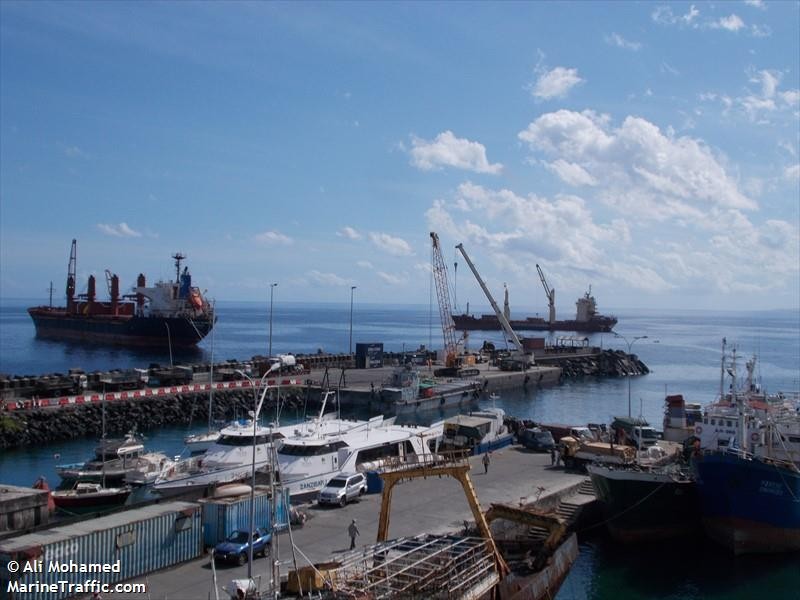
In the July 2025 edition of Clarksons World Fleet Monitor, Comoros was identified as Africa’s second-largest ship registry, following Liberia, with its fleet expanding by over 250% this year—a striking indicator of shifting registry dynamics across the continent.
This unprecedented growth marks a major leap for the island nation, placing it ahead of more established African registries and signaling a broader trend of open registries gaining ground amid tightening global regulations and geopolitical sanctions. The surge positions Comoros just behind Liberia and far above countries like São Tomé and Equatorial Guinea, whose registries have seen only modest changes.
The implications of this rise are significant for the world’s major ship-owning nations, including Greece, Japan, China, Germany, Singapore, and South Korea. Traditionally, owners from these countries have relied on reputable open registers such as Panama, Liberia, and the Marshall Islands. However, with Comoros expanding its flag capacity at such speed, these owners may face added regulatory scrutiny, especially in regions with stricter Port State Control regimes.
Shipping companies are likely to encounter greater due diligence requirements when flagging vessels. There is increasing concern over safety standards, environmental compliance, and seafarer welfare under lesser-known registries. Insurers and financiers may also adjust premiums or credit ratings based on perceived flag risk, potentially making Comoros-flagged vessels costlier to operate in high-compliance zones.
European shipowners in particular may find themselves caught between cost efficiencies and reputational risks, especially as EU maritime authorities continue to emphasize ESG compliance and traceability. In addition, Comoros’s registry has in the past been associated with safety issues and a lack of robust enforcement mechanisms—an area that would need clear improvements if the nation is to maintain its registry credibility over time.
The surge in Comoros-flagged ships also mirrors the growing influence of what analysts are calling the “shadow fleet”—vessels that operate outside of established regulatory and financial oversight. As sanctions regimes become more complex, especially around oil and commodity trades, more operators are seeking flexible or loosely monitored registries. While this offers operational leeway, it could also expose shipowners to enforcement action if due diligence is not thorough.
Within Africa, Comoros’s rapid ascent may prompt increased regional coordination on registry governance. Some maritime stakeholders have begun advocating for a more unified continental approach to ship flagging that balances economic opportunity with compliance credibility. If properly managed, this could elevate the role of African nations in global shipping governance and offer a structured alternative to traditional flag-of-convenience models.
According to Clarksons’ analysis, Comoros is not alone. Other small registries such as Guinea-Bissau and Sierra Leone have also recorded over 100% growth in fleet size. However, Comoros stands out due to the sheer volume of vessels it has taken on in a short span, bringing it into closer focus for regulators, classification societies, and global shipping networks.
As the registry landscape evolves and pressure mounts for higher environmental and labor standards, leading ship-owning nations may need to revisit internal flagging policies, while regional bodies across Africa may have a unique opportunity to shape the next phase of open registry development.
All In Maritime will continue to monitor the impact of Comoros’s rise and report on how registry choices are influencing compliance, competitiveness, and regional policy across the maritime sector.
Stay with us for verified, expert, and on-the-ground maritime journalism.
Contact: news@allinmaritime.com
Tel: +27 063 069 1191
Offices: Durban | Lagos | Abidjan | Dakar
All in Maritime News — Your Source for Maritime Intelligence
